
Enhancing Roof Wind Resistance in Cape Coral: A Homeowner's Guide
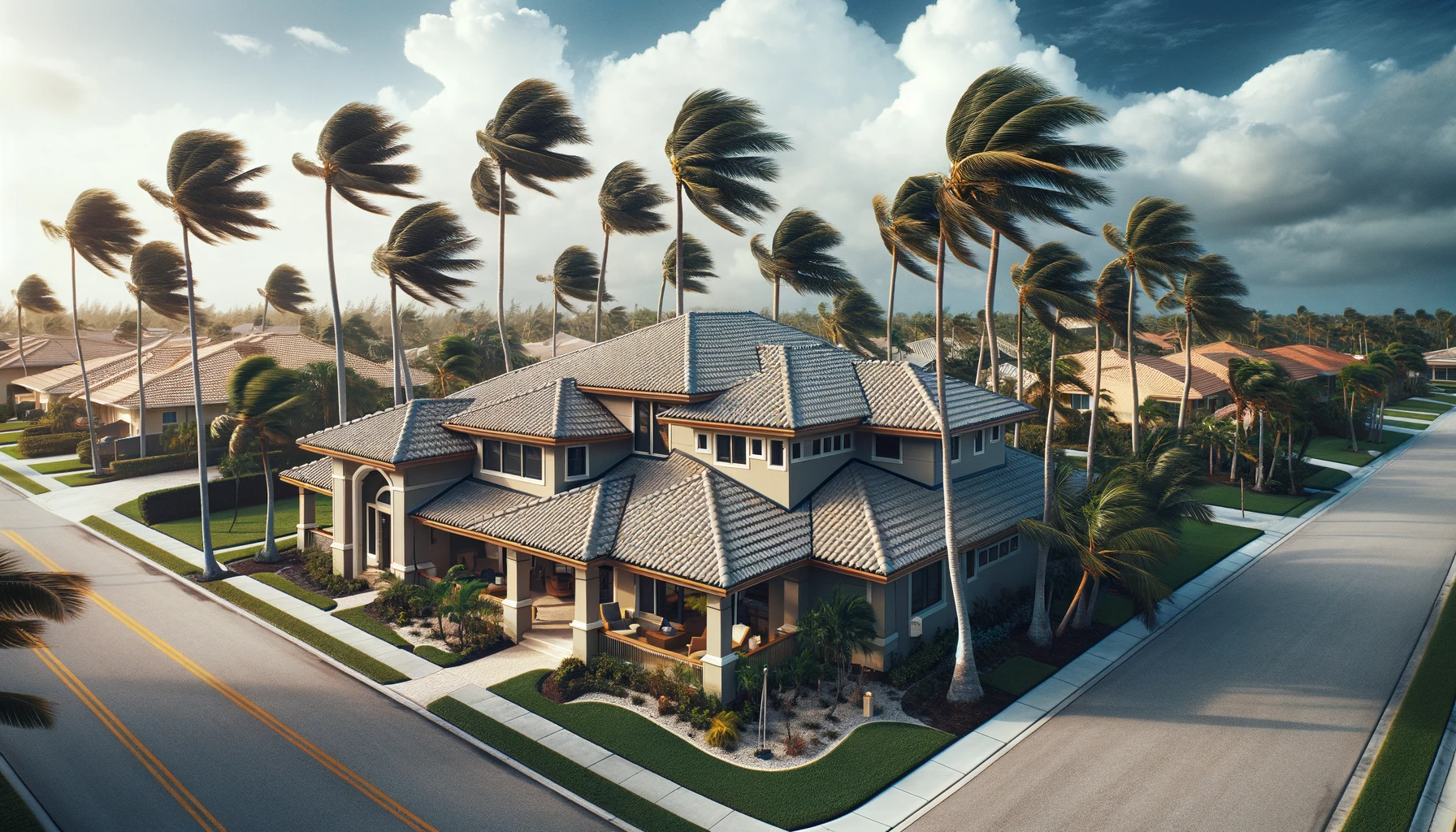
Living in Cape Coral, Florida, residents are no strangers to the challenges posed by the area's unique weather conditions, particularly the strong winds that can accompany tropical storms and hurricanes. As such, ensuring that your home's roof is designed to withstand these forces is not just a matter of maintaining property aesthetics but is crucial for safety and long-term durability. This blog will explore various aspects of wind-resistant roofing, a key area of expertise for Four Peaks Roofing.
Understanding Wind Resistance in Roofing
The concept of wind-resistant roofing encompasses more than just the strength of the materials used. It involves a comprehensive approach that includes the design, installation, and maintenance of the roofing system. A wind-resistant roof is designed to withstand the uplift and pressure caused by high winds, thereby protecting the structure and interior of the home from damage.
Key Features of Wind-Resistant Roofs
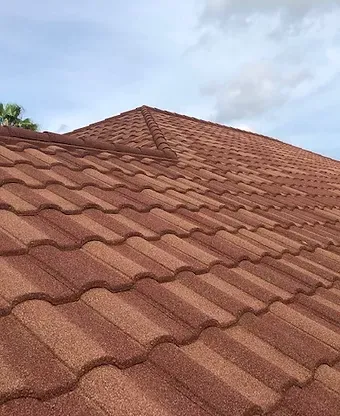
- Material Selection: Heavy-duty materials like asphalt shingles, metal roofing, or specially designed wind-resistant shingles are often preferred. These materials have a higher wind rating, which means they can withstand higher wind speeds without breaking or becoming dislodged.
- Installation Techniques: Proper installation is crucial. This includes using enough nails per shingle, using stronger nails, and ensuring that the nailing pattern is designed to maximize holding power.
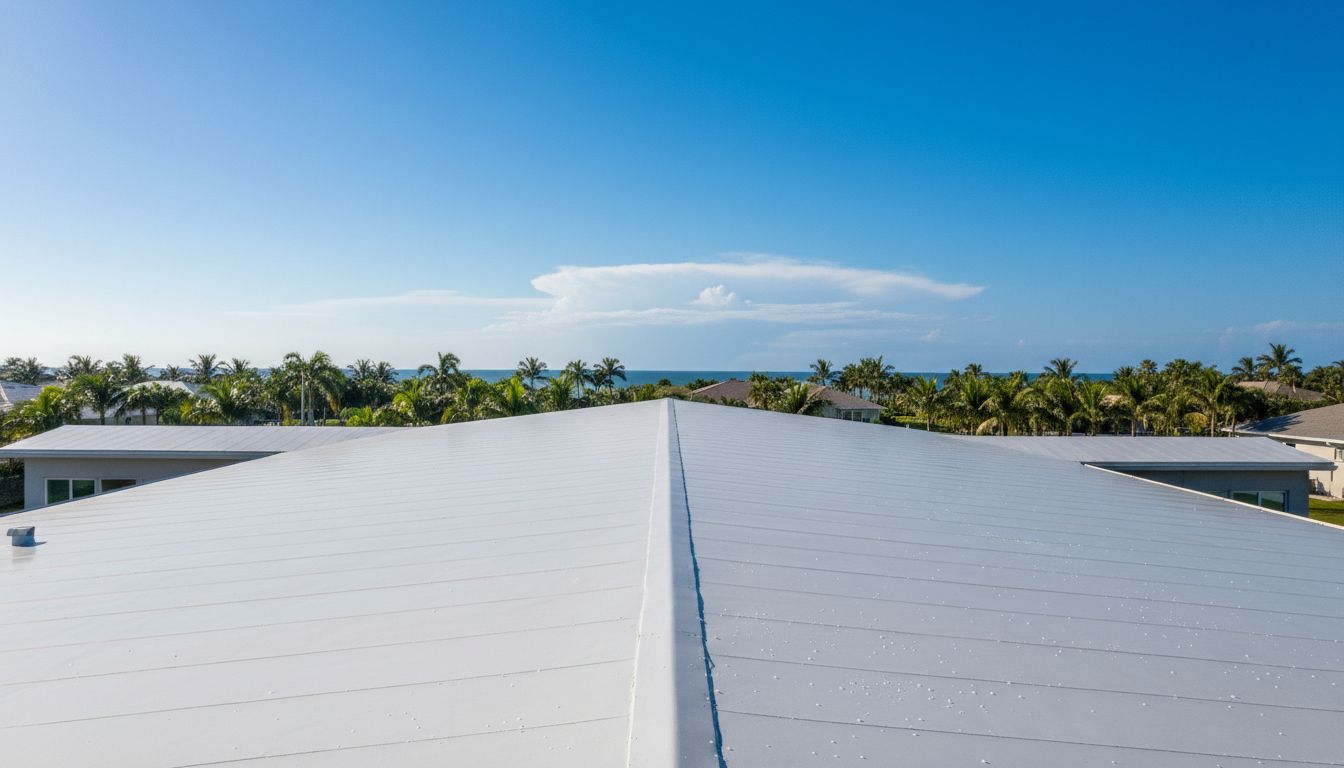
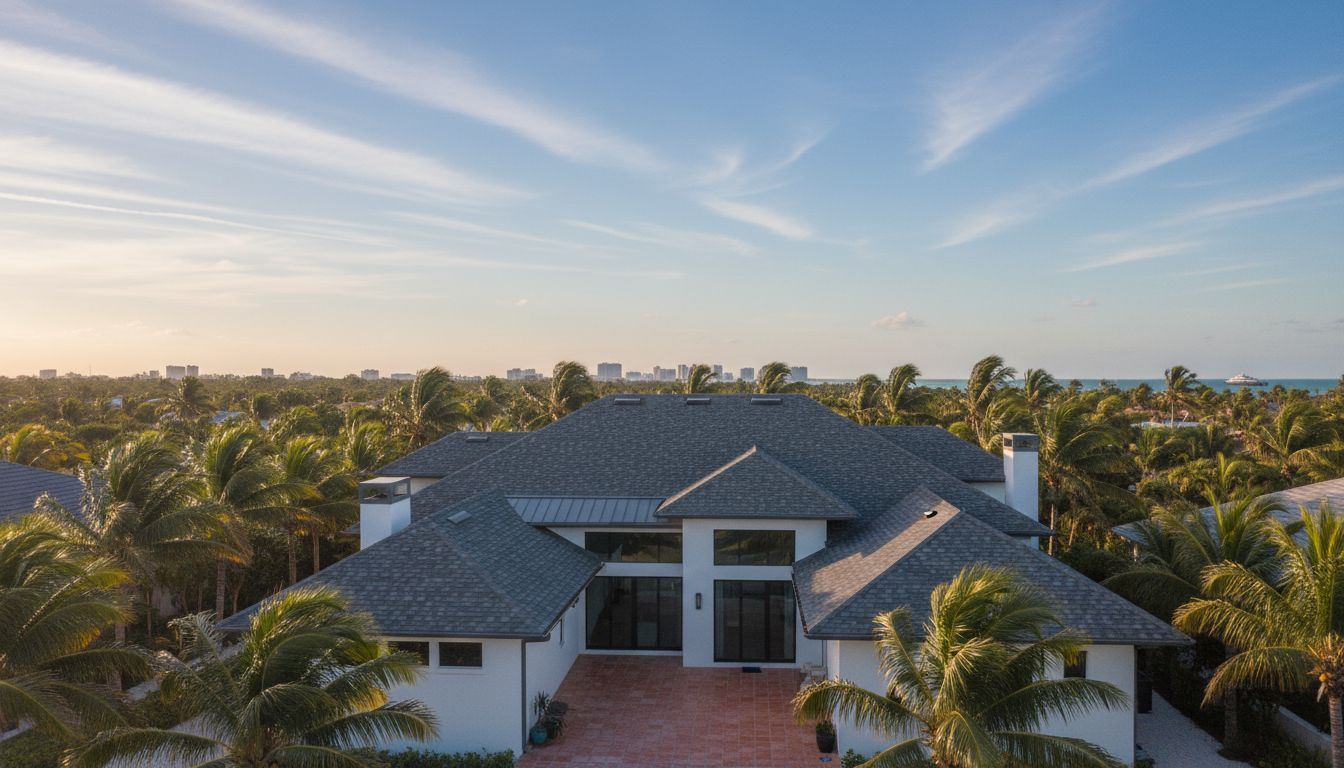
- Roof Shape and Design: The shape of your roof also plays a significant role in its wind resistance. Hip roofs (slopes on all four sides) are generally more wind-resistant than gable roofs (with two sloping sides and two flat ends) because they offer less wind resistance.
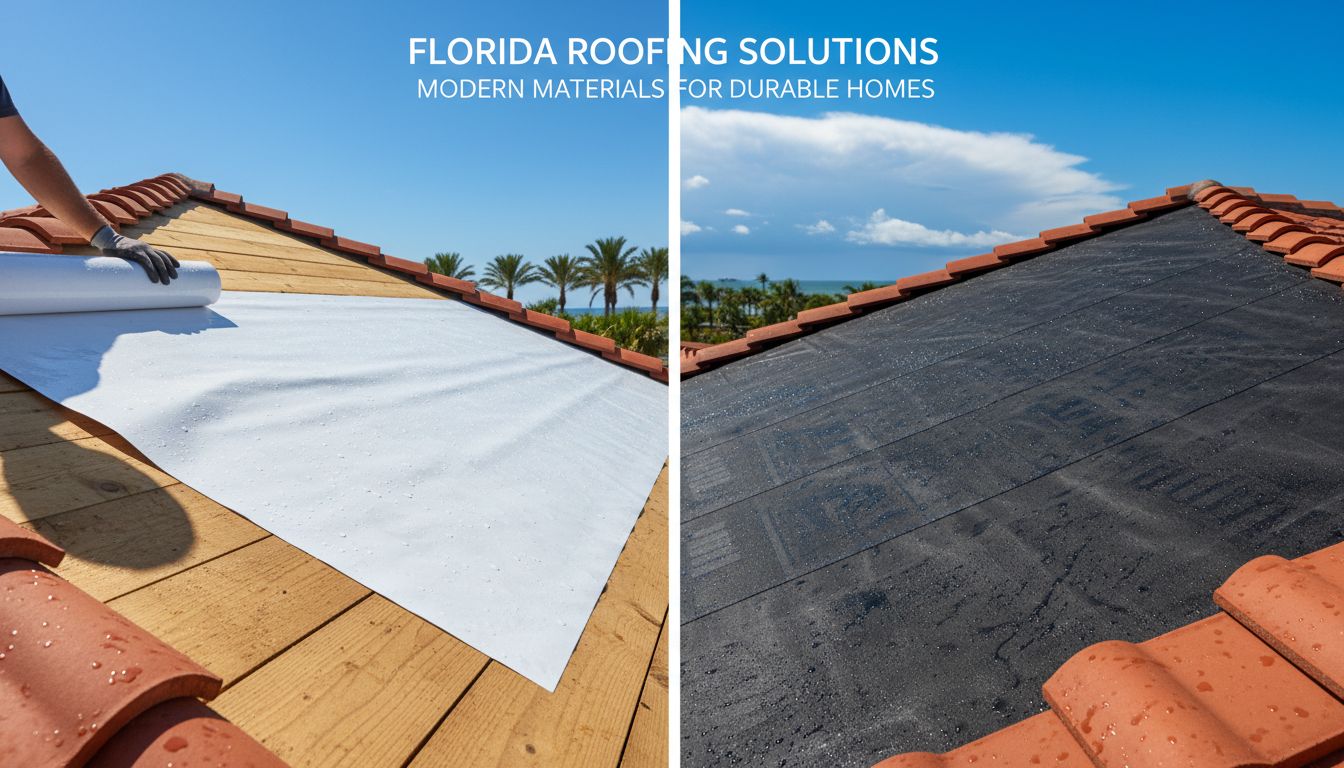
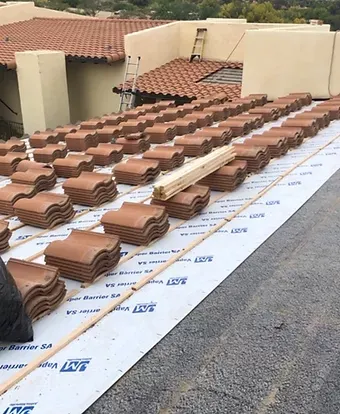
- Roof Decking and Underlayment: A strong roof deck, coupled with a high-quality underlayment, can provide an additional layer of protection. The underlayment acts as a secondary barrier against water infiltration in case the outer roofing material is compromised.
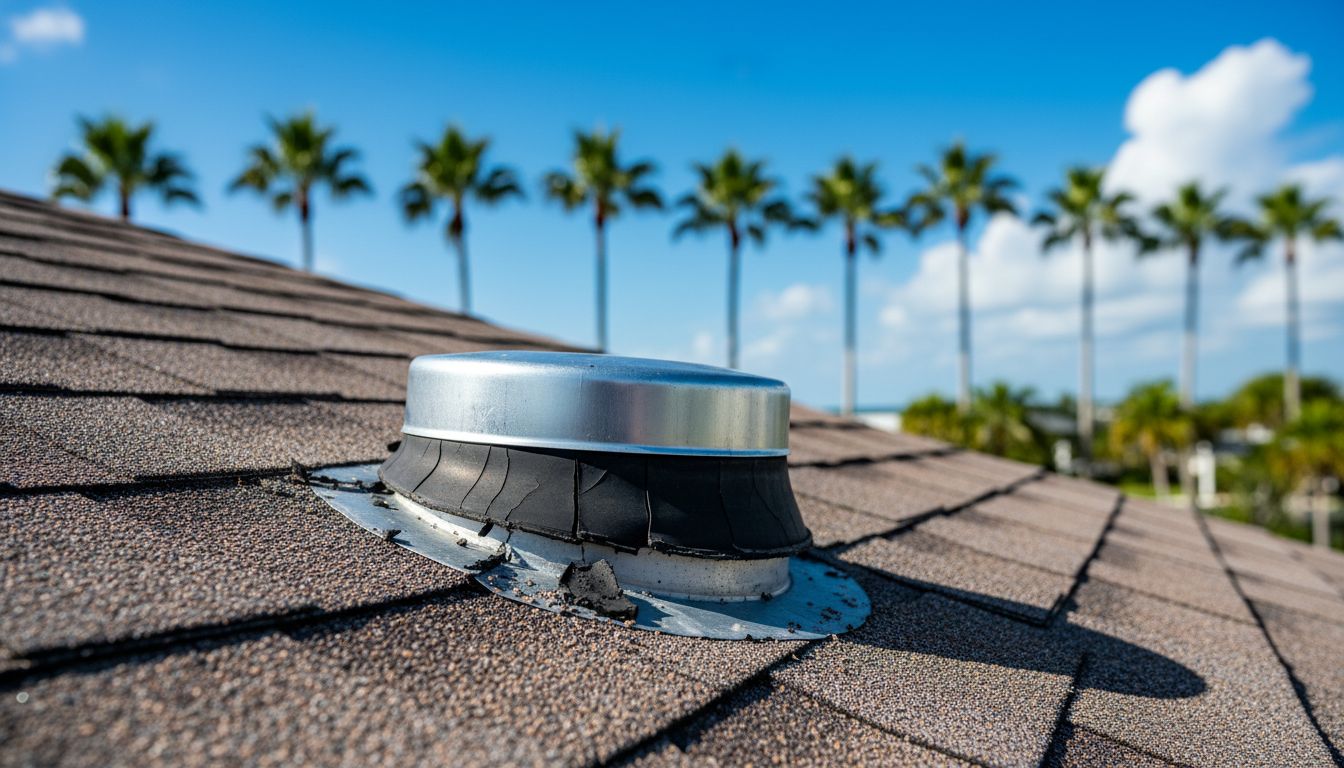
- Roofing Add-ons: Features like ridge vents, which allow air to flow naturally under the roof, can also help reduce the pressure that contributes to wind damage.
The Importance of Professional Installation
The role of a skilled roofing contractor cannot be overstated when it comes to installing a wind-resistant roof. Four Peaks Roofing professionals understand the specific requirements of Cape Coral's building codes and weather patterns. Their expertise ensures that your roof is not only compliant with local regulations but also provides the best possible protection against high winds.
Maintenance: A Key to Longevity
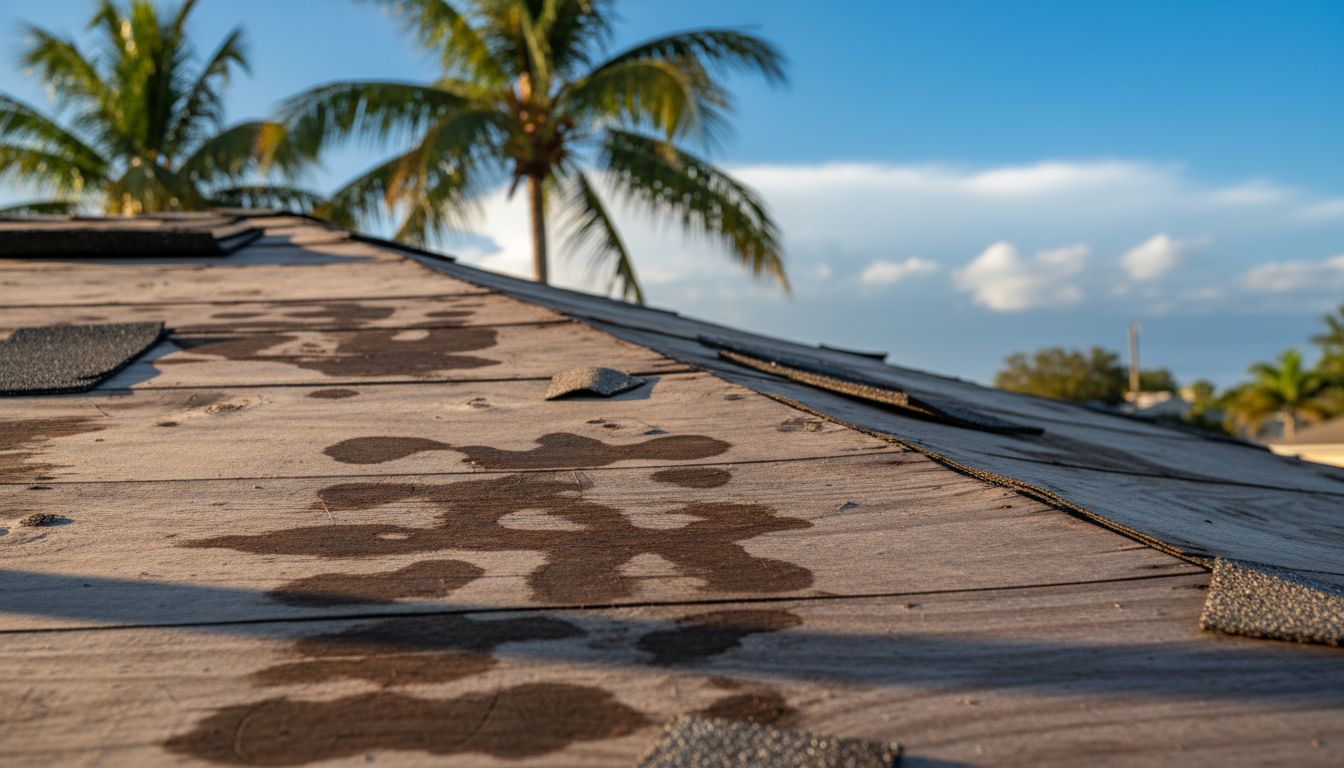
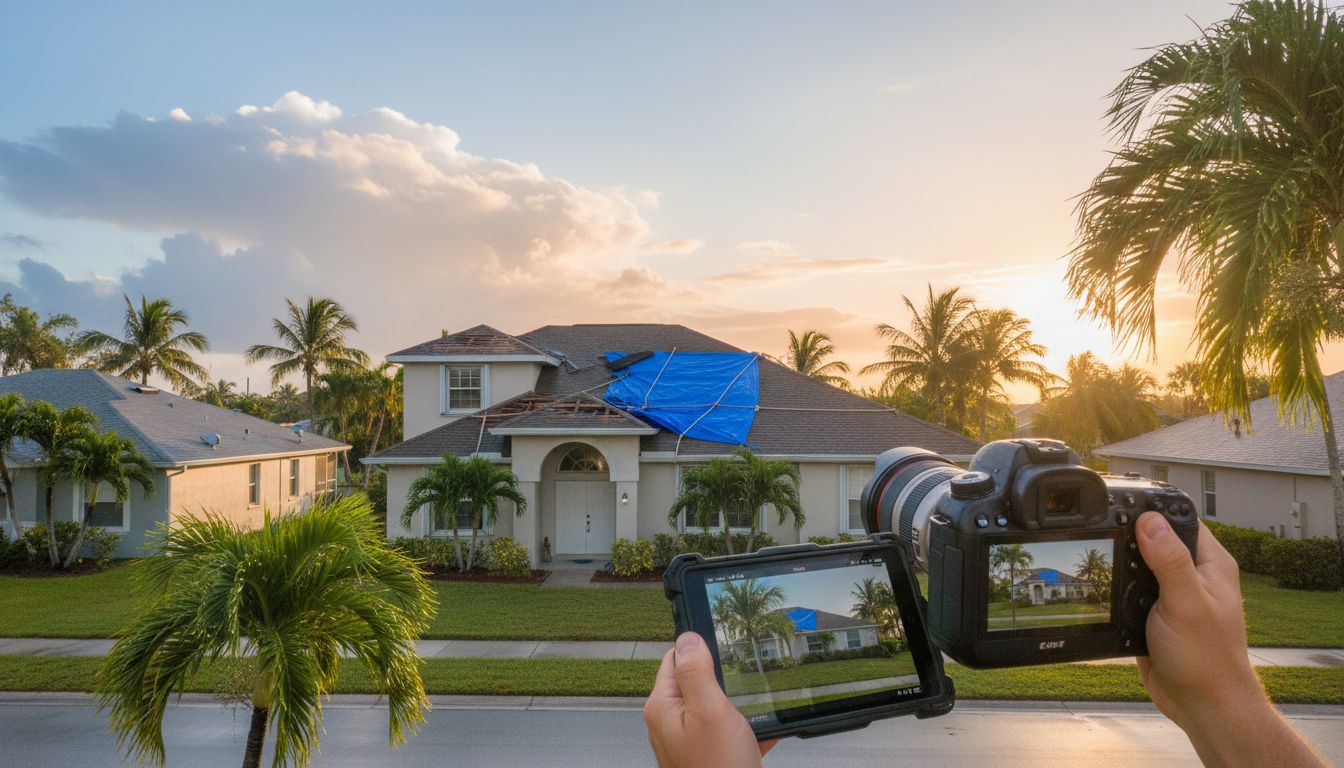
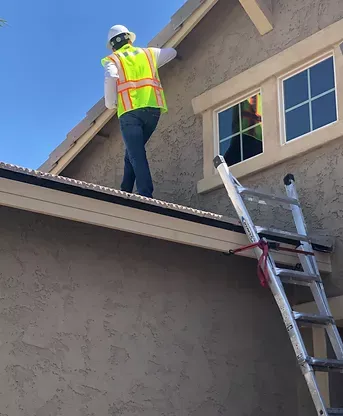
Regular maintenance is vital for ensuring the ongoing effectiveness of a wind-resistant roof. This includes routine inspections, particularly after severe weather events, to identify and repair any damage that might compromise the roof's integrity.
Financial and Safety Benefits
Investing in a wind-resistant roof can have significant financial benefits. It can reduce the need for costly repairs after storms and can even lower insurance premiums due to the decreased risk of wind damage. More importantly, a wind-resistant roof provides peace of mind, knowing that your home is better equipped to protect you and your family during harsh weather conditions.
Tailoring Solutions to Individual Homes
No two homes are exactly alike, and neither are their roofing needs. At Four Peaks Roofing, we understand this and offer tailored solutions. Whether you are building a new home or upgrading your existing roof, we provide personalized advice and services to meet your specific needs.
Staying Ahead of the Weather
In Cape Coral, where weather conditions can change rapidly, having a roof that can withstand the elements is not just a convenience; it's a necessity. At Four Peaks Roofing, we stay ahead of the curve, continuously educating ourselves on the latest advancements in wind-resistant roofing technologies and techniques.
Conclusion
Your roof is your first line of defense against the elements. In a place like Cape Coral, ensuring that this defense is as strong as possible is essential. With Four Peaks Roofing, you can be confident that your roof is built to withstand the challenges posed by the local climate, providing you with security, durability, and peace of mind.