
Wind-Lifted Shingles in Cape Coral, How to Spot Them and What to Do Next
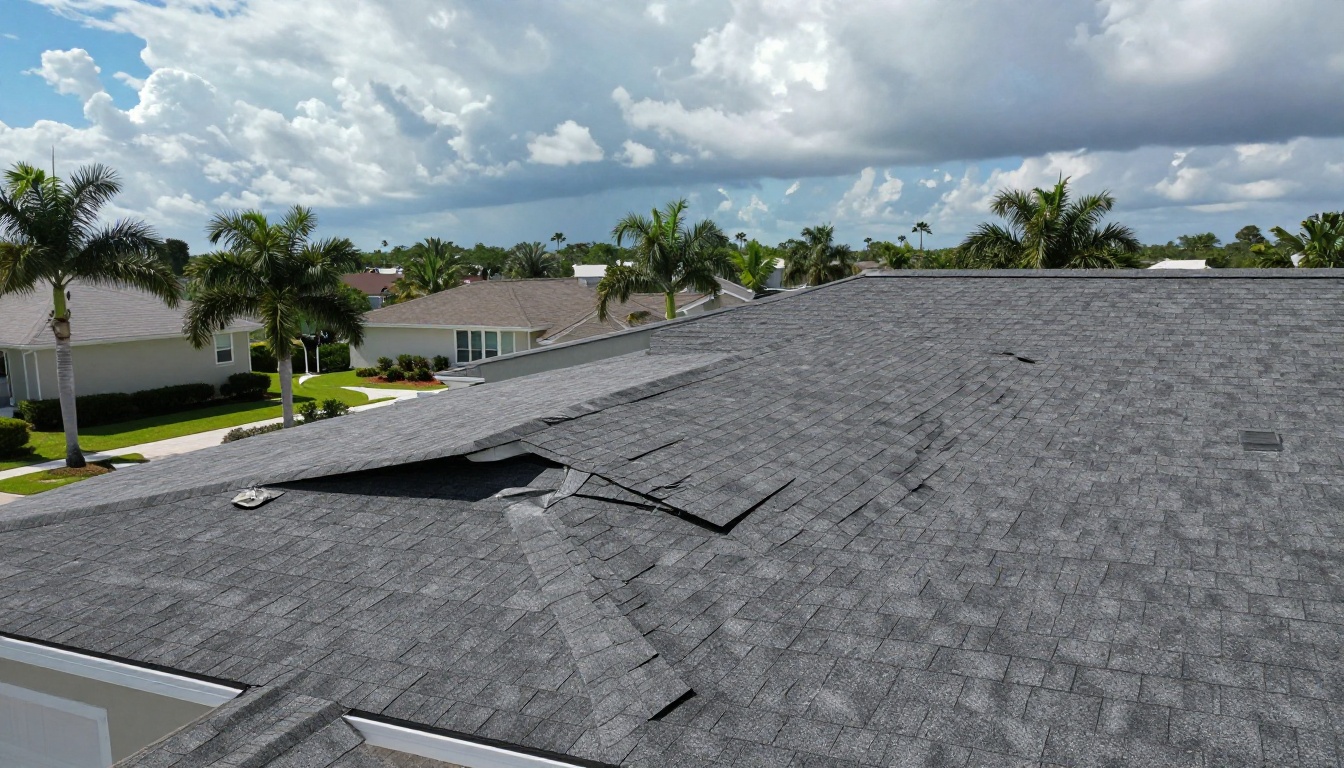
After a windy night in Cape Coral, your roof can look normal from the driveway and still be compromised. Wind lifted shingles don’t always tear off and land in the yard. Sometimes they lift just enough to break the seal, letting wind-driven rain sneak underneath like water under a loose bandage.
If you’ve got an architectural asphalt shingle roof (common across Southwest Florida), quick action matters. The sooner you document what happened and get a professional roof inspection , the better your odds of avoiding hidden leaks, rotten decking, and surprise repairs later.
Why wind lifted shingles are so common in Cape Coral
Cape Coral roofs take a regular beating. Summer squalls, tropical storms, and hurricane season (June through November) bring the kind of gusts that exploit tiny weaknesses, a lifted corner, a failed seal strip, a nail that backed out, or aging shingles that got brittle under the sun.
Wind damage often starts at the edges. Rakes, eaves, ridges, and roof transitions catch airflow, and once the wind gets under one shingle tab, it can “zip” across a row. That’s why wind lifted shingles often show up in clusters, not as one lonely shingle.
It also isn’t just about wind speed. Direction, gust patterns, and pressure changes around your home matter. Wind can push against one side of the house, then create suction on the other side. That suction is what tries to peel shingles up and away.
Age plays a role too. A newer roof has stronger adhesive seals and more flexible asphalt. An older roof has seals that can fail, especially after repeated heat cycles. If your roof is already near the end of its service life, a storm can turn “still okay” into “now it leaks.”
If you want to reduce the odds before the next storm, review hurricane season roof preparation tips and handle small issues before they become storm entry points.
How to spot wind-lifted shingles without risking your safety
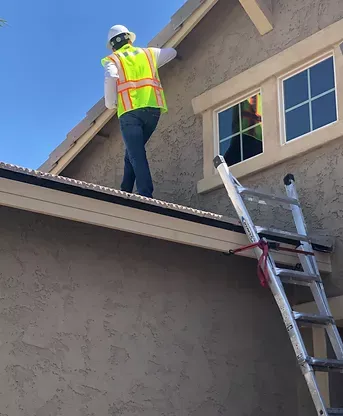
Start with a safety rule that saves injuries every year: don’t climb onto a steep, wet, or sun-baked roof . In Cape Coral heat, shingles can get slick and soft, and a fall can happen fast. Instead, do a ground-level check with binoculars, then call a licensed pro if anything looks off.
What wind-lifted shingles look like
From the ground, look for shingles that appear:
- slightly raised at the corner or along the leading edge
- uneven or “wavy” compared to the surrounding pattern
- shadowed lines where a tab isn’t lying flat
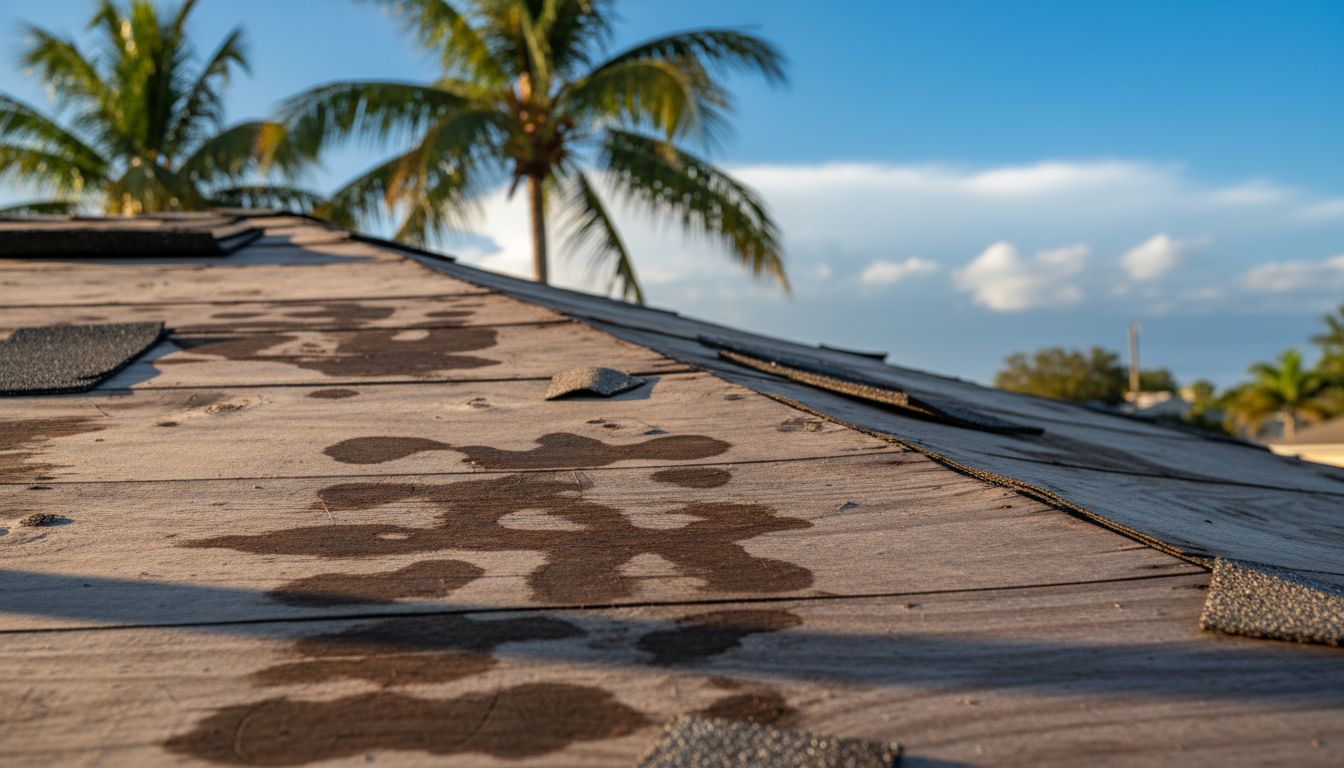
- missing granules or scuffed spots where tabs flapped
If you can safely see the roof edge, check for lifted starter shingles. Also scan ridge caps. Ridge damage can be subtle, but it’s a common leak path in strong gusts.
Clues that show up off the roof
Your yard can tell a story. After a blow, look for:
- shingle granules piling at downspout exits
- small black asphalt strips, or fragments in landscaping
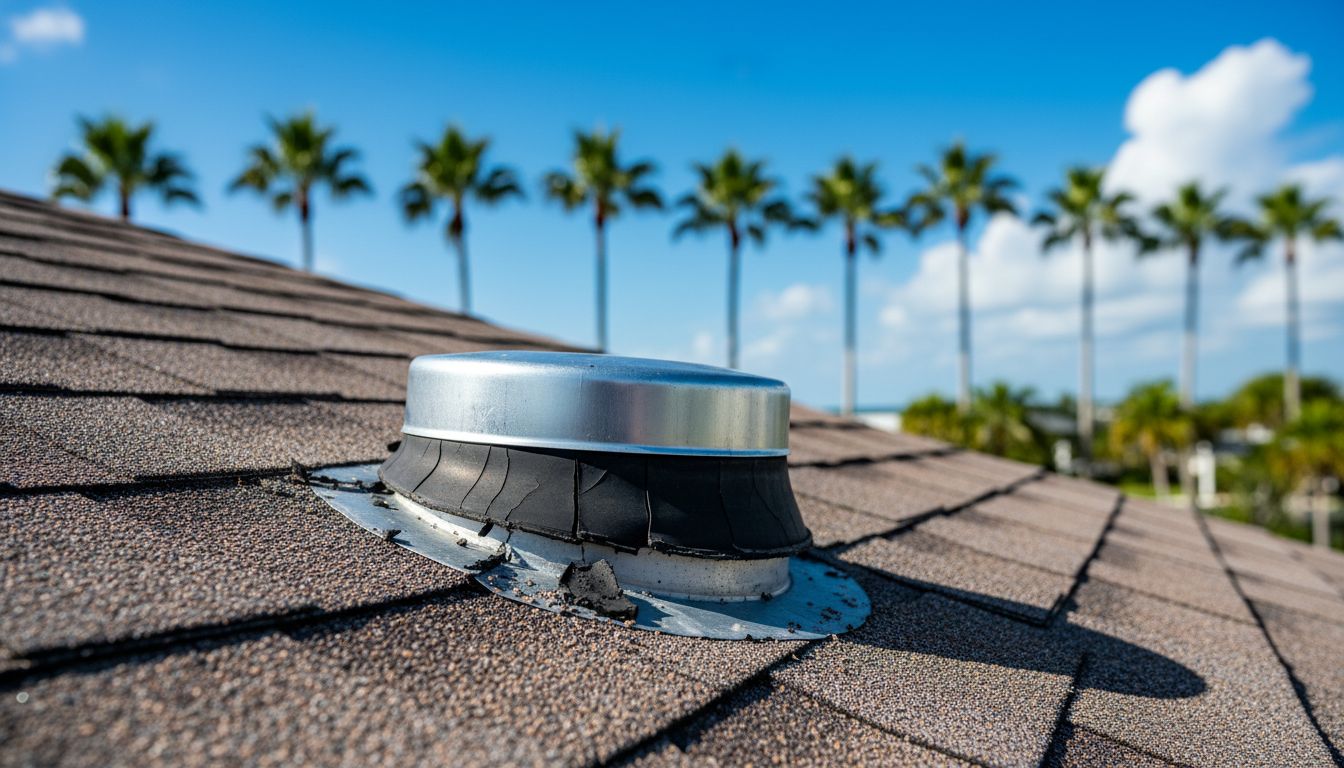
- bent gutters, dented vents, or displaced flashing
- water stains on soffit and fascia
Inside, do a quick attic peek (from a stable ladder, not by walking joists). Look for damp insulation, staining, or the smell of musty moisture. For a helpful general overview of what to check after storms, see how to check your Southwest Florida roof for storm damage.
When it’s time to stop and call a roofer
If you see lifted tabs, missing shingles, exposed underlayment, or active leaks, don’t “test” shingles by pulling on them. That can cause more damage and complicate repairs. A local roofer can confirm whether the seal is broken, whether nails have popped, and whether the underlayment or decking took on water.
For Cape Coral-specific guidance on why a professional inspection matters, review Cape Coral roof inspection importance.
What to do next in the first 24 to 72 hours
The first few days after a storm are about limiting water intrusion, documenting what happened, and getting qualified help before small openings turn into rot and mold.
Post-storm action checklist (simple, homeowner-safe)
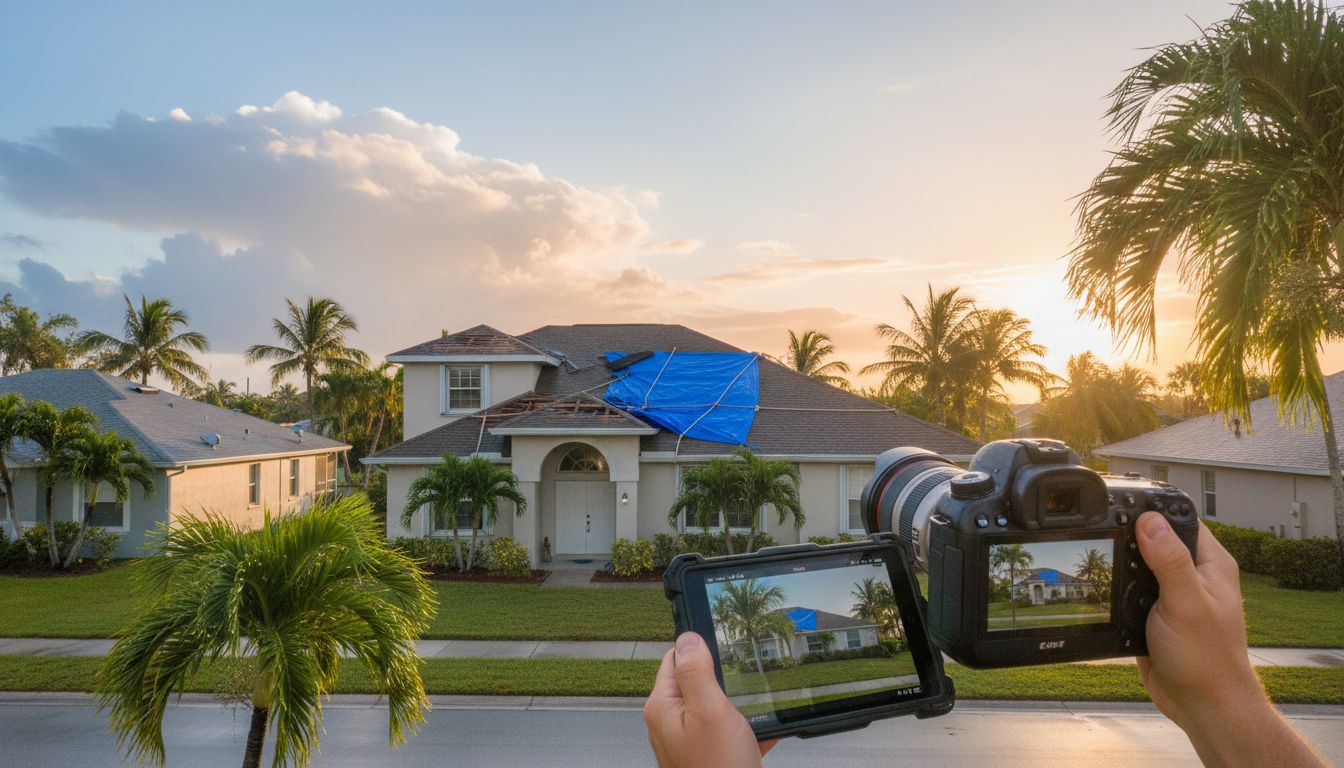
- Take wide photos of each roof slope from the ground, then close-ups with zoom.
- Photograph damage to gutters, soffit, vents, fences, and screens.
- Save weather alerts, news screenshots, or local reports from the storm window.
- Walk the perimeter and pick up shingle debris (save pieces in a bag).
- Check ceilings, window tops, and around skylights for stains or bubbling paint.
- Put a bucket under drips, move valuables away, and note the time you saw water.
- Avoid DIY tarping unless you can do it safely from a ladder and calm conditions.
- Schedule a professional roof inspection and ask for written findings with photos.
If you need immediate help with active leaks or storm-created openings, start with professional roof repair services in Cape Coral.
A practical 24 to 72 hour timeline
First 24 hours: Focus on safety and documentation. If water is entering the home, minimize interior damage and call a roofing company that handles storm-response repairs. Ask whether they’re licensed and insured in Florida, and confirm they’ll provide a written estimate.
24 to 48 hours: Get your inspection scheduled. Share photos and notes with your insurer if you’re filing a claim, and ask what documentation they need. Coverage varies by policy and deductible, so don’t assume the outcome. Keep receipts for any emergency mitigation you pay for.
48 to 72 hours: Compare options. Get multiple written estimates, and make sure each one states the scope clearly (what gets replaced, what gets re-sealed, and what gets replaced around vents, flashing, and ridges). If a contractor pressures you to sign immediately, that’s a red flag.
For additional context on common wind damage patterns in Florida shingles, read identifying wind damage to roof shingles in Florida.
When repairs are enough, and when it’s roof replacement time
Some wind lifted shingles can be addressed with targeted repair, but not all. Resealing might be possible when the shingle is still intact, the mat isn’t creased, and the surrounding field is in good shape. If the shingle is creased (a visible bend line), it often won’t lay flat long-term.
A broader roof replacement conversation usually starts when damage is widespread, the roof is aging, or the underlayment was exposed. The right solution depends on your roof system:
- A tile roof can have slipped or cracked tiles, and broken pieces can hide at valleys and hips.
- A standing seam metal roof can loosen at fasteners or trim details, and wind can stress edges and flashings.
- A stone coated steel roof is tough, but edge conditions and flashing still matter in storms.
- A flat roof often fails at seams, drains, and penetrations, not in the field itself.
- A commercial roof may need moisture scans or core samples to confirm trapped water, depending on the assembly.
A qualified, licensed Florida roofer should explain the “why,” not just the price.
Quick FAQ for Cape Coral homeowners
Can lifted shingles be resealed?
Sometimes. If the shingle isn’t creased and the adhesive line can bond again, a pro may reseal it. If it’s torn, creased, or the area is large, replacement shingles or a larger repair is usually safer.
Will insurance cover wind-lifted shingles?
It depends on your policy, deductibles, exclusions, and the cause of loss. Document everything, follow your insurer’s process, and keep your guidance general until you have their decision.
How long can it wait?
Not long. A lifted edge can let wind-driven rain in during the next storm. Even if you don’t see a leak today, moisture can soak decking and insulation quietly.
How do I avoid storm-chaser scams?
Don’t sign under pressure. Verify Florida licensing and insurance, get multiple written estimates, and avoid anyone who promises a claim outcome or asks for large upfront cash before work starts.
Protect your home before the next gust
Wind lifted shingles are easy to miss and expensive to ignore. A careful ground check, good photos, and a prompt professional inspection can stop a small lift from turning into a big leak. If you’re unsure what you’re seeing, get a licensed, insured Cape Coral roofer to confirm the damage and put the right repair plan in writing. The next storm shouldn’t be the one that finds your roof’s weak spot.