
Florida Roof Permits in Lee and Collier County, What Homeowners Should Expect (timelines, inspections, common delays)

A florida roof permit can feel like the paperwork standing between you and a dry living room. In Lee and Collier County, it’s also the system that proves your new roof meets today’s wind rules and gets documented for future buyers, insurers, and lenders.
If you’re planning a roof replacement after a storm, or you’ve got an older roof that’s simply worn out, the permit process is part of the job. The good news is it’s predictable once you know the steps, the inspection points, and the usual causes of delays.
Exact requirements can change by county, city, and code cycle, so always confirm details with the local building department before work starts.
What a Florida roof permit covers in Lee and Collier County (and why it matters)
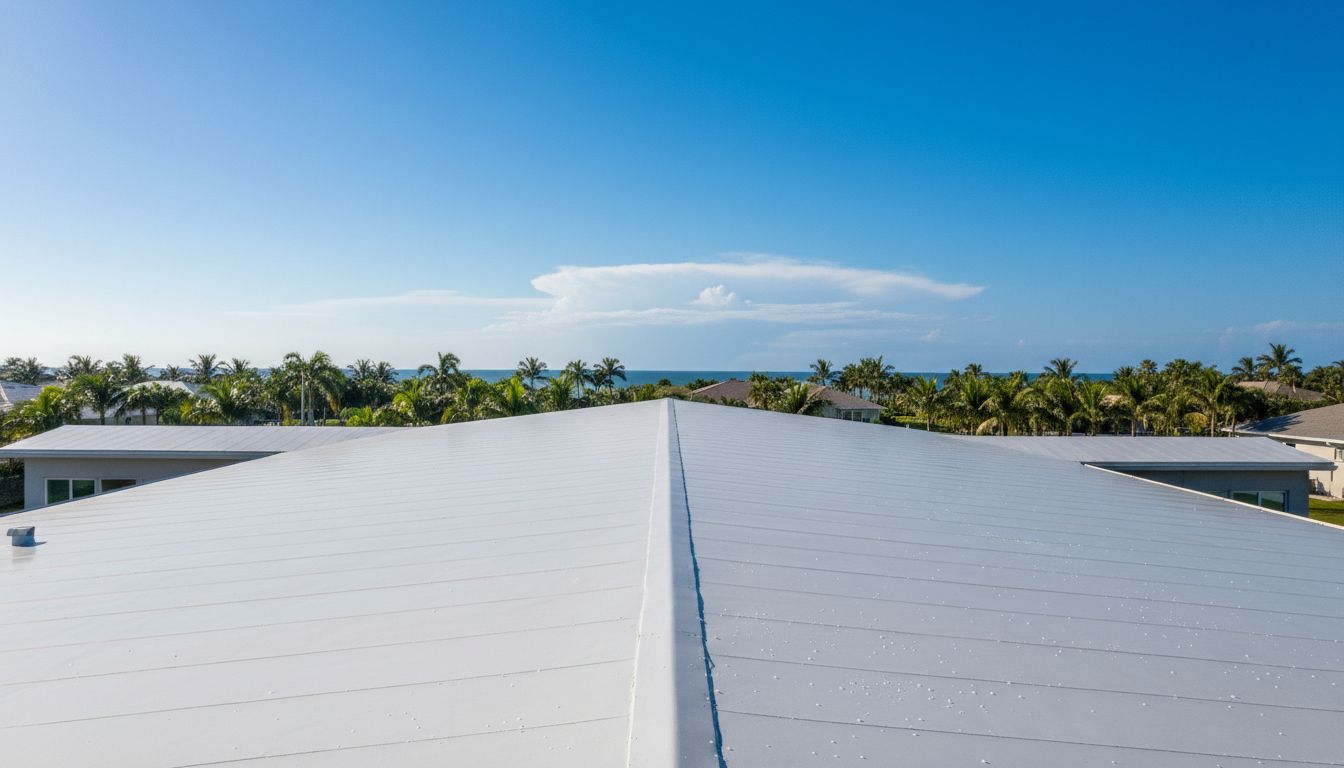
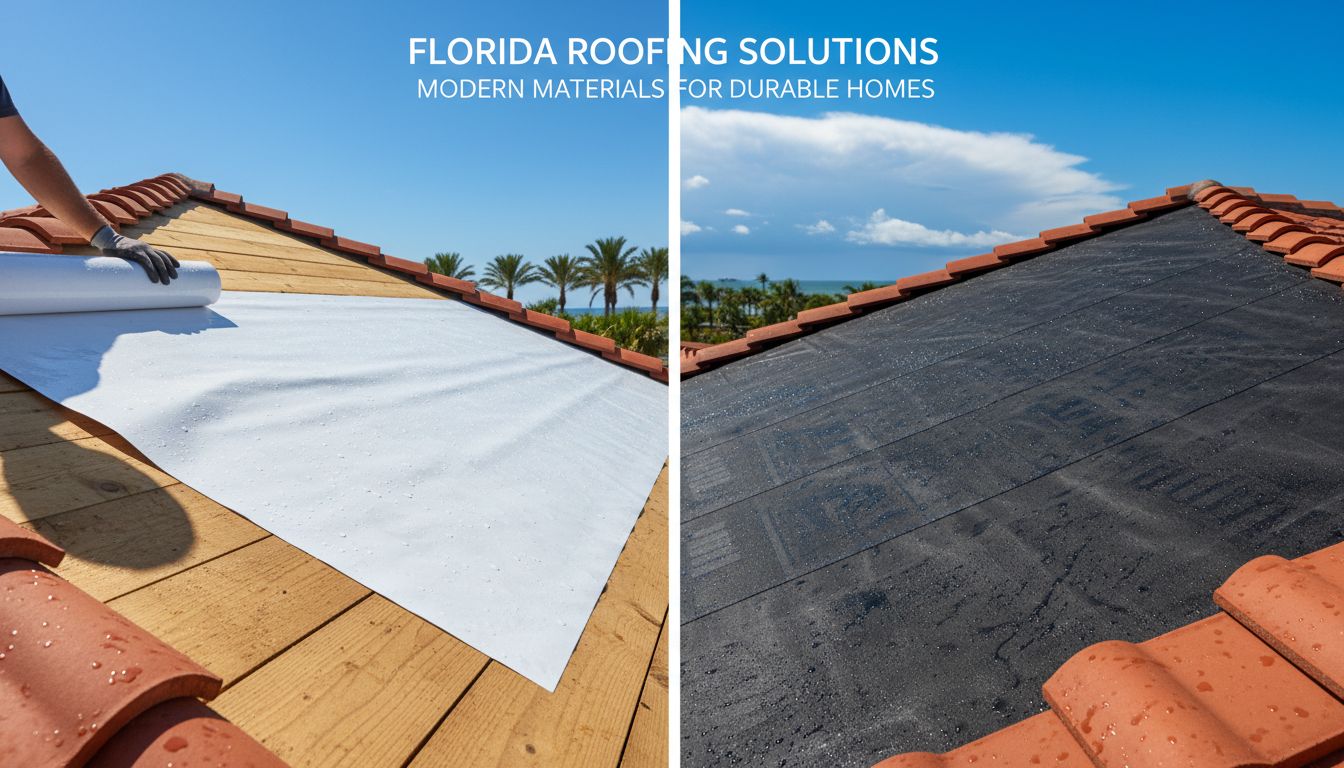
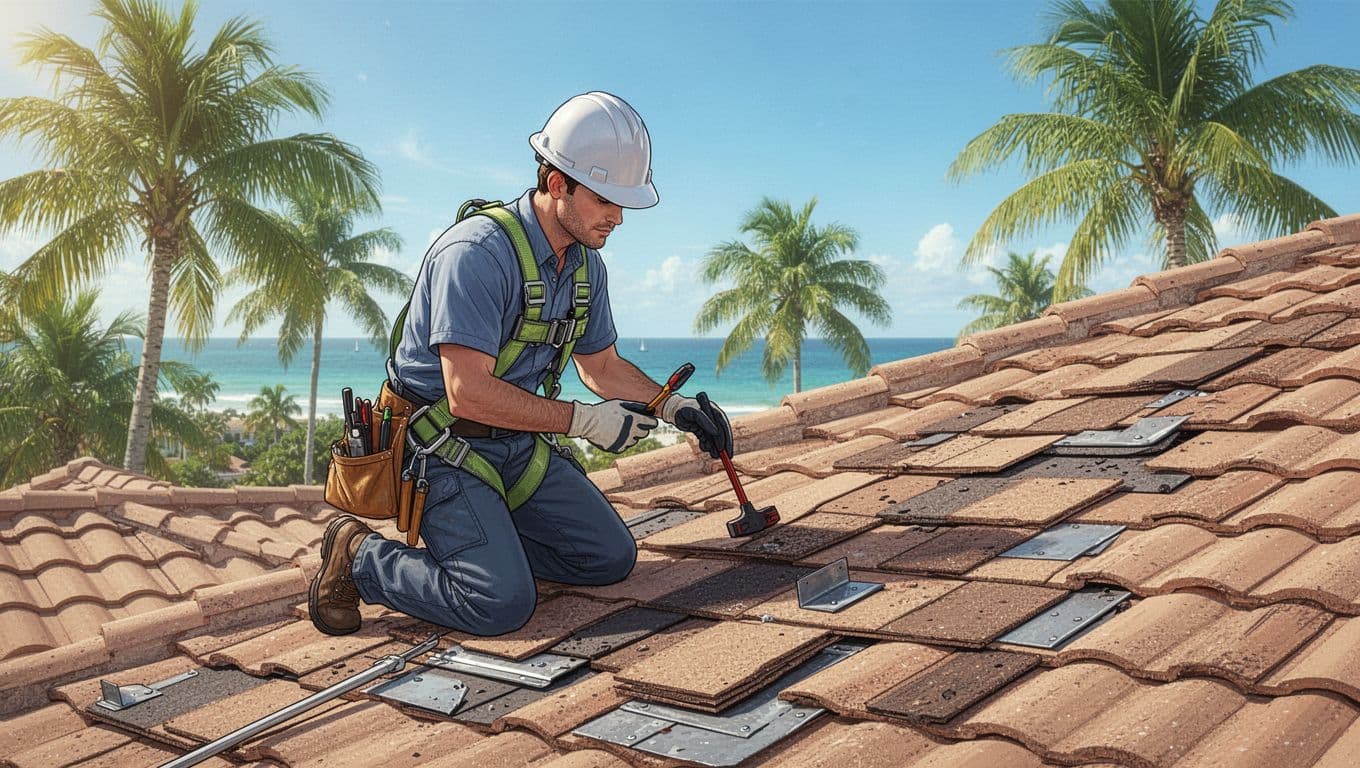 An illustration of a roofer checking roof details before a permit and inspection path begins, created with AI.
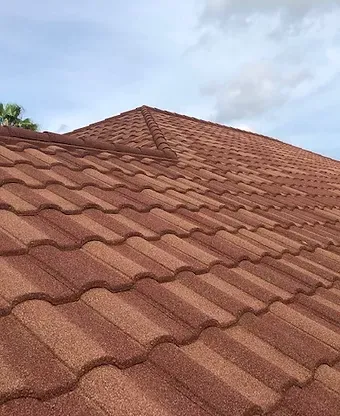
In Southwest Florida, most full re-roofs require a permit, even when you’re “just replacing what’s there.” That includes a shingle roof , tile roof , and many metal roof systems. It also applies to specialty options like a stone coated steel roof , and to many flat roof tear-offs and re-covers. For businesses, a commercial roof project almost always triggers permits and documented inspections.
Why all the formality? Think of the permit like a boarding pass. Work can’t “take off” until the county says the basic package is complete, and inspectors will check key safety and weather-resistance items along the way. If the roof is installed without the right approvals, it can create problems later during a sale, an insurance claim, or even when trying to renew coverage.
Two practical tips help from day one:
- Use a licensed roofer and confirm the license is active. Florida makes that easy through the DBPR license search portal.
- Start with a real roof inspection , not a guess. A written condition report helps the permit application match what’s actually on your home. If you want a baseline before choosing materials, schedule a Cape Coral roof inspection and keep the photos and notes with your project file.
If you’re comparing systems, your permit paperwork often changes depending on whether you choose tile, shingles, or metal, because product approvals and installation methods differ.
What to gather before applying (so plan review doesn’t stall)
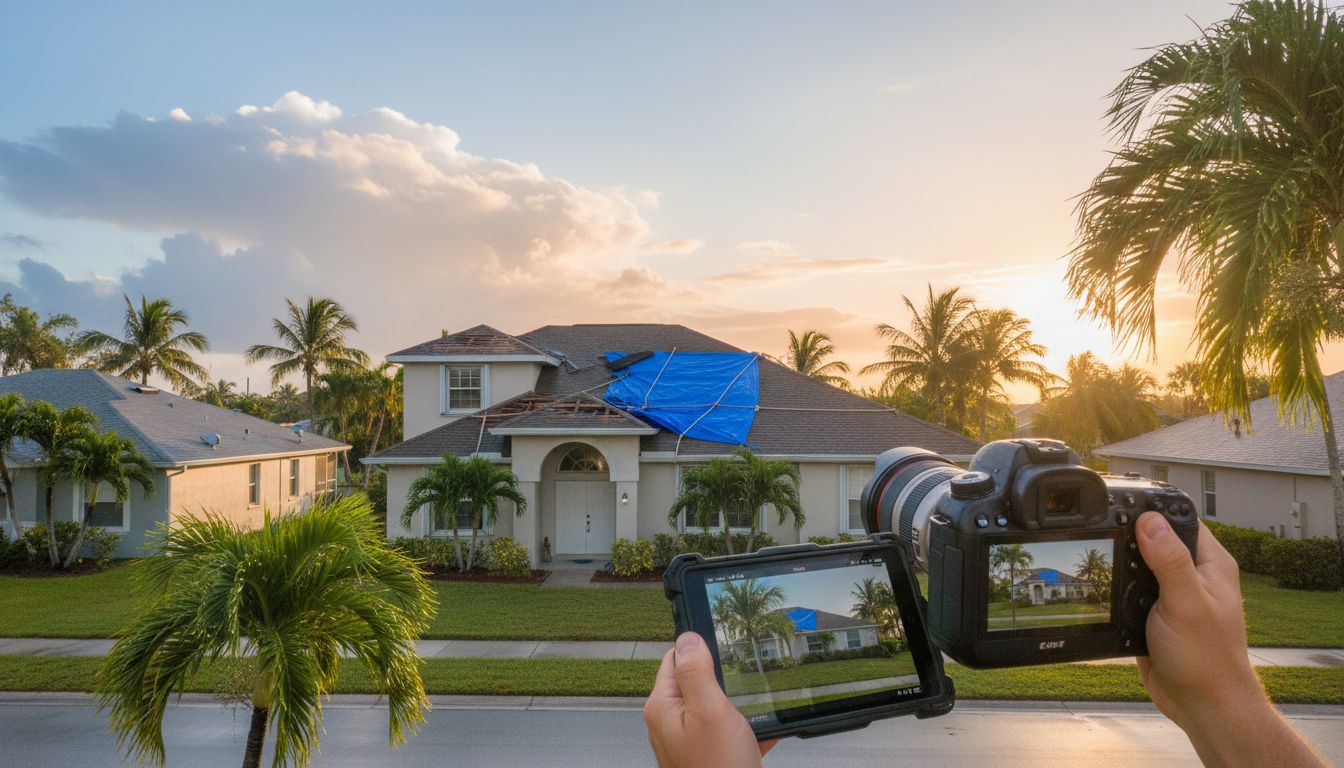
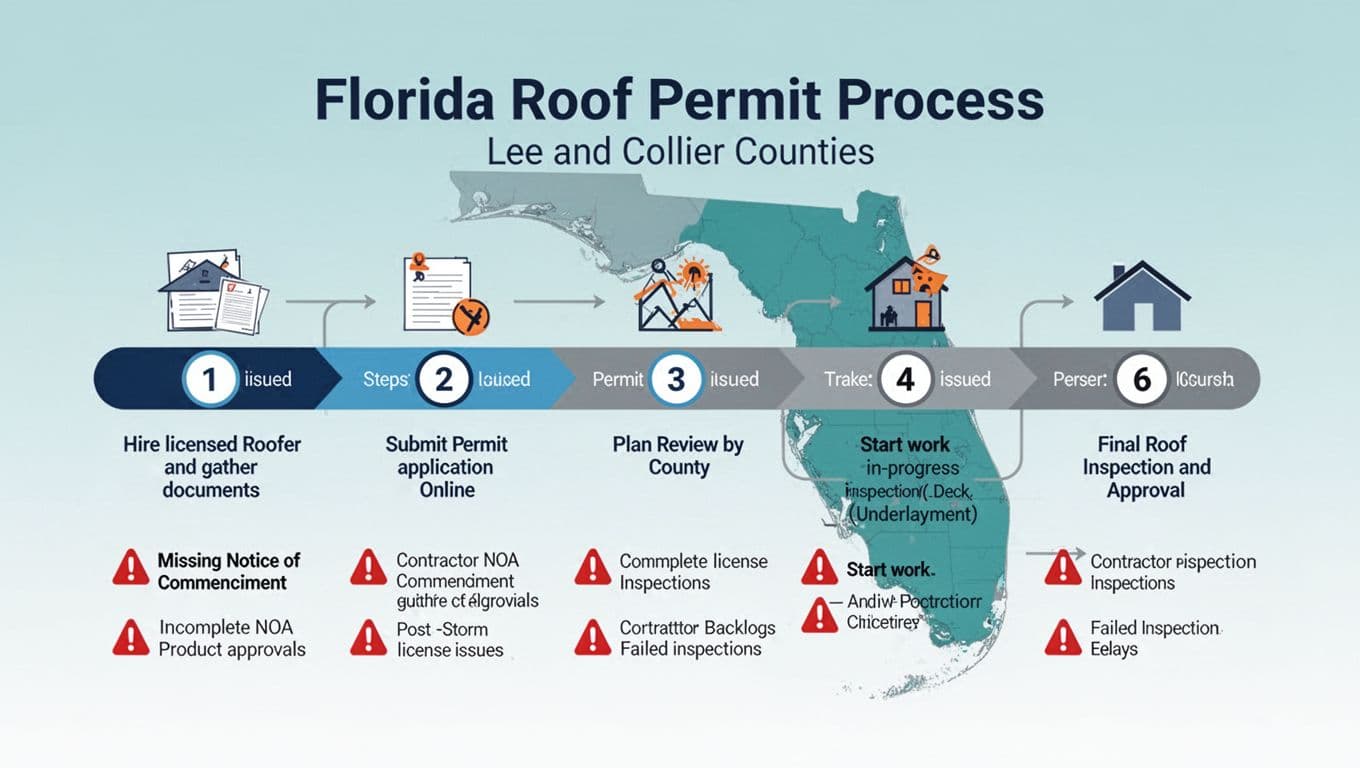 An infographic-style view of the permit path and common delay points, created with AI.
Most homeowners don’t submit the permit themselves, the roofing company does. Still, you’ll save days (sometimes weeks) by making sure the contractor has what the county will ask for.
Start by confirming where you’re permitted: unincorporated county vs. an incorporated city can change routing and review steps. Then use the official portals to track status and inspection results. For Lee County, the starting point is Lee County Building and Permitting Services, and online records and submissions run through Lee County eServices. In Collier County, homeowners can monitor progress using Collier County’s Track My Application.
Quick checklist: info to have ready
- Property address, parcel ID, and legal owner name (match the tax record).
- Scope of work (repair vs. roof replacement , and whether any decking will be replaced).
- Roof type and system details (shingle, tile, metal, flat).
- Manufacturer product approvals and components (this is where “missing approvals” becomes a common delay).
- Contractor license and insurance info (your roofer should provide this).
- HOA approval (if your community requires it, get it early).
- Notice of Commencement if required for your project value (requirements vary, confirm with your local office).
If you’re still deciding between materials, it helps to understand cost and system differences before the permit is submitted. This guide on metal roof cost in Southwest Florida is a good starting point for planning and setting expectations.
Permit timelines, inspections, and the delays homeowners run into most
In February 2026, many Florida building departments are seeing heavier volume, and residential reviews can take longer than homeowners expect, especially after regional storm events. Your timeline will depend on application completeness, reviewer workload, and how quickly inspections can be scheduled.
Typical timelines (best-case vs. worst-case)
| Stage | Best-case | Typical | Worst-case (when issues stack up) |
|---|---|---|---|
| Permit application to issuance | 2 to 5 business days | 1 to 3 weeks | 4 to 8+ weeks |
| Roof work once permit is issued | 1 to 3 days | 2 to 7 days | 2+ weeks (weather, material delays) |
| Final inspection and closeout | 1 to 3 days | 3 to 10 days | 2 to 4+ weeks (re-inspections, missing docs) |
What inspections usually look like on a re-roof
Counties schedule inspections at checkpoints, not just the end. While the exact list can vary by jurisdiction and roof type, homeowners commonly see:
- A deck or sheathing check if rotten wood is replaced.
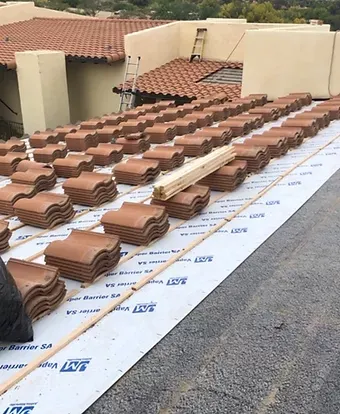
- An in-progress check tied to underlayment, dry-in, or fastening patterns.
- A final roof inspection after the roof covering, flashings, and details are complete.
A clean pass often comes down to details that aren’t obvious from the driveway: correct fasteners, correct underlayment, properly installed flashing, and documented product approvals that match what was installed.
Common delays in Lee and Collier County re-roofs
Most “mystery delays” are actually paperwork gaps or mismatches:
- Product approvals not provided, or provided for the wrong assembly.
- Notice of Commencement not recorded or not uploaded when required.
- Contractor licensing or insurance info not matching the application.
- Post-storm backlogs (permit review queues and inspection calendars fill up fast).
- Failed inspections that require corrections and re-inspection booking.
Troubleshooting stalled permits or failed inspections
If your permit seems stuck, don’t rely on verbal updates alone. Ask for the permit number, then check status in the county portal. If there are reviewer comments, request the exact correction notes and the date they were issued.
If an inspection fails:
- Ask for the failed item list (the reason should be written).
- Confirm the correction plan and when it will be completed.
- Re-schedule promptly, re-inspection slots can be the real bottleneck.
- Keep copies of approved inspections and the final closeout for your records.
Brief disclaimer: This article is general homeowner guidance, not legal advice. Permit rules and inspection steps change, confirm requirements with the appropriate county or city building department.
A permit that closes cleanly is more than paperwork, it’s proof your florida roof permit process finished the right way, with inspections documented and the roof ready for the next season.