
Florida Wind Mitigation Report for Roofs (2026), How to Read It, What Inspectors Look For, and How It Can Cut Premiums
In Florida, your roof isn’t just “the top of the house.” It’s the part insurers focus on when they price wind risk. That’s why a wind mitigation report can matter so much, even if your home looks fine from the street.
If you’ve never seen one, the form can feel like a quiz you didn’t study for. The good news is it’s not mysterious once you know what each section is asking and what proof an inspector needs to check the best boxes.
This guide explains how the current Florida OIR form works in 2026, what roof details inspectors verify, and how the results can translate into lower premiums (carrier rules vary, so confirm with your agent).
What a Florida wind mitigation report is (and what changes in 2026)
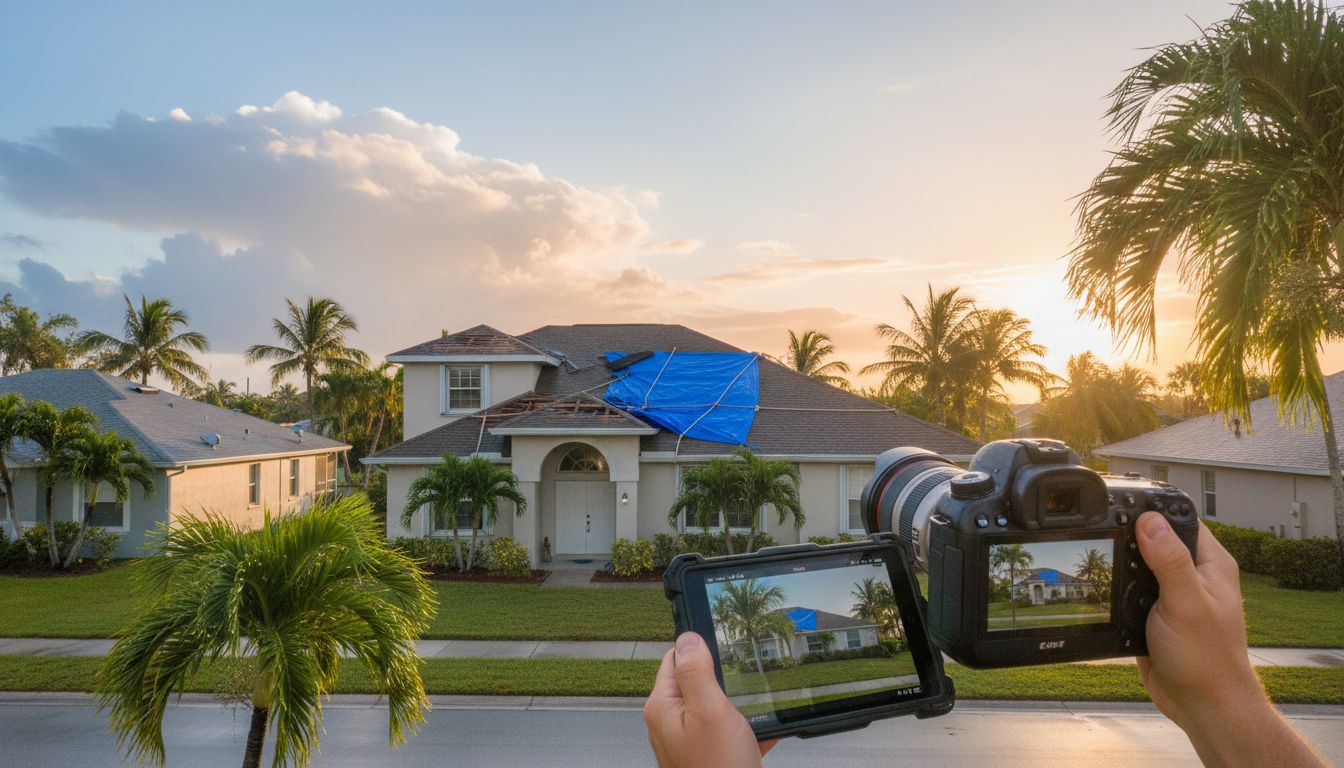
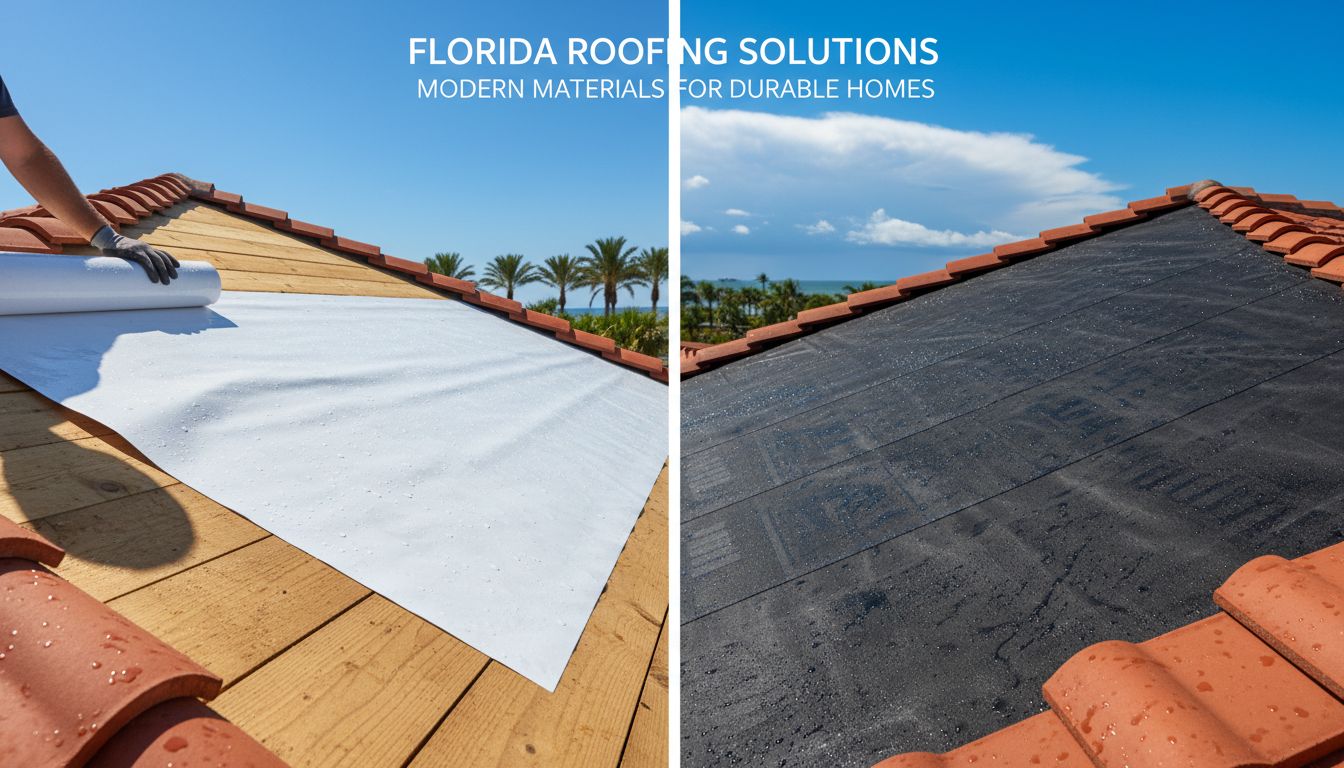
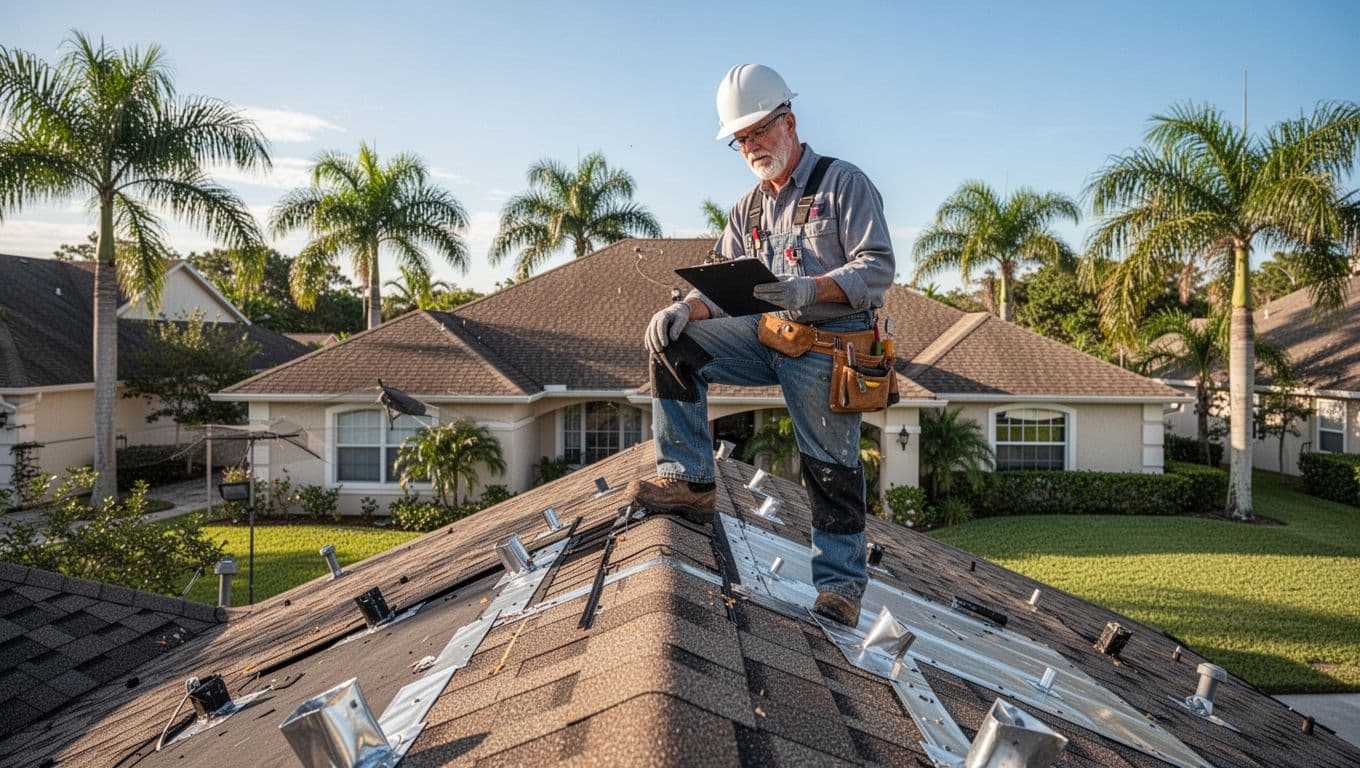 An inspector or roofer checking roof details tied to mitigation credits, created with AI.
Florida’s wind mitigation form is the state’s standard way to document hurricane-resistant features. Most people call it the wind mitigation report, but it’s based on the Florida Office of Insurance Regulation form OIR-B1-1802 . It records what can be verified about your roof system and a few related items (like opening protection).
As of February 2026, the OIR has announced an updated version that takes effect April 1, 2026 . If you’re scheduling a roof inspection close to that date, ask which version will be used and whether your carrier prefers the new format.
The report typically stays usable for years if the home hasn’t materially changed, but insurers can still ask for updated documentation. A roof replacement, major re-roof, or structural changes can reset what needs to be verified. If you want more background on how the form is structured, this breakdown of the sections is helpful: Florida wind mitigation form section overview.
One more thing: a wind mitigation report is different from a 4-point inspection. The wind mitigation report is about price credits , while other inspections often focus on eligibility . Your agent can tell you what your carrier requires right now, because underwriting rules change often.
For homeowners in Southwest Florida, regular roof checks also matter for plain old roof health. If you’re comparing inspection types, see why roof inspection matters in Cape Coral.
How to read the OIR-B1-1802 wind mitigation form (without guessing)
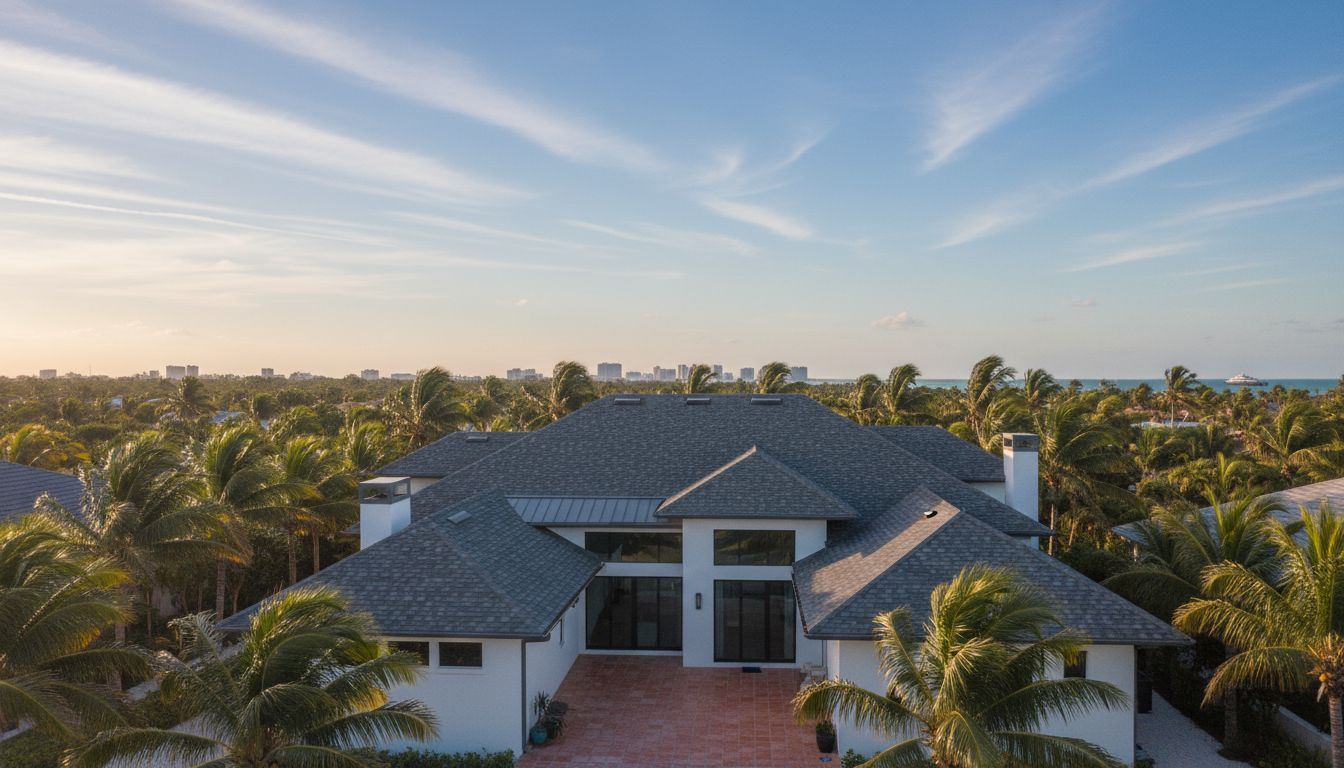
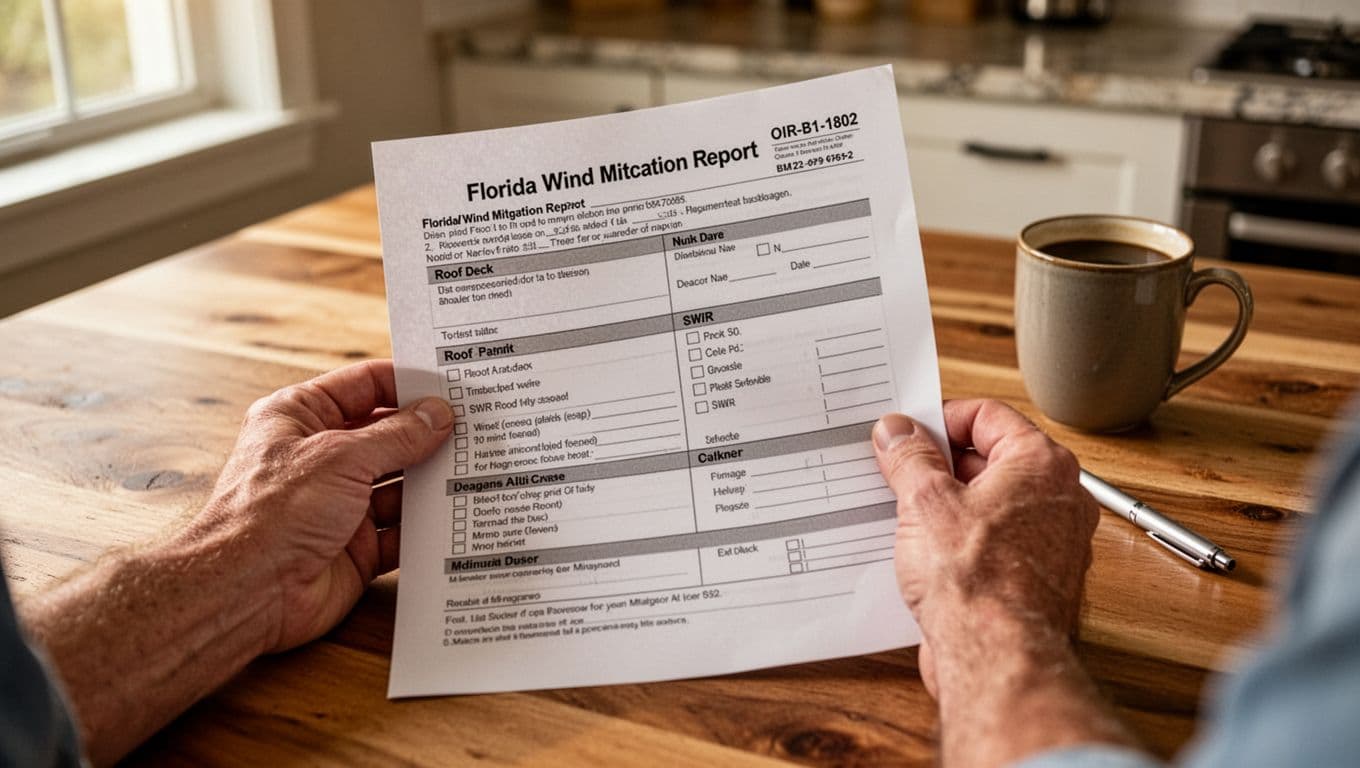 Reviewing the completed form is where most homeowners spot errors, created with AI.
The form is basically a scorecard. It doesn’t “rate” your roof like a school test, but each section has answer choices. The insurer applies its own credit rules to those answers.
A clear way to read it is to match each section to what it proves about your roof:
| Form section | What it’s really asking | Roof-related proof that matters |
|---|---|---|
| Building code | When the home or roof was built or re-roofed | Permit records, final inspection, contractor affidavit |
| Roof covering | What type of roof covering is installed | Product label, permit docs, photos |
| Roof deck attachment | How the roof sheathing is nailed to trusses/rafters | Attic photos showing nail type and spacing |
| Roof-to-wall connection | How the roof structure is tied to walls | Attic photos of clips/straps/single-wrap/double-wrap |
| Roof geometry | Hip vs gable and other shape rules | Clear roof outline (aerial or diagrams) |
| Secondary water resistance (SWR) | Whether underlayment prevents water intrusion if covering fails | Invoice specs, peel-and-stick proof, sealed deck proof |
| Opening protection | Shutters or impact-rated openings | Labels, permits, product approvals |
Homeowners tend to fixate on “roof type,” but the big swing items are usually the hidden ones: deck attachment, roof-to-wall connection, SWR, and correct roof geometry classification. If you want a plain-language walkthrough of what each checkbox means, this guide is easy to follow: how to read a wind mitigation form.
When you get your report back, look for two things right away:
- Photos : A strong report has clear attic photos and roof shots that match the checked boxes.
- Consistency : The roof shape, roof covering type, and permit dates shouldn’t conflict.
If anything looks off, address it fast. A corrected report with better documentation can make a real difference when the carrier recalculates credits.
What inspectors look for on roofs (and how to prep for a smoother report)
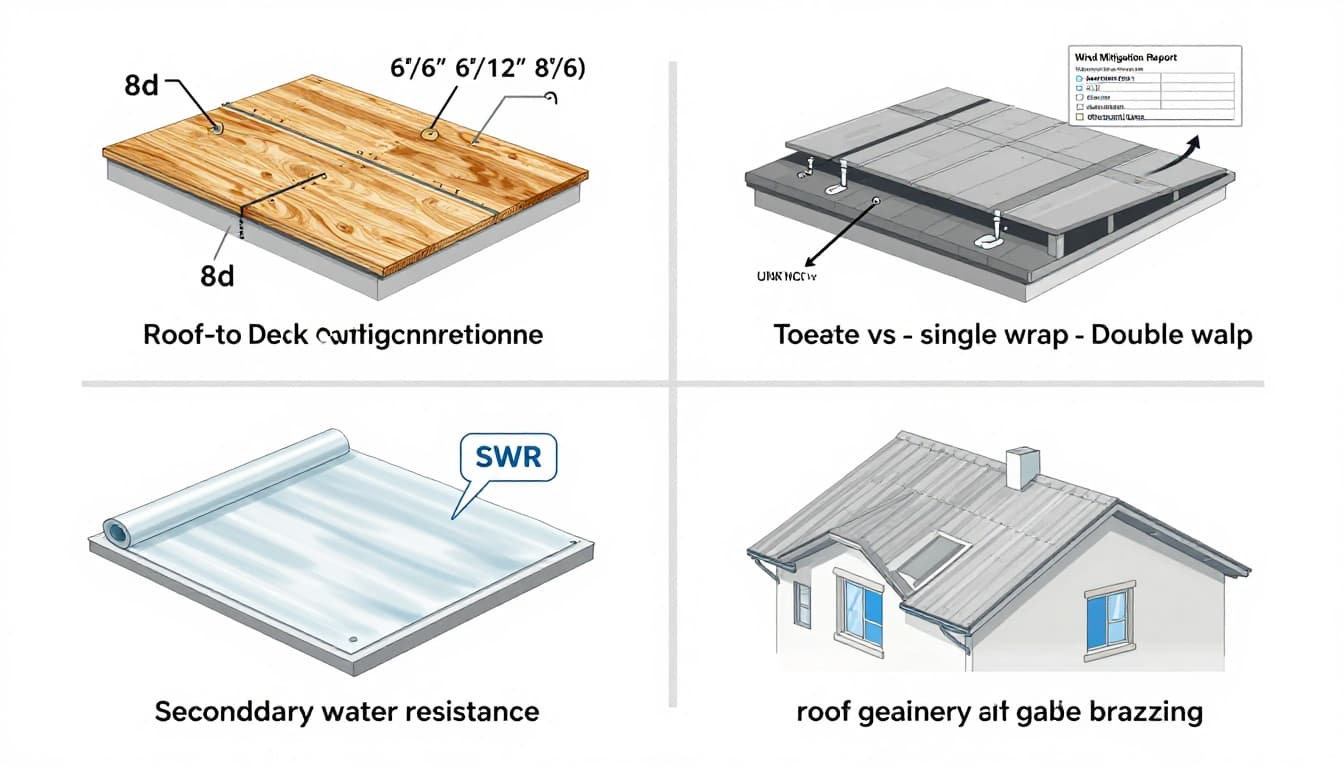 Key roof features inspectors verify for mitigation credits, created with AI.
Inspectors are verifying, not assuming. If it can’t be proven, it often can’t be credited.
That plays out differently depending on your roof system:
- A shingle roof often hinges on underlayment details (SWR) and how the deck is nailed. Many homes fail to get the best deck attachment category because nail type or spacing can’t be confirmed in the attic.
- A metal roof (including standing seam) can perform well in wind, but the report still comes back to attachments, SWR, and roof-to-wall ties, not just the material.
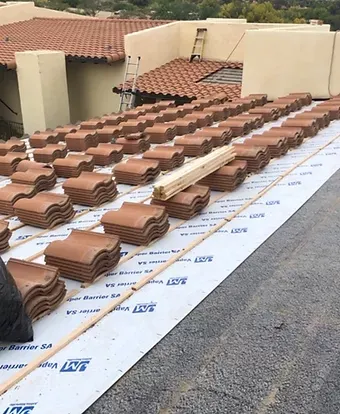
- A tile roof can be durable, but documentation matters. The inspector may need to confirm the installation method and underlayment approach.
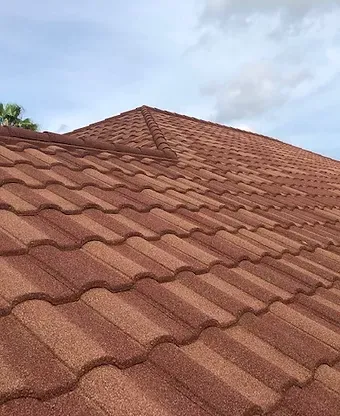
- A stone coated steel roof combines metal performance with a granular finish, but it’s still graded by the same form sections.
- A flat roof often relies heavily on membrane and attachment details, plus edge conditions. The form still asks roof geometry questions, even when the roof is low-slope.
- A commercial roof on a mixed-use property can add complexity, especially if parts of the building have different roof sections or attachments.
Quick homeowner checklist before the inspection
- Clear attic access (unblocked hatch, pull-down ladder works, safe walkway if possible).
- Gather permits and re-roof paperwork , especially after March 1, 2002.
- Find any roof invoices that mention peel-and-stick, sealed deck, or SWR.
- If you have shutters or impact openings, collect product labels or permits .
Wind mitigation report red flags to watch for
- Missing attic access , which can force conservative answers.
- Unverified nail spacing , often marked when photos are unclear.
- No proof of SWR , even if you believe it was installed.
- Incorrect roof shape classification , especially hip vs gable.
If your report shows weak points that are also real roof risks, it may be time to talk with a local roofer about upgrades. For planning and timing, see this roof replacement process in Southwest Florida. And if you’re trying to connect roof upgrades to insurance pricing, this overview helps set expectations: how a new roof can affect homeowners insurance. For broader Florida context on inspections and insurance requirements, review this Florida home insurance inspections guide.
Disclaimer: This article is informational only and not legal or insurance advice. Discounts and underwriting rules vary by carrier and can change. Confirm requirements and potential credits with your insurance agent before making decisions.