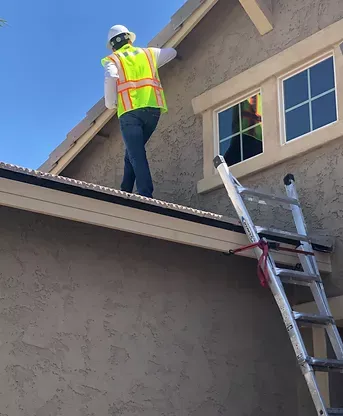

Emergency Roof Tarping in Southwest Florida, What to Do in the First 24 Hours After Storm Damage (materials, photos, and safety tips)
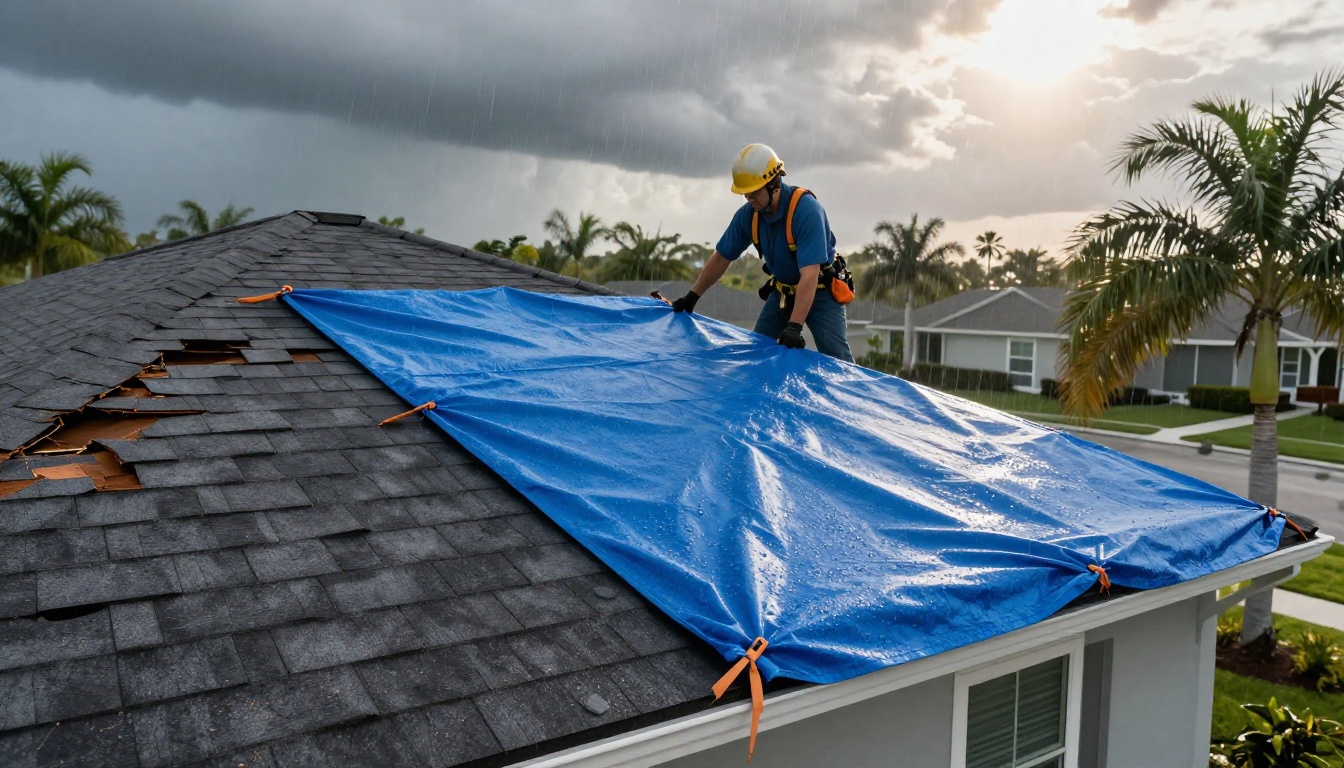
When a hurricane or tropical storm rolls through Fort Myers, Cape Coral, Naples, or Sarasota, roof damage can turn from “a few missing pieces” to a soaked ceiling fast. Wind-driven rain doesn’t need a big hole, it only needs one weak spot.
Emergency roof tarping is like putting a clean bandage on a deep cut. It won’t heal the roof, but it can slow the damage until a licensed pro can make real repairs. The first 24 hours matter most because water spreads, insulation holds moisture, and Florida heat can speed up mold growth.
This is general information for homeowners, not engineering or safety advice. If conditions aren’t safe, don’t climb, call a qualified roofer.
The first 24 hours: priorities that protect your home (and your claim)
Start with the assumption that the roof is unstable. After a storm, nails back out, decking can be soft, and tiles can be loose underfoot. If it’s still windy or raining, stay off ladders and off the roof.
1) Make the area safe.
Watch for downed lines, sagging soffits, and wet ceilings that could collapse. If water is near outlets or light fixtures, shut off power to affected areas at the main panel if you can do it safely.
2) Do a ground-level assessment first.
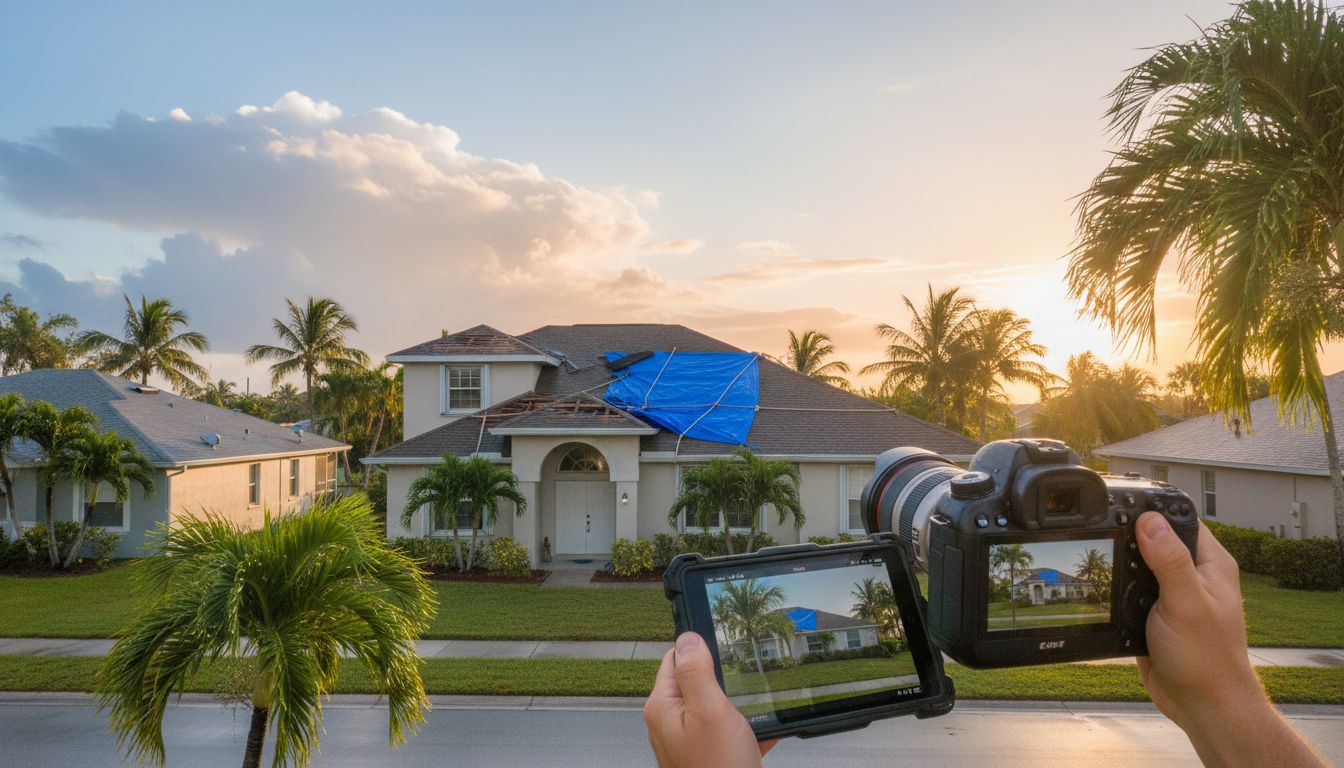
Use binoculars or your phone camera zoom. Look for missing shingles, displaced tiles, lifted flashing, punctures from debris, and bent metal panels. If you need a deeper storm plan, this Cape Coral storm damage roof guide
lays out what to check and when to call for help.
3) Stop active water entry inside.
Move furniture, place buckets, and poke a small drainage hole in a bulging ceiling drywall section only if you’re comfortable and it’s safe (water can be heavy). Save wet items if possible, and start fans once power is stable.
4) Document, then mitigate.
Insurers usually expect you to prevent further damage. Take photos before you move debris or place tarps, then keep going after the tarp is installed. Florida’s own hurricane recovery guidance also stresses drying and temporary protection steps after roof covering loss, see the Hurricane Retrofit Guide’s after-storm resources.
5) Notify your insurer and track expenses.
Call your carrier, start a claim file, and keep receipts for tarps, lumber, fasteners, and any temporary drying equipment you buy.
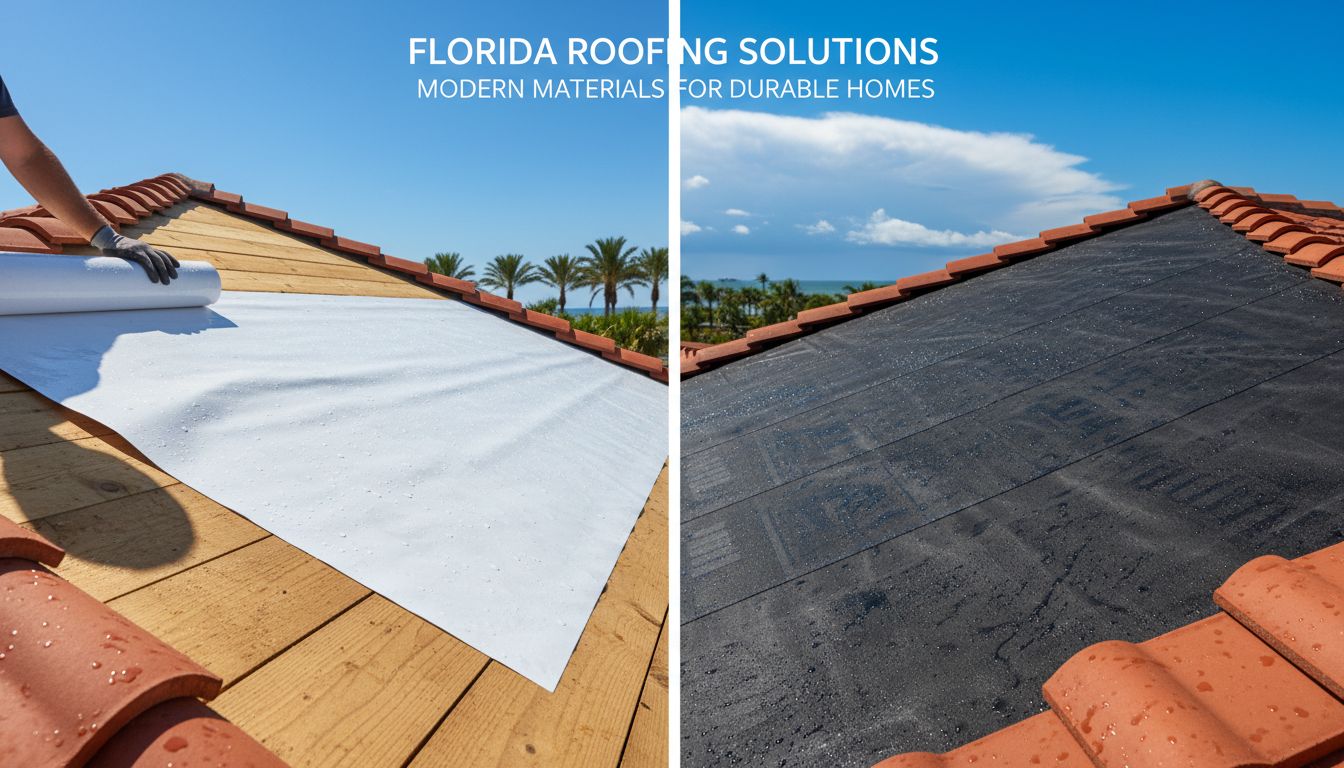
Emergency roof tarping materials, and how to place them so rain sheds correctly
A tarp only works if it stays tight and sheds water like a roof. Think “fish scales,” the upper layer always overlaps the lower layer so water runs over seams, not into them.
What you’ll want on hand
Use sturdy materials because Southwest Florida gusts can turn a loose tarp into a sail.
- Tarp : Heavy-duty, reinforced edges, grommets, and a thicker tarp (often 10 to 12 mil) holds up better than thin plastic.
- Lumber : 1x3 or 2x4 boards to sandwich tarp edges (this spreads force and reduces tearing).
- Fasteners : Screws with washers are often more secure than nails, but either can work when installed into solid framing. Avoid relying on tape alone.
- Basic tools and PPE : Gloves, eye protection, closed-toe shoes with grip, and a headlamp for attic checks.
Different roofs need different handling. A shingle roof can hide torn underlayment, a tile roof can crack if stepped on wrong, and a metal roof can be slick even when it “looks dry.” A stone coated steel roof can still have damaged flashings or fasteners after wind events. A flat roof (common on lanais and some homes) needs extra attention to pooling water. A commercial roof often has HVAC units and electrical runs that add risk.
| Roof type | Tarping note | Common mistake |
|---|---|---|
| Shingle roof | Cover beyond missing shingles, not just the bare spot | Fastening only at corners |
| Tile roof | Don’t walk tiles unless trained, breakage creates more leaks | Stepping in the wrong areas |
| Metal roof | Avoid slick panels, watch sharp edges | Using too few attachment points |
| Flat roof | Prevent ponding, direct water to drains | Letting water pool on tarp |
A simple “direction” diagram (described in text)
Picture the roof slope like a slide. The tarp’s top edge must sit higher than the damage so gravity helps you. Place the tarp so it runs up and over the damaged area, extending at least 2 to 3 feet past the damage on all sides. If you can do it safely, secure the top edge under a board higher on the slope so wind-driven rain can’t push under it.
Basic steps (only if conditions are safe)
- Wait for calm weather and daylight if possible.
- Inspect from the ground, then from a ladder only if stable and dry.
- Measure the damaged zone, add at least 2 to 3 feet of coverage each direction.
- Lay tarp smooth, with seams and overlaps running downhill.
- Wrap tarp edges around boards, then fasten boards to solid structure (not just thin decking edges).
- Tighten and re-check for flapping, flapping leads to tears.
- Photograph the finished tarp from multiple angles.
If you’re unsure, stop. A fall costs more than a roof repair.
Photo checklist for storm damage (roof, attic, and interior)
Good photos can speed up approvals and reduce back-and-forth. Take pictures before tarping, during, and after. Also take wide shots to prove location and context.
Here’s what to capture:
- Wide exterior shots : All four sides of the home, plus the whole roof if possible.
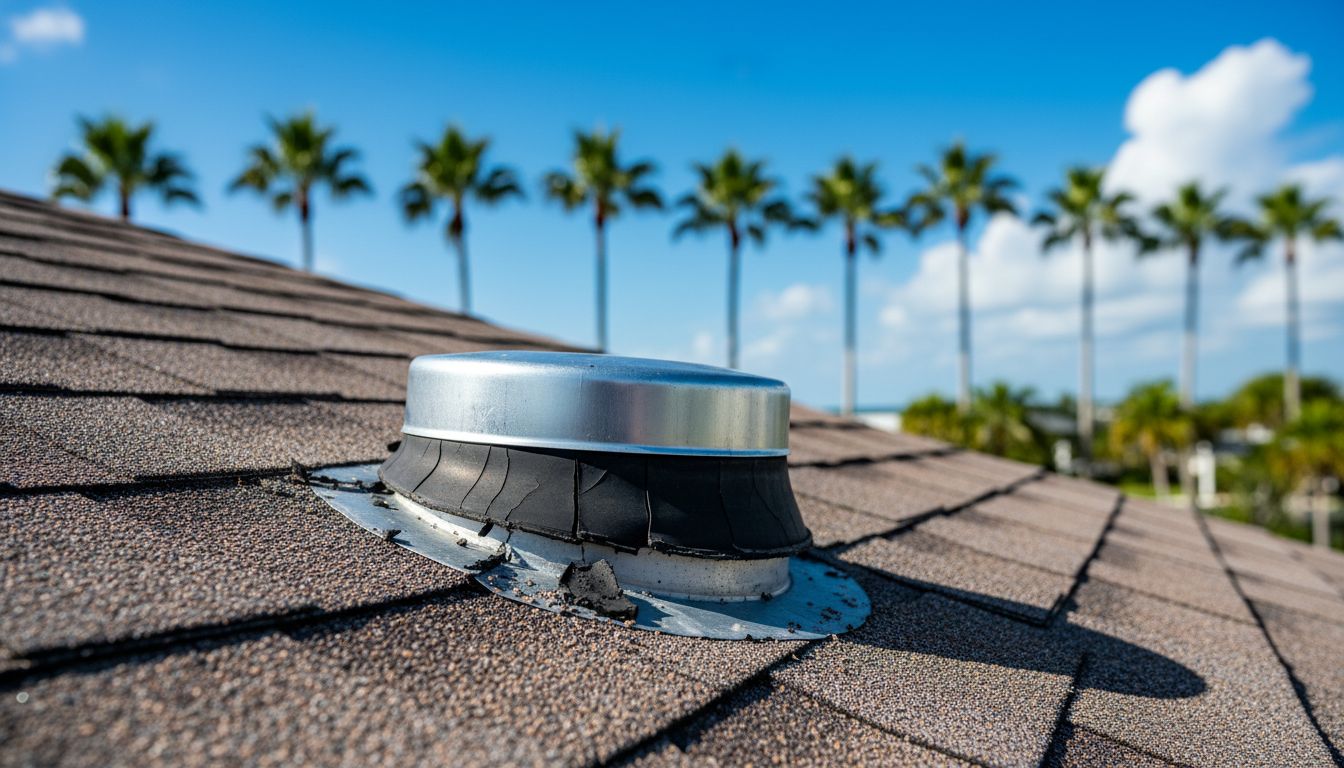
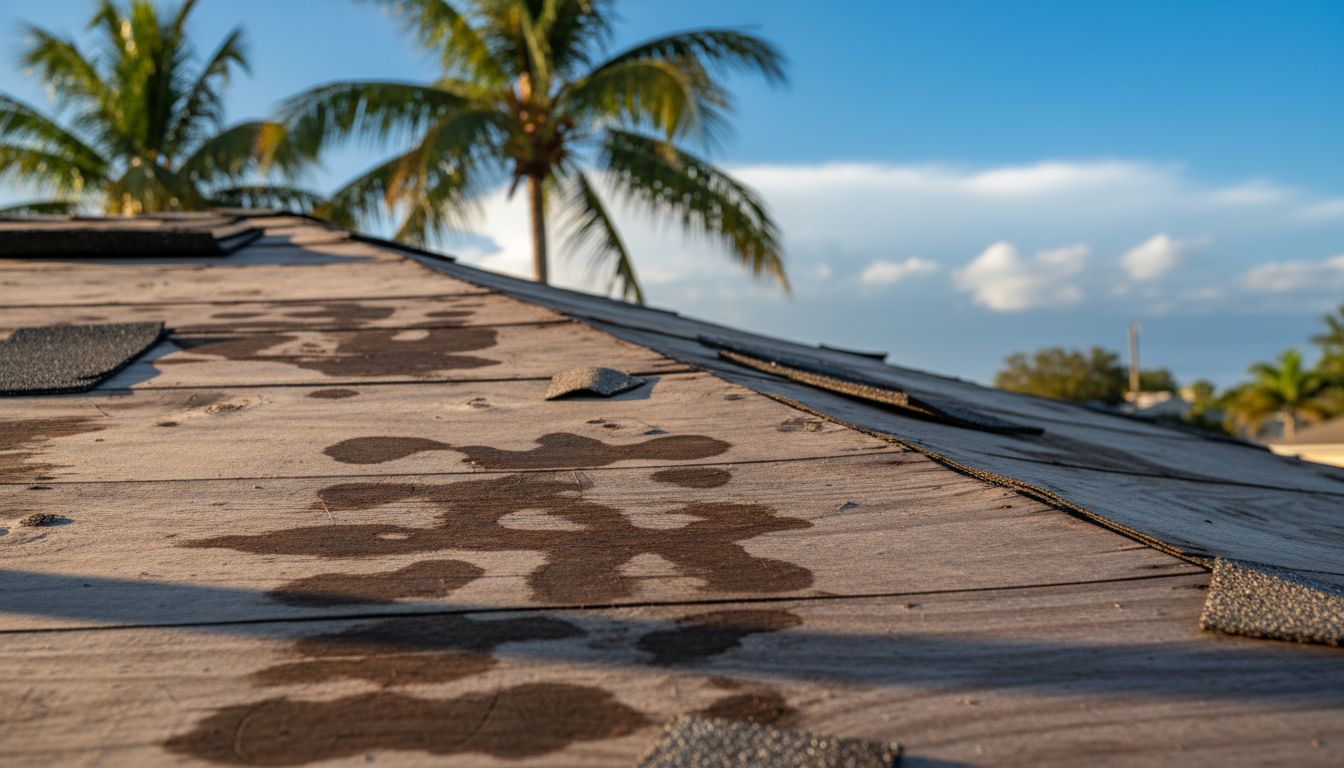
- Roof damage close-ups : Missing shingles, cracked tiles, lifted metal edges, exposed underlayment, punctures, and dented vents.
- Flashing and penetrations : Valleys, pipe boots, wall flashings, skylights, and chimney areas (these leak often).
- Interior ceilings and walls : Stains, bubbling paint, wet drywall, and baseboards.
- Attic photos : Wet decking, drips, daylight through decking, and soaked insulation (only if it’s safe and not near electrical hazards).
- Debris impact : Fallen branches, fence pieces, or patio items that hit the roof.
Keep receipts for everything, including tarps and fasteners. For a deeper walk-through, see this step-by-step roof claim guide Florida. It also helps to know your rights during the claims process, Florida’s CFO provides a plain-language reference in the Homeowner Claims Bill of Rights guide.
Once the immediate leak risk is controlled, schedule a professional roof inspection . This article on why regular roof checks matter in Florida explains why hidden storm damage is easy to miss from the driveway.
Safety tips that matter in Southwest Florida heat and storm debris
Post-storm injuries often happen during “quick fixes.” Treat the site like a work zone.
- Wind and rain : Don’t tarp in active gusts or on a wet roof.
- Ladder safety : Set on firm ground, keep three points of contact, don’t overreach.
- PPE : Gloves for sharp metal and fasteners, eye protection for debris, sturdy shoes.
- Heat stress : February can be mild, but storm cleanups often run into hot afternoons. Take breaks, drink water, and stop if you feel dizzy.
- Nails and screws : Assume there are loose fasteners in debris piles and in the yard.
- Electrical risks : Water and wiring don’t mix. Stay clear of service mast damage and overhead lines.
Temporary tarp vs permanent repair (and when roof replacement is on the table)
A tarp is temporary. It buys time while you line up a reputable roofing company and your insurer schedules an adjuster. Permanent repairs might be a targeted fix, or they may point to roof replacement , depending on how much of the roof system was compromised, the age of materials, and code requirements in your area.
Even if the roof “looks fine,” wind can loosen attachment points and flashing. That’s why a licensed roofer should evaluate the full system, including underlayment, decking, and ventilation. If you want a high-level explanation of why codes matter after disasters, FEMA’s Building Codes Basics is a solid overview.
If your home has a tile roof , shingle roof , metal roof , stone coated steel roof , flat roof , or a commercial roof section, tell your contractor upfront. Material type changes the repair plan, the safe walking paths, and the fastening method.
Conclusion
Storm damage is stressful, but the first day is about three things: safety , stopping water, and clean documentation. If you can’t tarp safely, don’t force it. Get the photos you can from the ground, notify your insurer, keep receipts, and schedule a professional roof inspection. Emergency roof tarping is the short-term shield, the real goal is a dry home and a permanent repair you can trust.