Metal Roof vs. Shingle Roof in Southwest Florida (2026), Cost, lifespan, noise, and storm performance
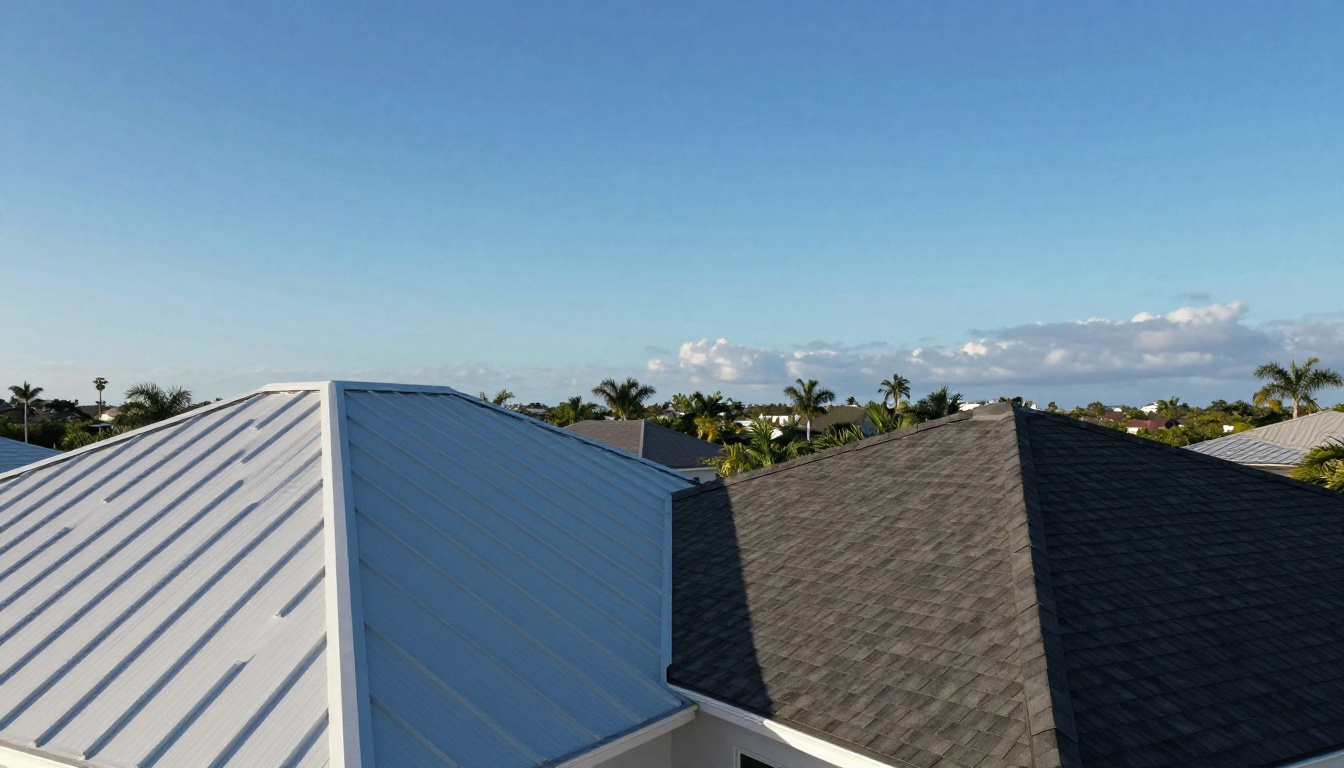
In Southwest Florida, your roof isn’t just curb appeal. It’s your first shield against salt air, brutal UV, daily summer downpours, and hurricane-season wind.
If you’re weighing metal roof vs shingle , the “right” choice usually comes down to one question: do you want the lowest upfront price, or the longest service life with fewer surprises?
Below is a practical 2026 comparison for homeowners planning a roof inspection, repair, or full roof replacement in Cape Coral, Fort Myers, Estero, and surrounding areas.
2026 cost in Southwest Florida: installed pricing and what changes it
Installed pricing moves with roof complexity, code requirements, and how much hidden damage shows up after tear-off. For 2026, these are realistic installed ranges for many Southwest Florida homes:
| Roof Type (Residential) | Installed Cost (per sq ft) | 1,500 sq ft Roof Total | 2,500 sq ft Roof Total |
|---|---|---|---|
| Shingle roof (architectural asphalt) | $4 to $8 | $6,000 to $12,000 | $10,000 to $20,000 |
| Metal roof (standing seam or similar) | $8 to $15 | $12,000 to $22,500 | $20,000 to $37,500 |
These ranges align with current Florida market write-ups like this 2026 metal vs shingle cost comparison and a practical price breakdown, but your final number depends on the details below.
What drives the price up (or down)
A good roofer will walk the roof, check the attic, then explain which line items are optional and which ones are “must-do” for Southwest Florida storms.
Common cost drivers include:
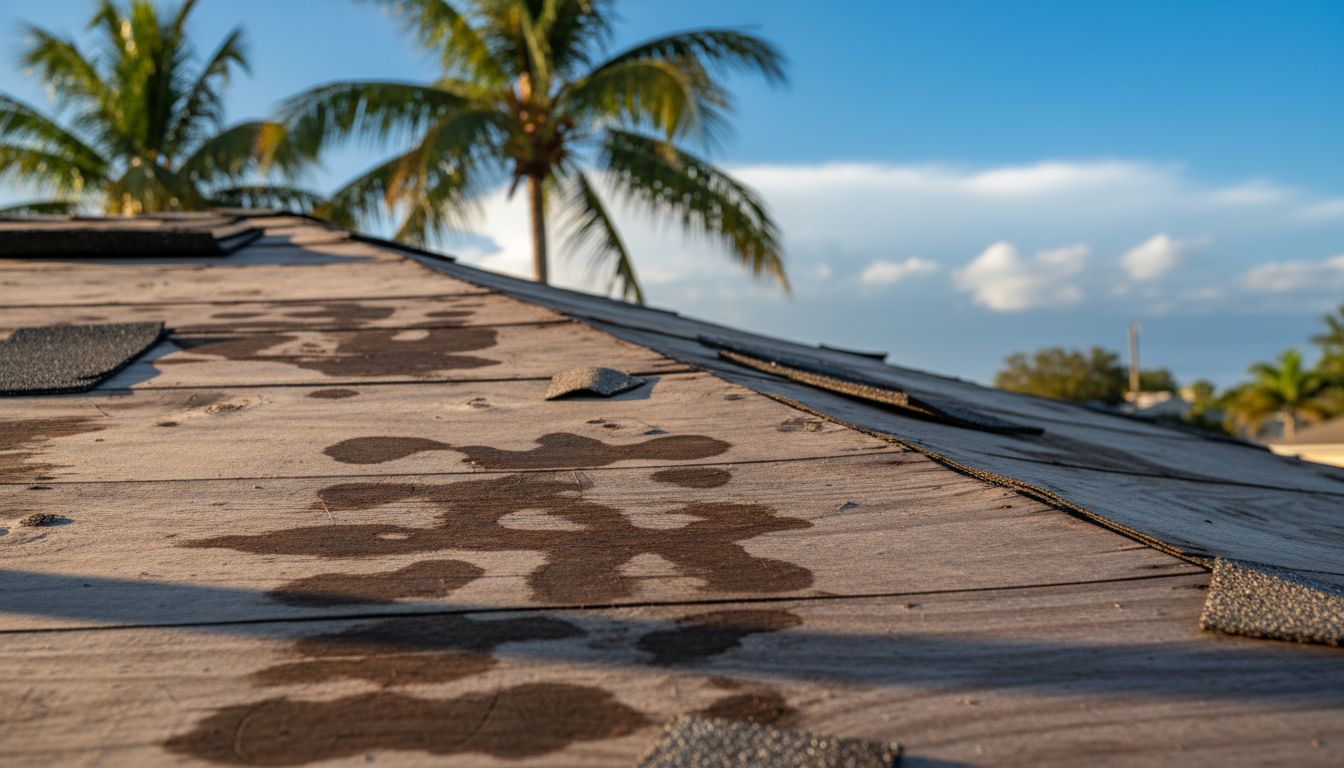
- Decking repairs : If plywood is soft from leaks, costs often jump fast. Expect added cost when sections need re-sheeting before new underlayment goes down.
- Tear-off and number of layers : Removing one layer is typical, two layers adds labor and dump fees.
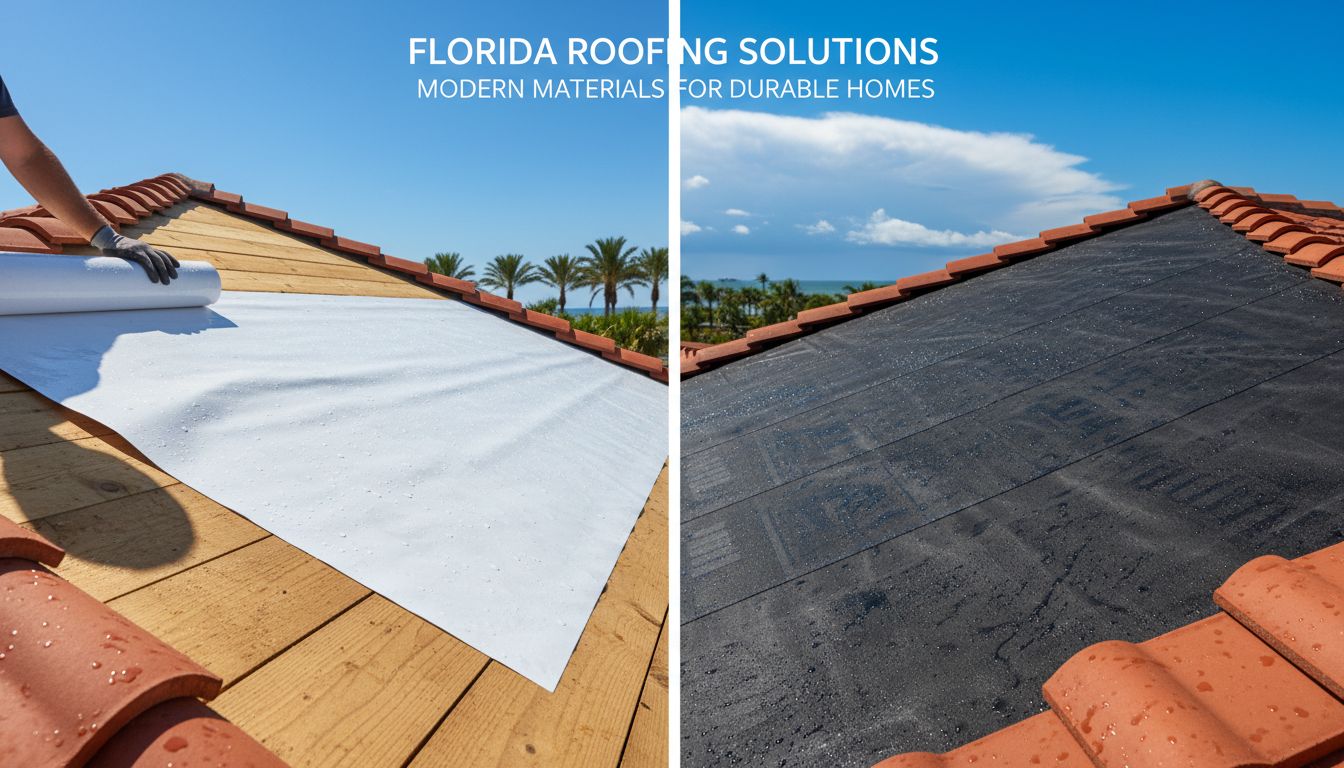
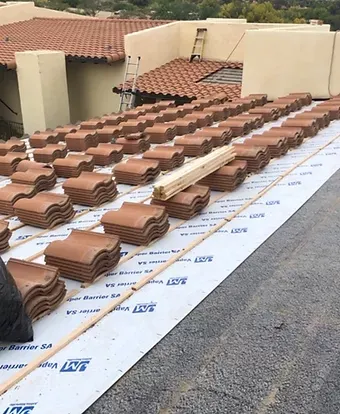
- Underlayment choice : Many homeowners upgrade to synthetic or peel-and-stick in key areas for better wind-driven rain protection.
- Metal fastening systems : Standing seam uses clip systems and locked seams, exposed-fastener panels rely on screws and washers. Clips and proper edge detailing cost more, but they’re a big part of storm performance.
- Ventilation upgrades : Ridge vents, soffit intake improvements, and bathroom fan vent corrections can raise the bid, but they reduce attic heat and moisture.
- Edge metal and drip edge : This is not the place to cut corners. Correct metal thickness, fastening, and integration with underlayment matters in high winds.
- Gutter, fascia, and soffit work : Replacing rotten fascia, adding gutters, or correcting soffit ventilation often happens during roof replacement because everything is exposed.
If you want a clear picture of timelines, inspections, and permitting steps, see this roof replacement process in Southwest Florida. It helps you compare bids apples to apples.
Lifespan in coastal SWFL: what you really get from shingles and metal
Manufacturer warranties can sound impressive, but coastal Florida is hard on roofs. Heat and UV dry materials out, humidity feeds algae, and salt speeds corrosion on the wrong metals and fasteners.
Here’s what’s realistic near the coast when installation is solid and the roof is maintained:
- Architectural asphalt shingle roof : often 15 to 25 years in Southwest Florida, with many coastal roofs landing closer to 15 to 20.
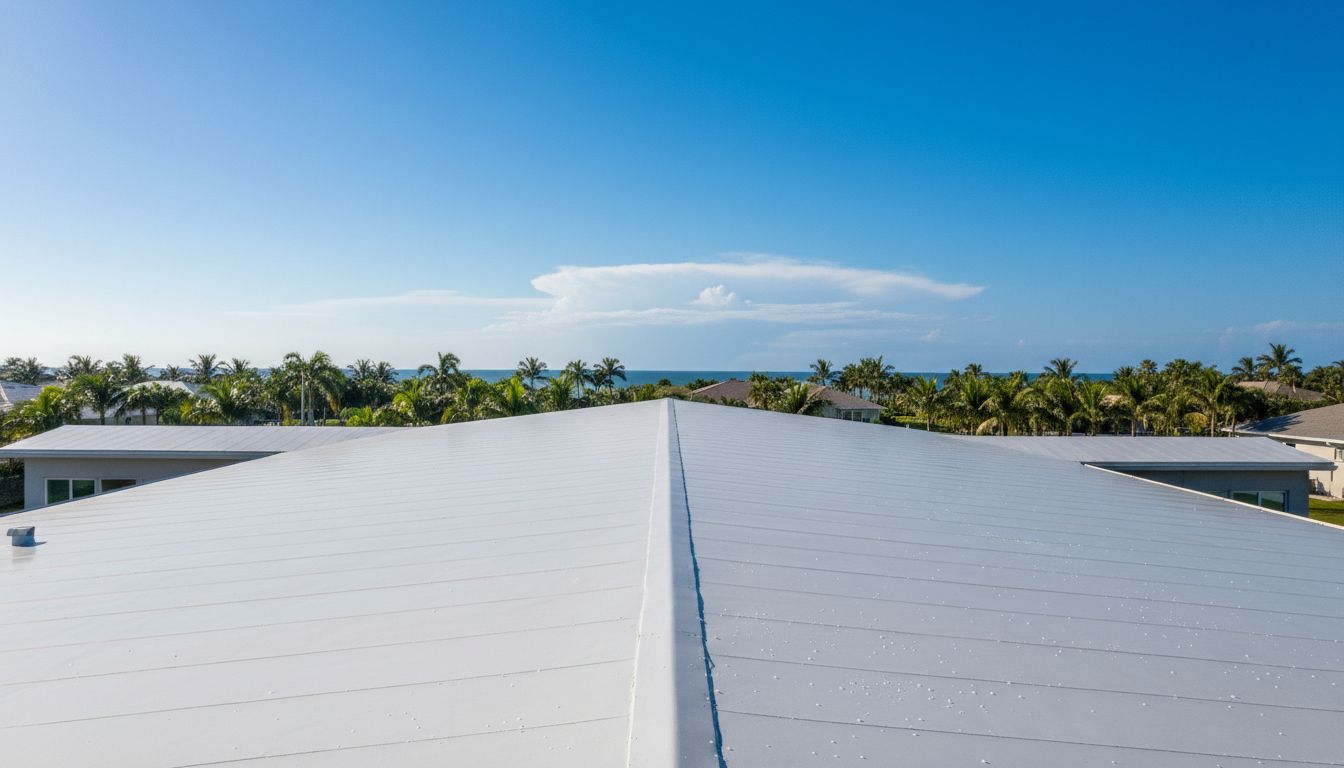
- Standing seam metal roof (hidden fasteners) : commonly 50 to 70 years . Hidden fasteners reduce the “leak points” that age faster.
- Exposed-fastener metal : often around 30 years , but screw and washer maintenance becomes part of ownership.
What does maintenance look like in real life?
With shingles, the money problems usually start when granules wash away and the mat gets brittle. If you’re doing frequent spot repairs, chasing repeated leaks, or seeing widespread lifting and cracking, repairs stop being economical and replacement becomes the smarter spend.
With metal, the roof surface can last decades, but details still need attention. Exposed-fastener systems may need periodic fastener replacement and re-sealing. Standing seam tends to need less, but you still want routine checks at penetrations, flashing, and valleys.
Where tile, stone-coated steel, and flat roofs fit in the conversation
Many Southwest Florida neighborhoods also have a tile roof , which can last a long time but is heavy, and repairs can get expensive when tiles crack and matching becomes difficult.
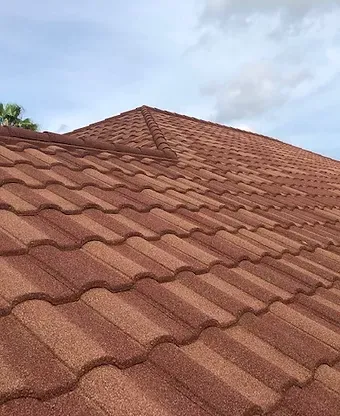
A stone coated steel roof is a strong middle ground for homeowners who want the look of tile or shake with the strength of steel. If that’s on your list, this guide on stone-coated steel roof costs in Southwest Florida is a helpful starting point.
For a flat roof on a home addition, or any commercial roof , lifespan depends heavily on drainage, seam quality, and coating or membrane maintenance. Flat systems can perform well here, but they punish neglect. Ponding water and clogged drains turn small issues into big ones.
Noise: the roof deck and attic matter more than the material
People worry that a metal roof will sound like a drum during summer rain. In most finished homes, noise is more about what’s under the roof than the roof skin itself.
A metal roof installed over solid decking, with quality underlayment and a properly insulated attic, usually sounds similar to other roofs indoors. The “loud metal roof” stereotype is most true for open framing, barns, patios, and some older homes with thin insulation.
If noise is a top concern, practical sound control steps include:
- Use a high-quality underlayment that adds cushion and mass.
- Improve attic insulation (and air sealing) to block sound and reduce heat gain.
- Confirm solid decking is in good shape, and replace weak sections during tear-off.
- Seal ceiling penetrations (recessed lights, bath fans, attic hatches) since sound slips through gaps.
The bonus is that these upgrades also make the home more comfortable during long heat stretches.
Storm performance in Southwest Florida: wind ratings, edge details, and post-hurricane checks
In hurricane country, the roof system is only as strong as its attachment and edge detailing. Material matters, but installation choices matter more.
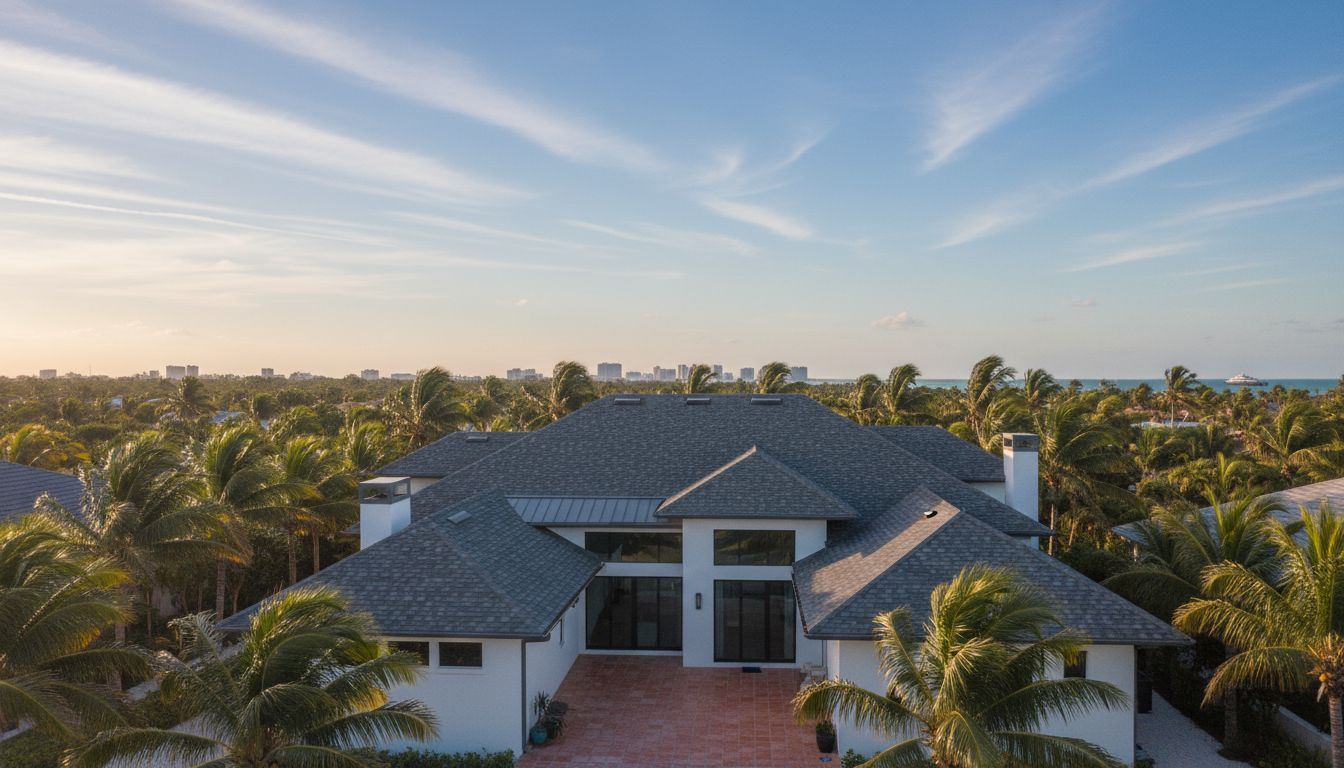
In general, metal systems can achieve higher wind performance when properly engineered and installed, often cited up to 140 to 180-plus mph depending on profile and approvals. Shingles can also be high-wind rated, but they rely on correct nailing patterns, starter strips, sealed courses, and strong edge details. Miss those details and wind finds a way in.
Florida code compliance and product approvals are part of this. Many systems used in the state are evaluated under Florida Product Approval, and some products also carry Miami-Dade NOA recognition. If you want a plain-language overview of how roof code and approvals affect installs, this Florida roofing codes guide is a useful reference, and this article on building codes for metal roofing in Florida explains common compliance points.
Common hurricane failure modes (and what to inspect after)
After a major wind event, schedule a roof inspection even if the roof “looks fine” from the driveway.
What fails most often:
- Shingle roofs : adhesive strips let go, ridge caps peel, tabs lift, then whole fields can unzip. Once the underlayment is exposed, wind-driven rain does the rest.
- Metal roofs : problems usually trace back to loose fasteners , missed framing, weak decking, or poor flashing at penetrations. With exposed-fastener metal, aged washers and backed-out screws can become leak paths.
Inspection points to prioritize:
- Ridge and hips (uplift starts here)
- Eaves and rake edges (drip edge, starter, and edge fastening)
- Valleys and wall transitions (water concentrates here)
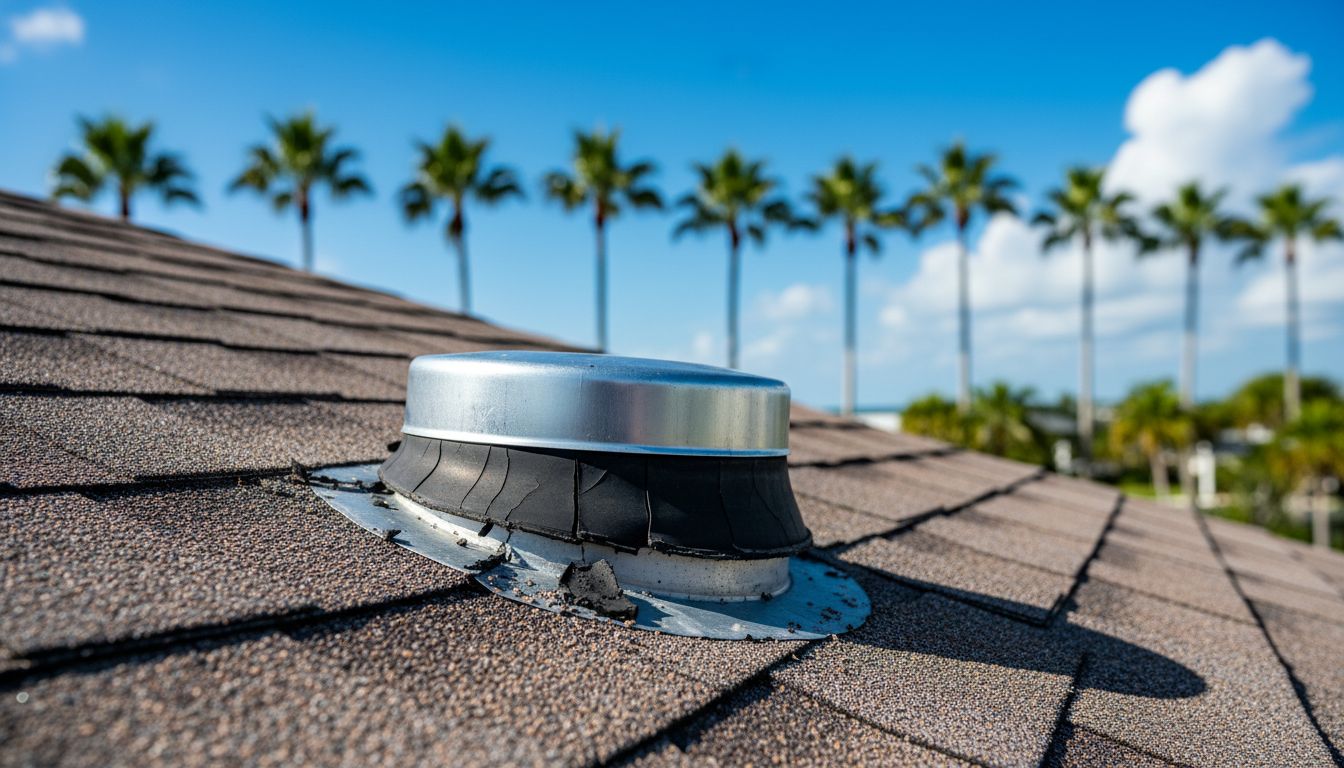
- Pipe boots, skylights, and vents (sealant and flashing condition)
- Attic signs of water staining or damp insulation
For a deeper look at how roofing systems are evaluated after high-wind events, this field investigation overview provides helpful context.
Pros and cons at a glance
- Metal roof pros : long lifespan, strong wind performance when properly attached, low algae hold, good heat reflection.
- Metal roof cons : higher upfront cost, installation quality matters a lot, exposed-fastener systems need ongoing fastener attention.
- Shingle roof pros : lower cost, faster installs, wide style choices, simpler spot repairs early in life.
- Shingle roof cons : shorter coastal lifespan, more vulnerable to uplift, algae streaking and granule loss are common in humid zones.
Best choice by homeowner priority
- Lowest upfront budget : architectural shingle roof , paired with proper nailing, upgraded underlayment in key areas, and strong edge details. Start by reviewing shingle roof costs in Southwest Florida.
- Longest lifespan and fewer replacements : standing seam metal roof (hidden fasteners).
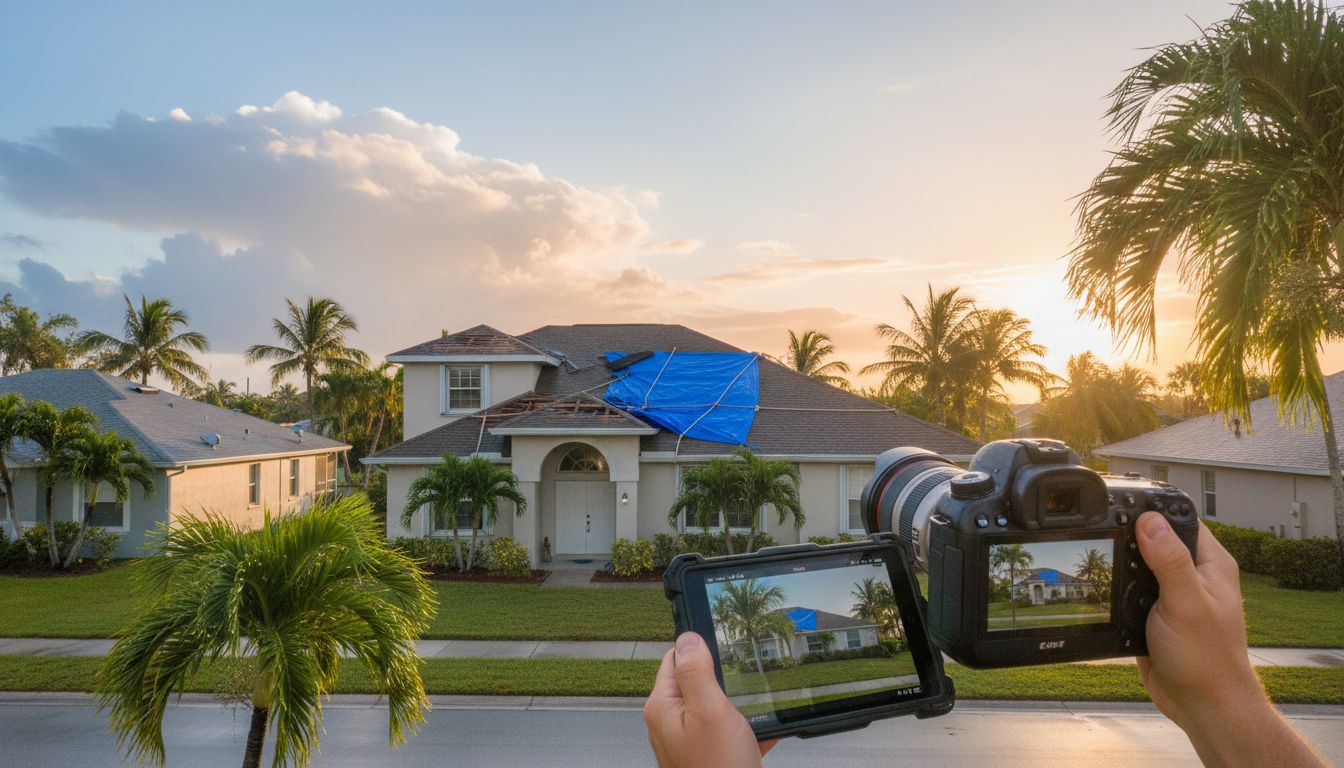
- Insurance and storm documentation focus : prioritize systems with clear approvals, documented installation photos, and a clean final permit closeout. Some owners also ask whether metal can help premiums, this overview on metal roofs and Florida insurance explains how carriers often think about risk.
- Resale and curb appeal : choose what fits the neighborhood, a well-done metal roof, tile roof, or stone coated steel roof can all show well, but only if the details look finished at edges and penetrations.
Disclaimer: Pricing and code requirements vary by county, city, HOA, and community standards, and every roof has different decking and attachment conditions. Get local, written estimates and confirm permitting and product approvals for your address.
Conclusion
Choosing between a shingle roof and a metal roof in Southwest Florida is about more than price tags. It’s about how the system handles heat, salt, and the next big storm, and how often you want to think about your roof again.
A trusted local roofing company should explain attachment, underlayment, ventilation, and edge details in plain language, then back it up with photos and permits. If you’re planning a roof replacement , start with a professional roof inspection , then choose the roof system that matches your budget, risk tolerance, and how long you plan to stay in the home.