A Guide to Shingle Roofs: How Long Do They Last in Florida?
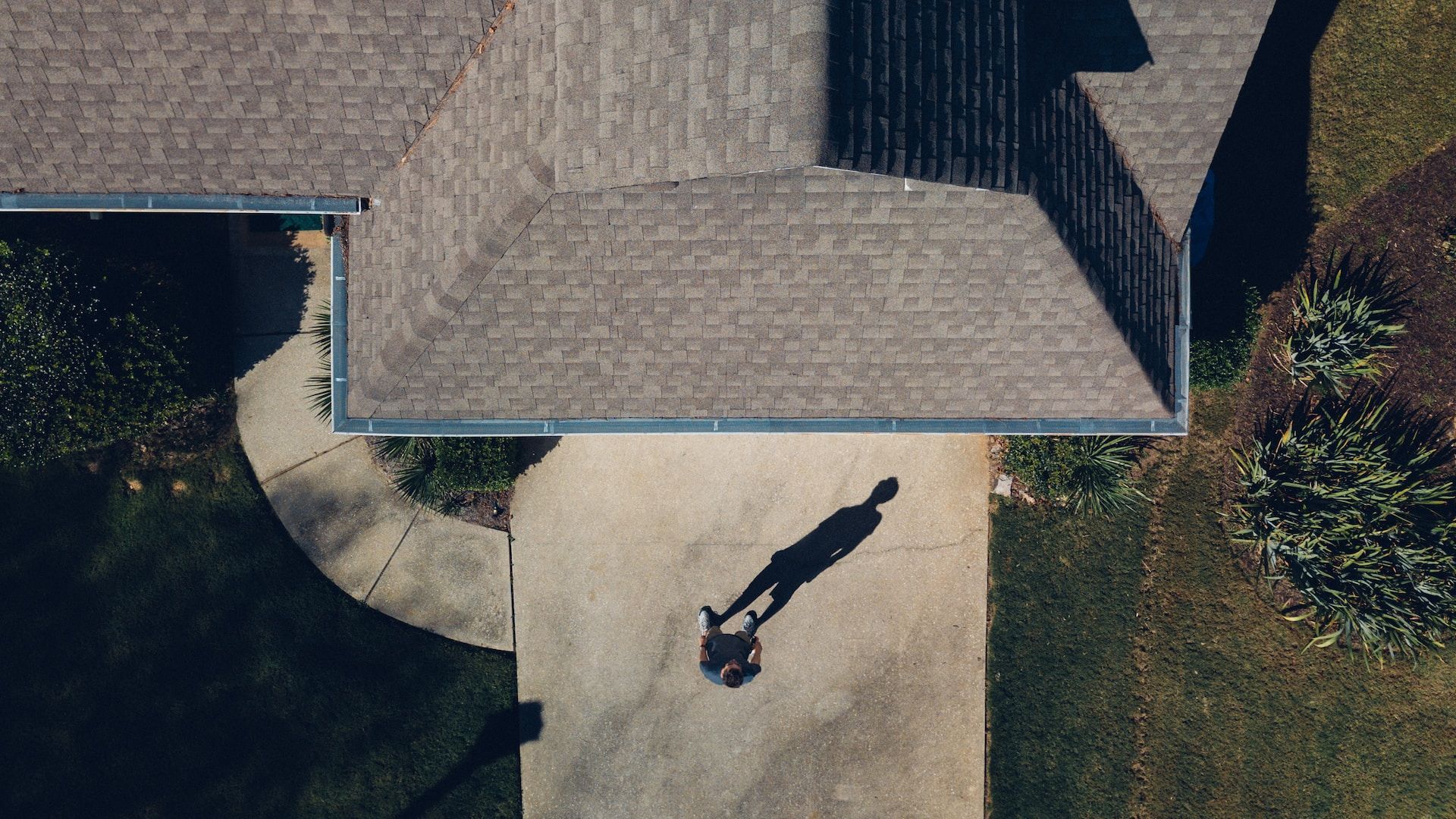
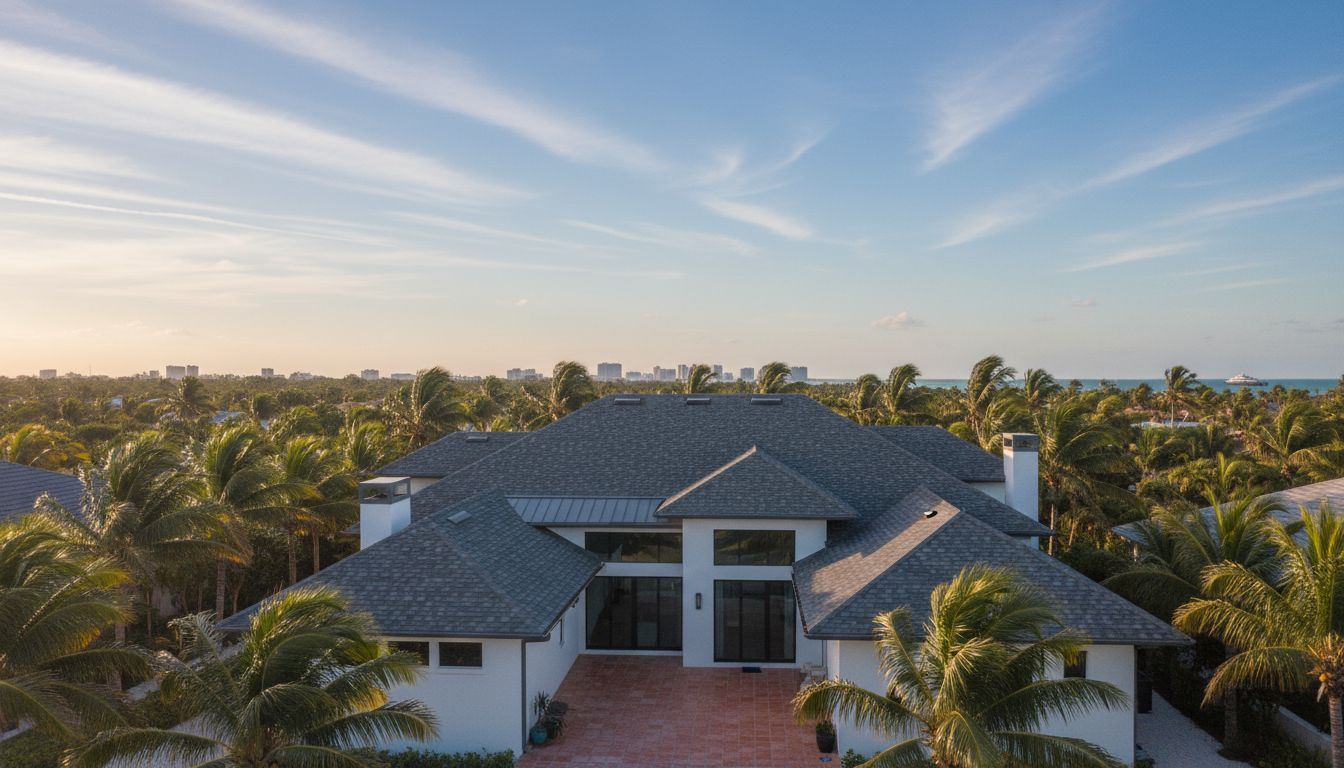
Shingle roofs are a popular roofing option for many homeowners in Florida due to their affordability and durability. However, with Florida's harsh weather conditions, many homeowners may wonder how long their shingle roofs will last before needing replacement. In this article, we will explore the factors that affect the lifespan of a shingle roof in Florida, as well as provide tips on how to extend its life. Whether you are a new homeowner or looking to replace your existing roof, this article will provide valuable insights into the longevity of shingle roofs in Florida.
How Long Does a Shingle Roof Last in Florida?
The lifespan of a shingle roof in Florida can vary depending on several factors. On average, shingle roofs can last anywhere from 15 to 25 years in Florida. However, this can be affected by the following factors:
1. Weather Conditions
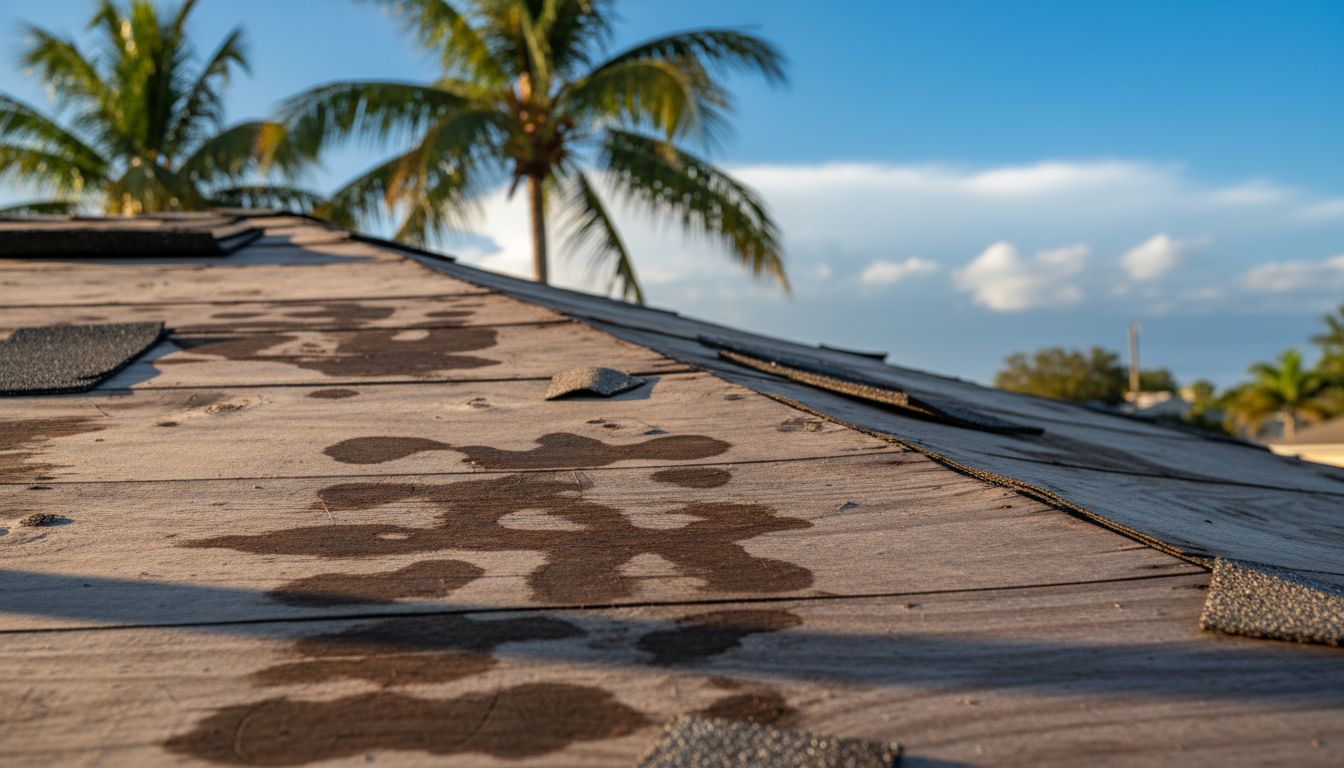
Florida is known for its harsh weather conditions, including heavy rain, strong winds, and hurricanes. These weather events can cause damage to shingle roofs, shortening their lifespan.
2. Installation Quality
The quality of installation can also affect the lifespan of a shingle roof. If the installation is done poorly or with inferior materials, the roof may not last as long.
3. Maintenance
Proper maintenance is crucial to extending the lifespan of a shingle roof. Regular cleaning and inspections can help identify and address any issues before they become major problems.
4. Roof Color
The color of the shingles can also affect their lifespan. Darker shingles absorb more heat, causing them to deteriorate faster than lighter-colored shingles.
How to Extend the Life of a Shingle Roof in Florida
To extend the lifespan of a shingle roof in Florida, here are some tips:
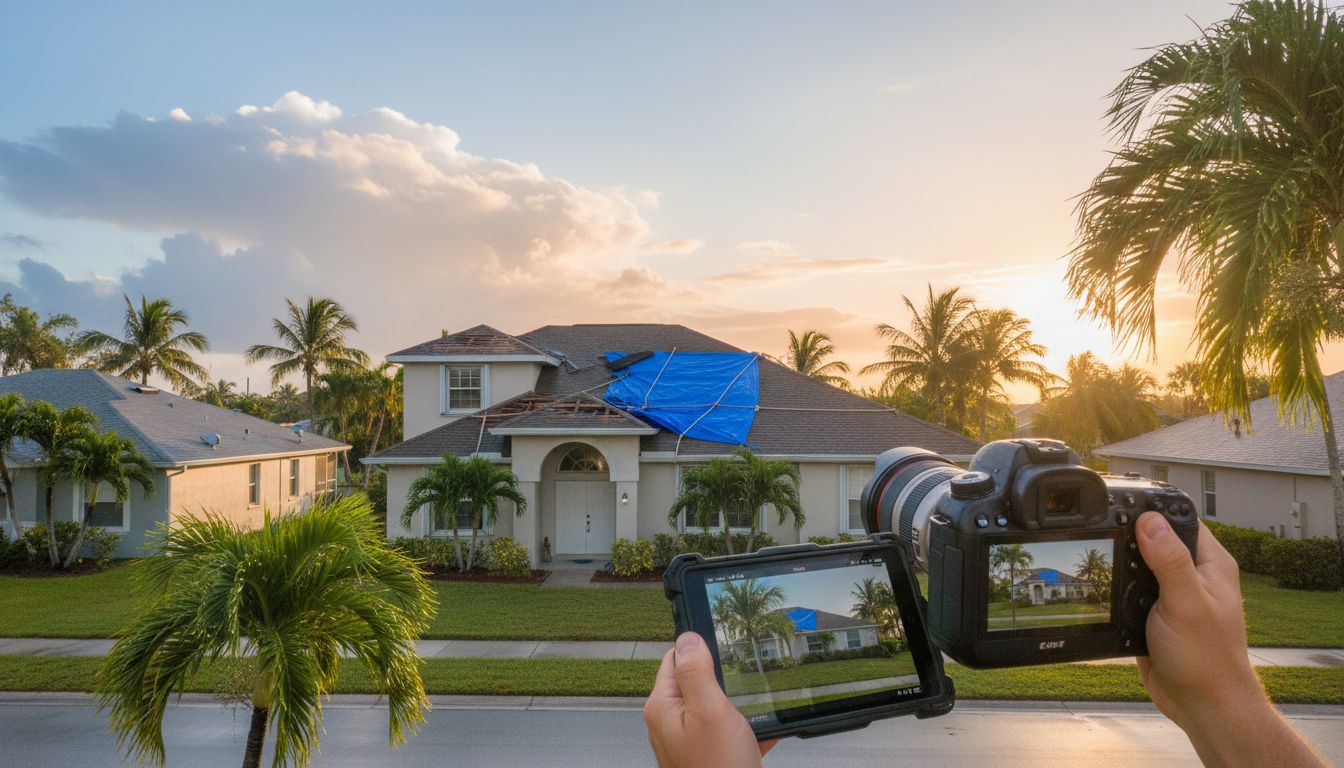
1. Regular Inspections
Have your roof inspected by a professional at least once a year to identify any issues that may need to be addressed.
2. Regular Maintenance
Clean your roof regularly to remove debris and prevent algae or moss growth. Trim any overhanging branches that could damage the roof during high winds.
3. Repair Damage Promptly
Address any damage to the roof promptly to prevent it from becoming a major problem.
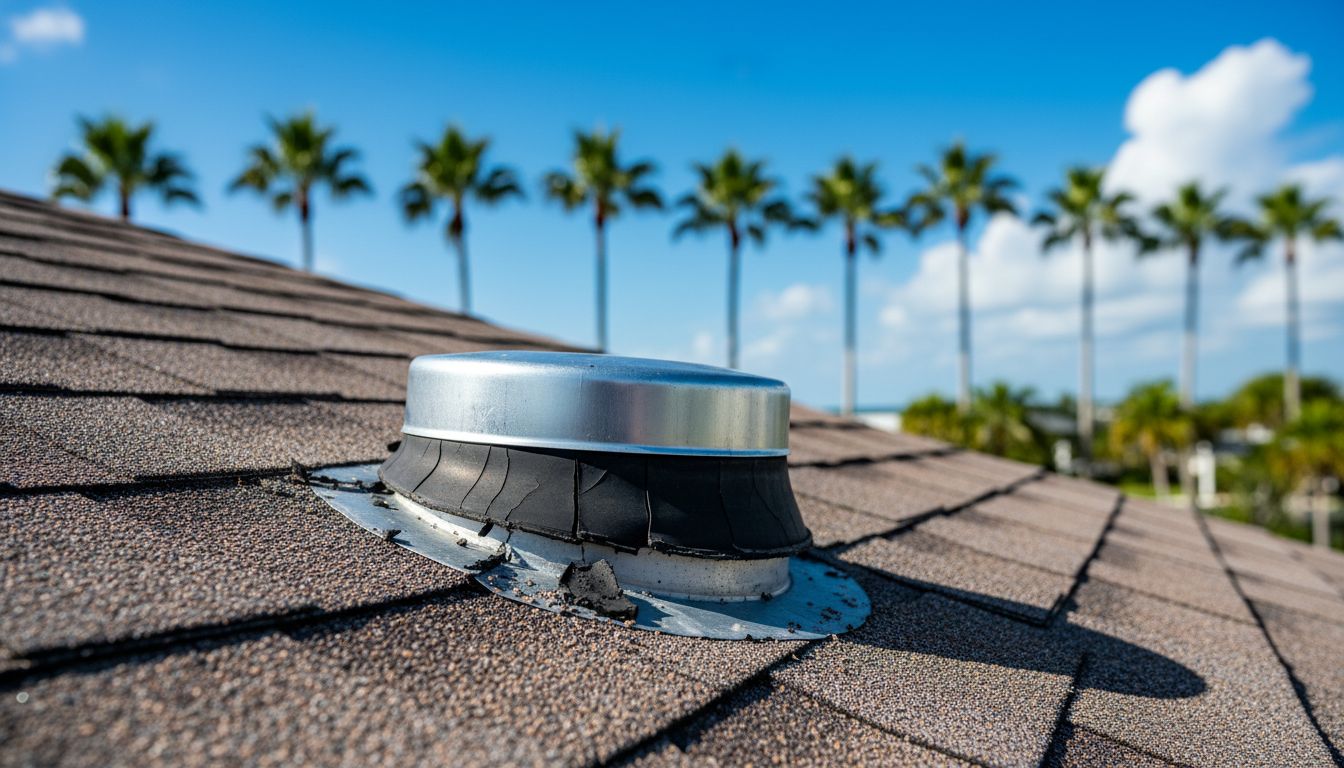
4. Proper Ventilation
Ensure that your roof has proper ventilation to prevent heat buildup, which can damage the shingles.
5. Choose High-Quality Materials
Use high-quality shingles and have them installed by a professional contractor to ensure they last as long as possible.
When to Replace a Shingle Roof
1. Age
If your shingle roof is more than 20 years old, it may be time to consider a replacement.
2. Extensive Damage
If your shingle roof has extensive damage, such as missing or broken shingles, leaks, or rotting, it may be more cost-effective to replace it rather than continually repair it.
3. Energy Efficiency
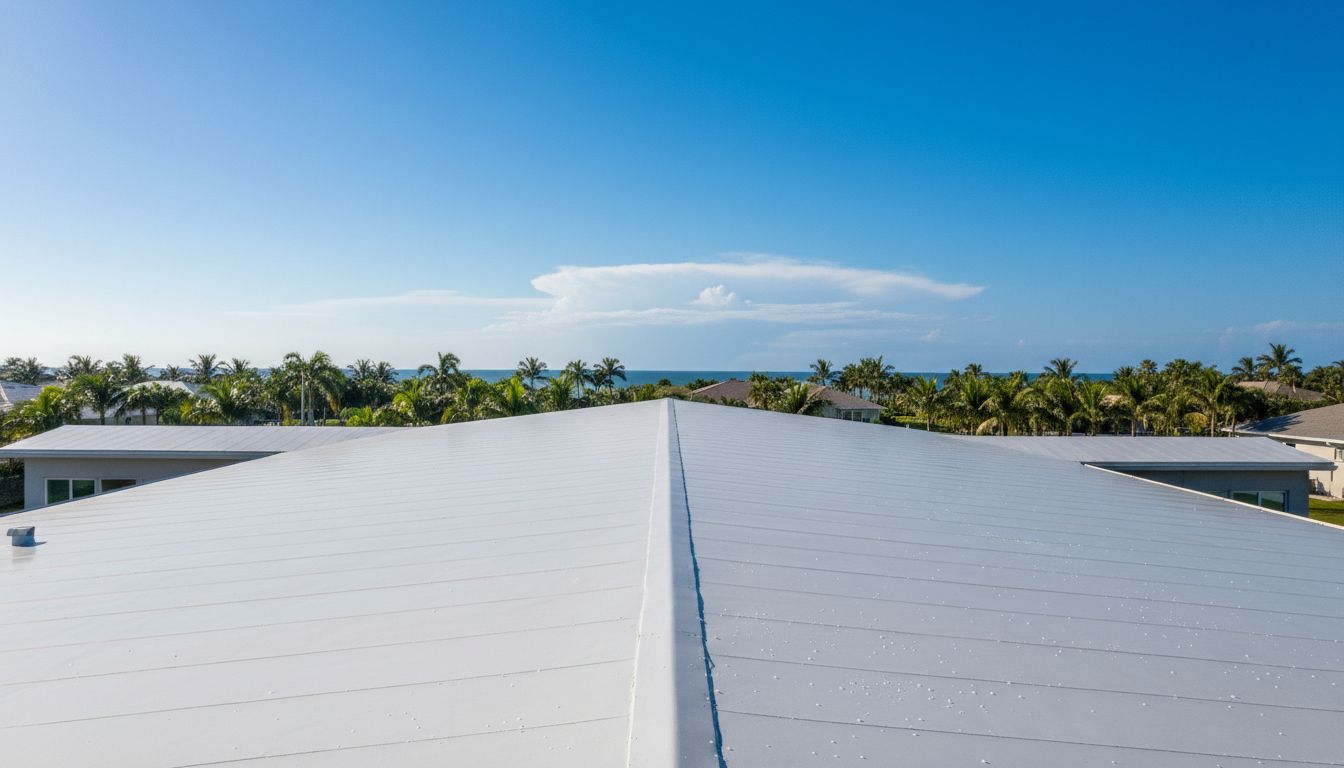
If your shingle roof is not energy-efficient, it may be time to replace it with a more energy-efficient material, such as metal or tile.
4. Home Renovations
If you are renovating your home and changing the exterior appearance, it may be a good time to replace your shingle roof to match the new look.
5. Selling Your Home
If you are planning to sell your home, a new shingle roof can increase its value and appeal to potential buyers.
Conclusion
The life expectancy of a shingle roof in Florida can vary depending on several factors such as the quality of materials used, the installation process, and the level of maintenance provided. However, on average, a shingle roof can last anywhere from 15 to 25 years in Florida's climate. It is important to keep in mind that regular inspections and maintenance can help prolong the lifespan of a shingle roof. Additionally, it is crucial to hire a reputable roofing contractor who can provide quality materials and proper installation techniques. By taking these steps, homeowners can ensure that their shingle roof lasts as long as possible and provides reliable protection for their homes.
If you are looking for a
roofer in Cape Coral, contact Four Peaks Roofing. We service commercial, residential, and multi-tenant units in the Cape Coral, Fort Myers, Naples, and Punta Gorda areas. Contact us and let us know what you need today!