
Roof Decking Replacement In Southwest Florida Signs You Need New Plywood
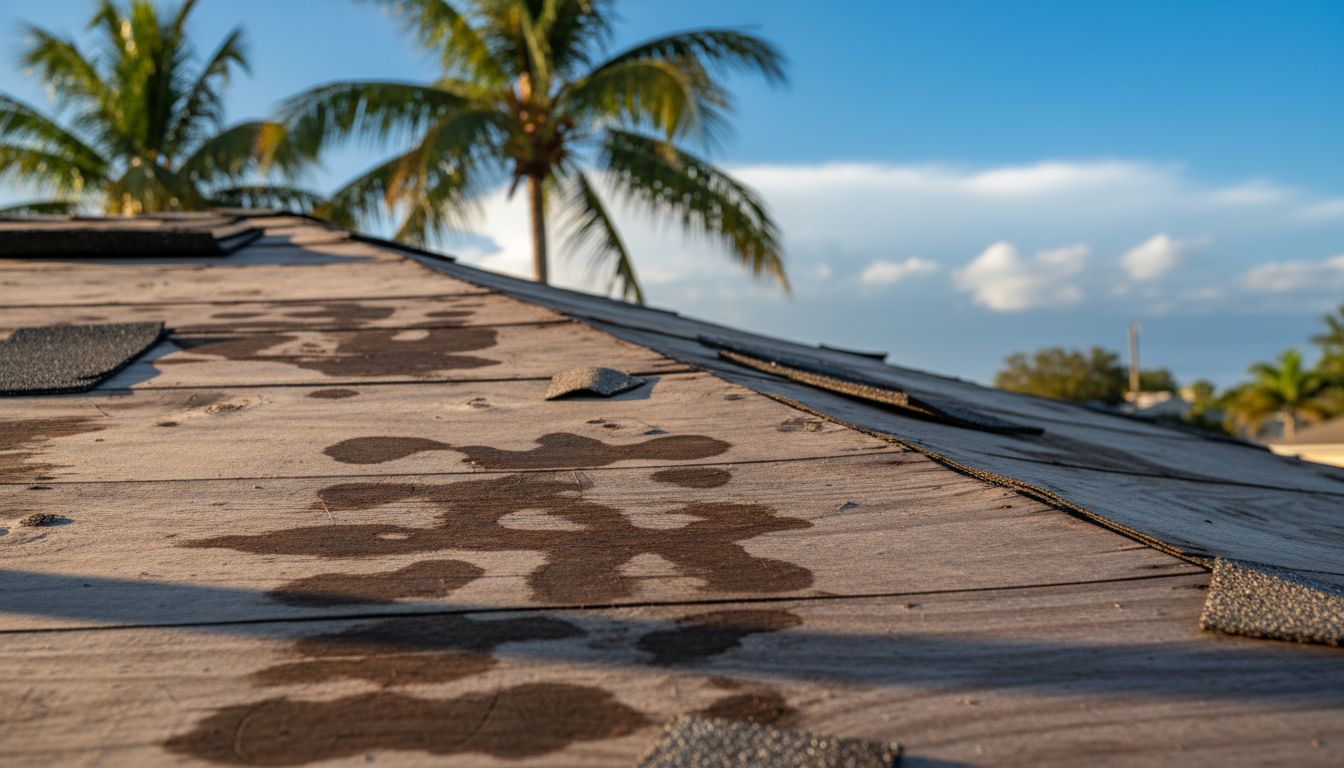
A roof can look "fine" from the driveway and still be failing underneath. In Southwest Florida, storms and daily humidity don't just damage shingles or tiles, they also stress the wood deck that holds everything together.
If you're planning a roof decking replacement during a re-roof, you're not alone. Plywood (and similar roof sheathing) often gets replaced after wind-driven rain, chronic leaks, or years of trapped attic moisture. The goal is simple: get back to a roof that's solid, dry, and ready to handle the next storm season.
Below are practical signs your plywood may be done, plus a safe DIY attic check you can do before calling a roofer.
Why roof decking breaks down faster in Southwest Florida homes
Roof decking is the wood layer fastened to your trusses or rafters. Your roof covering, whether it's a shingle roof, tile roof, metal roof, or stone coated steel roof, depends on that wood staying stiff and well-fastened. When decking softens or delaminates, fasteners lose grip and the roof system weakens.
Southwest Florida adds a few common "accelerators":
Salt air and corrosion near the coast can shorten the life of metal connectors and fasteners. While the plywood itself doesn't rust, the hardware that secures it can suffer in salty, damp air.
High attic heat and humidity also do damage. Hot, moist air can linger in the attic, especially if ventilation is unbalanced or bathroom fans dump moist air into the attic. Over time, that moisture can warp wood and grow mold.
Wind-driven rain is another big factor. After storm uplift, water doesn't need a wide-open hole. It can enter at a lifted edge, a flashing joint, or a ridge detail, then travel along the underside of the deck. If you've ever chased a ceiling stain that doesn't line up with the "suspected" leak, this guide on tracing roof leaks in Cape Coral explains why that happens.
Pest and termite activity can be the quiet one. Termites love damp wood. A slow leak can create a perfect spot for them to work unnoticed.
For broader storm performance context, FEMA's field observations on minimizing wind and water infiltration line up with what roofers see locally: edges, corners, and transitions fail first, then water follows.
If your roof covering is the "skin," the roof deck is the "skeleton." A strong roof replacement starts with sound plywood.
Signs you need roof decking replacement (not just a new roof covering)
Some decking problems show up inside. Others only appear during tear-off. Either way, these are the signals that often point to new plywood.
Here's a quick way to match symptoms to what they can mean:
| What you notice | What it can mean | Why it matters |
|---|---|---|
| Sagging ridge line or wavy roof planes | Soft or weakened decking | Fasteners can't hold under uplift |
| Dark stains on plywood in attic | Past or active leaks | Rot can spread beyond the stain |
| Spongy feel near attic walk paths | Moisture damage or delamination | Deck may not support repair work |
| Rusty nail tips, damp insulation | Ongoing humidity or leaks | Wood stays wet longer than you think |
| Termite tubes or frass on framing/deck | Wood-destroying pests | Structural loss can be hidden |
A few more common "real life" clues:
- Recurring leaks after repairs : If you've patched the same area twice, the issue may be underneath. A roofer may recommend roof decking replacement in that zone during the next roof replacement.
- Nail pops and loose fasteners : On a shingle roof, you might see popped nails telegraphing through. On a metal roof (especially exposed-fastener systems), backed-out screws can hint at movement below.
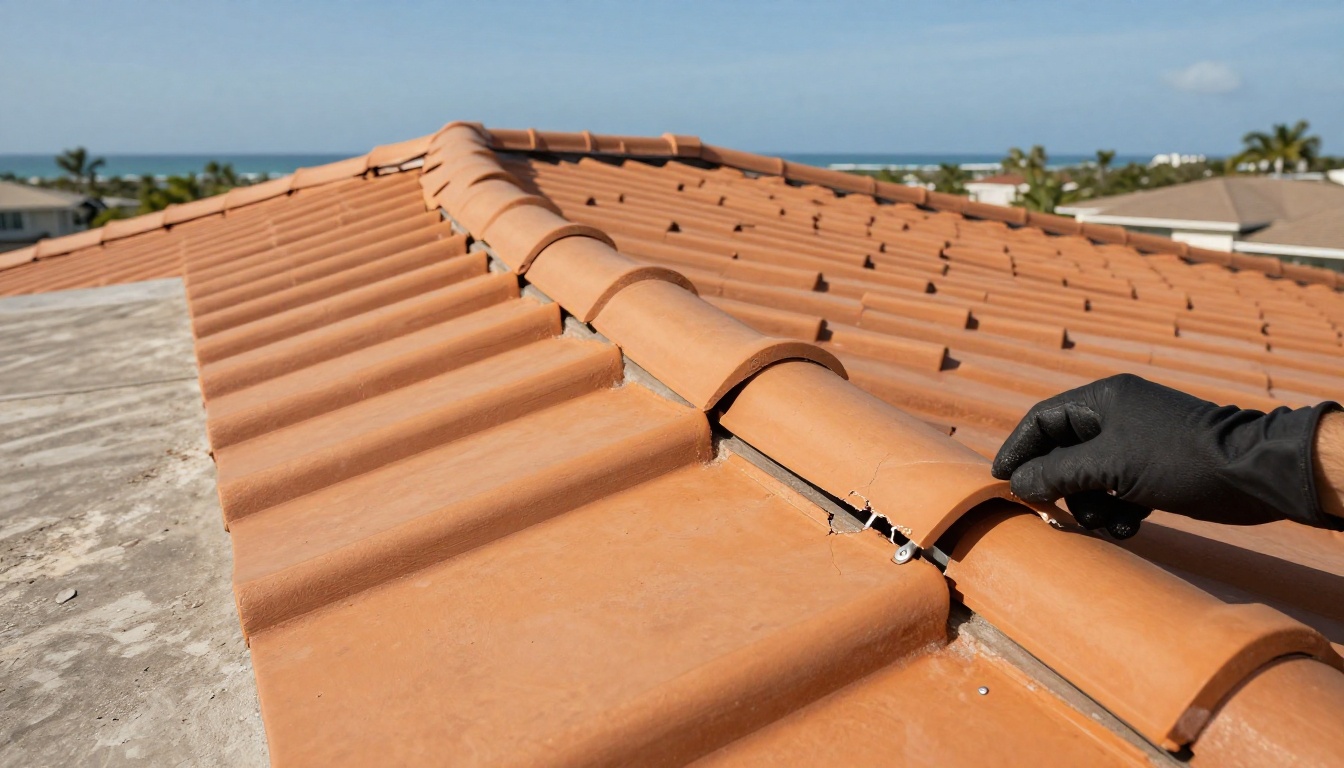
- Cracked tile patterns after storms : A tile roof can break from impact, but widespread "random" cracking can also happen when the substrate flexes.
- Moldy, musty attic smell : That odor often means chronic moisture. Wood can lose strength long before it looks "rotten."
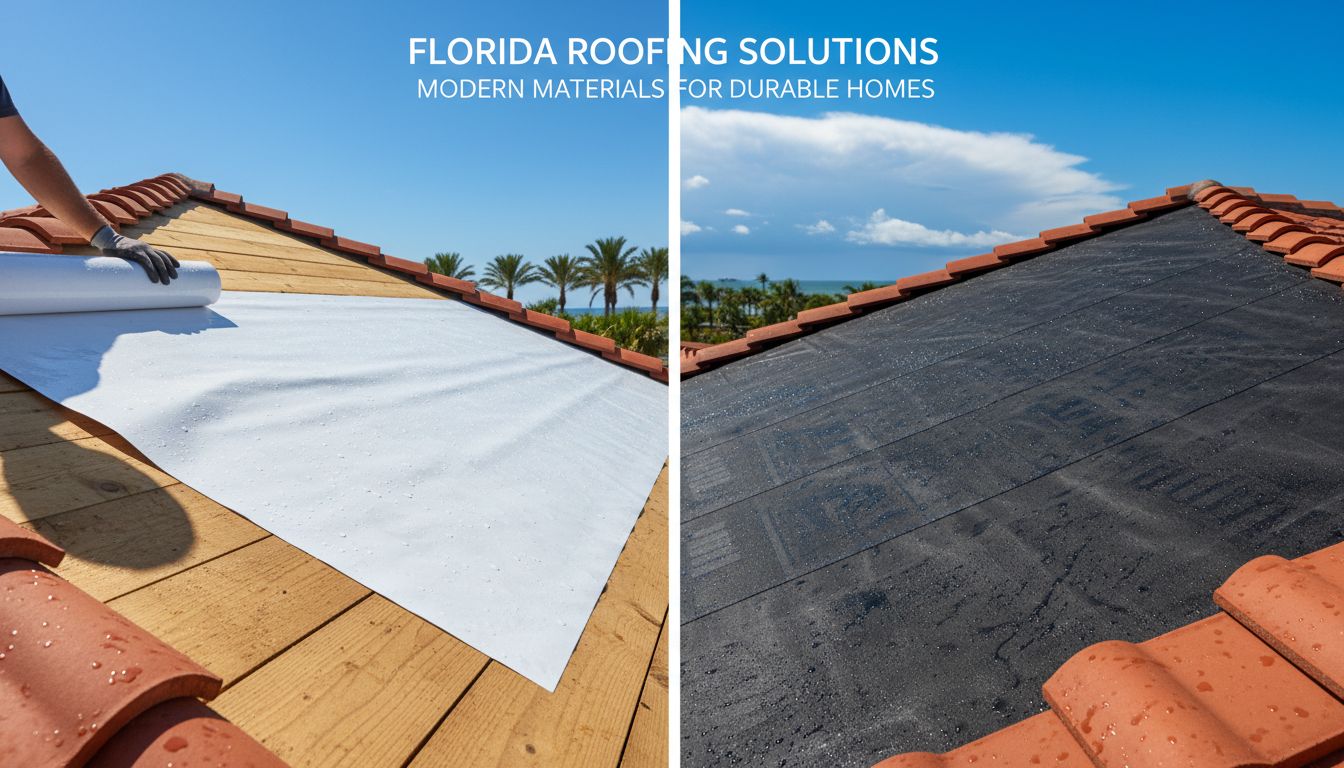
During a professional roof inspection, a good roofer looks at the deck from inside, then verifies what's solid when sections are opened. They also talk through water protection upgrades, like a secondary barrier at the deck. If you're comparing options, this explainer on secondary water barrier layers helps you understand what should happen before the new roof covering goes on.
DIY attic inspection for plywood damage (what to do, what to photograph)
You don't need to be a roofing company to collect useful information. You do need to be careful, because attics can be dangerous in Florida.
Safety cautions before you climb
Go in daylight, and avoid the attic during peak heat. Wear long sleeves, gloves, and eye protection. Bring a bright flashlight and your phone.
Stay on framing members or stable walk boards only. Drywall ceilings won't hold your weight. Also, stop if you see active electrical hazards or standing water.
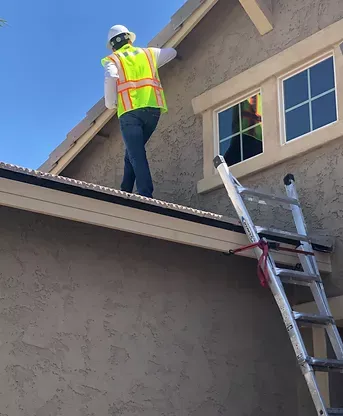
Don't walk on the roof to "test" for soft spots, especially on a tile roof. A fall or a broken tile costs more than an inspection.
Step-by-step attic check (10 to 15 minutes)
- Start at the attic access and scan for obvious wet insulation, dark wood, or daylight.
- Follow the path above problem rooms , starting at the highest point above the stain, then moving upslope.
- Check around penetrations (vents, bath fan ducts, skylight chases). Leaks often start here.
- Look for plywood delamination , which can look like swollen edges or peeling layers.
- Notice fasteners . Rusty nail tips, black halos, or damp wood around nails can signal chronic moisture.
- Scan for pests , including termite tubes on wood and small piles of frass.
What to photograph for your roofer or insurance
Take wide shots and close-ups, and include something for scale (your hand, a tape measure, or a flashlight).
Focus on:
- Stained plywood (shoot from multiple angles)
- Any visible gaps, cracks, or daylight
- Wet insulation and the area around it
- Roof penetrations and their surrounding wood
- Termite tubes or damaged wood fibers
- Ceiling stains directly below the suspected area
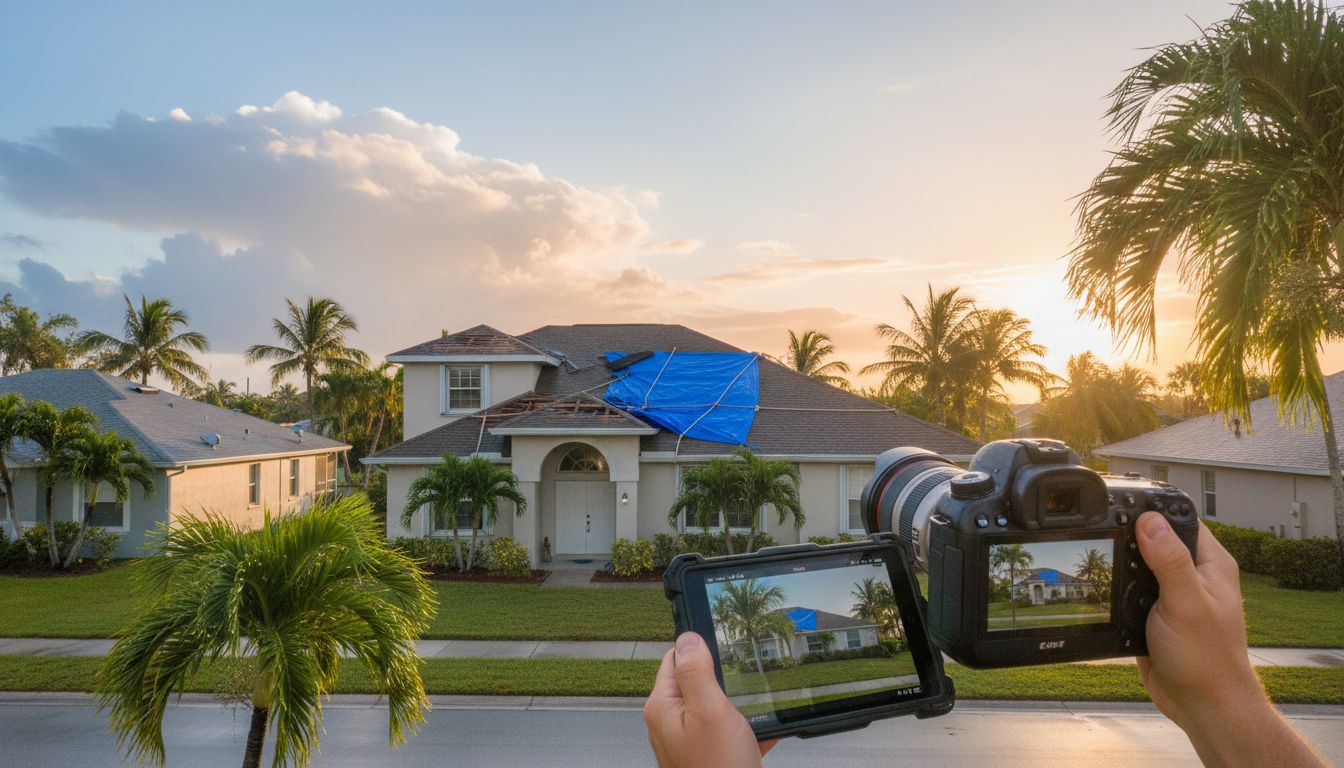
If the damage is storm-related, document quickly, then protect the home. This guide on emergency roof tarping after storm damage explains what to do in the first day without taking unsafe risks.
When to call a pro immediately
Keep this section simple. If any of these are true, pause the DIY work and call a licensed roofer:
- Active dripping during rain
- Sagging decking or a "spongy" feel in attic walk areas
- Mold growth covering multiple areas
- Termite activity near wet wood
- Damage after a major wind event, especially if you're considering a full roof replacement
- Any commercial roof area, flat roof section, or mixed rooflines where drainage and transitions get complex
If you're dealing with an insurance claim, it also helps to understand how larger repair thresholds can trigger more extensive replacement requirements. Citizens provides a plain-language reference on evaluating roof damage and repair thresholds. Requirements vary by jurisdiction, so confirm details with your local building department and your contractor.
For homeowners who want retrofit ideas that reduce future storm losses, FEMA's Wind Retrofit Guide (P-804) is a helpful overview.
Conclusion
Roof decking problems rarely start as a big dramatic failure. More often, they build slowly from wind-driven rain, humid attics, salt air, and pests. A smart roof inspection helps you decide whether you need a small deck repair or full roof decking replacement as part of a roof replacement. If you're comparing systems, remember that every roof type, from a shingle roof to a metal roof, tile roof, stone coated steel roof, or flat roof, needs solid plywood underneath. The next step is simple: document what you see, then have a trusted roofer confirm the deck condition and write a clear plan you can rely on from a local roofing company.