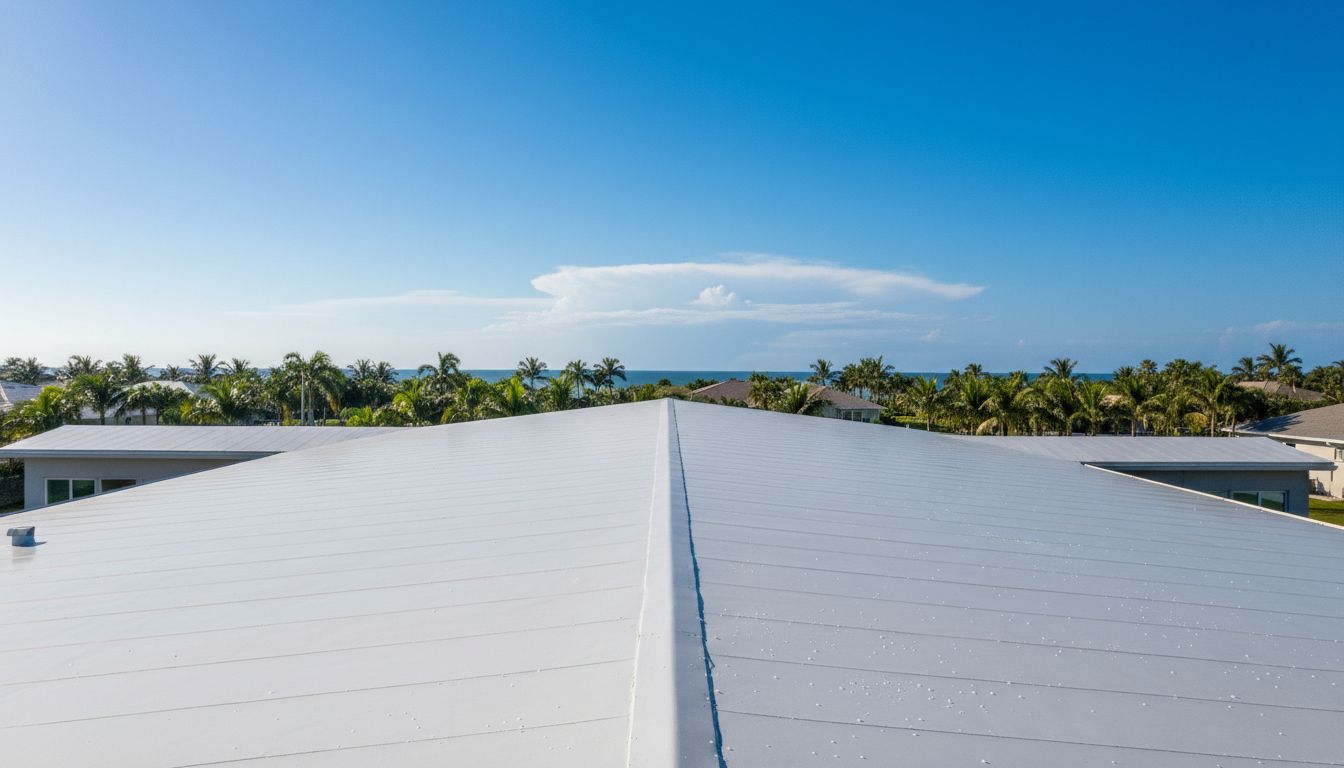

Asphalt Shingle Roofs in Southwest Florida: Built for High Winds
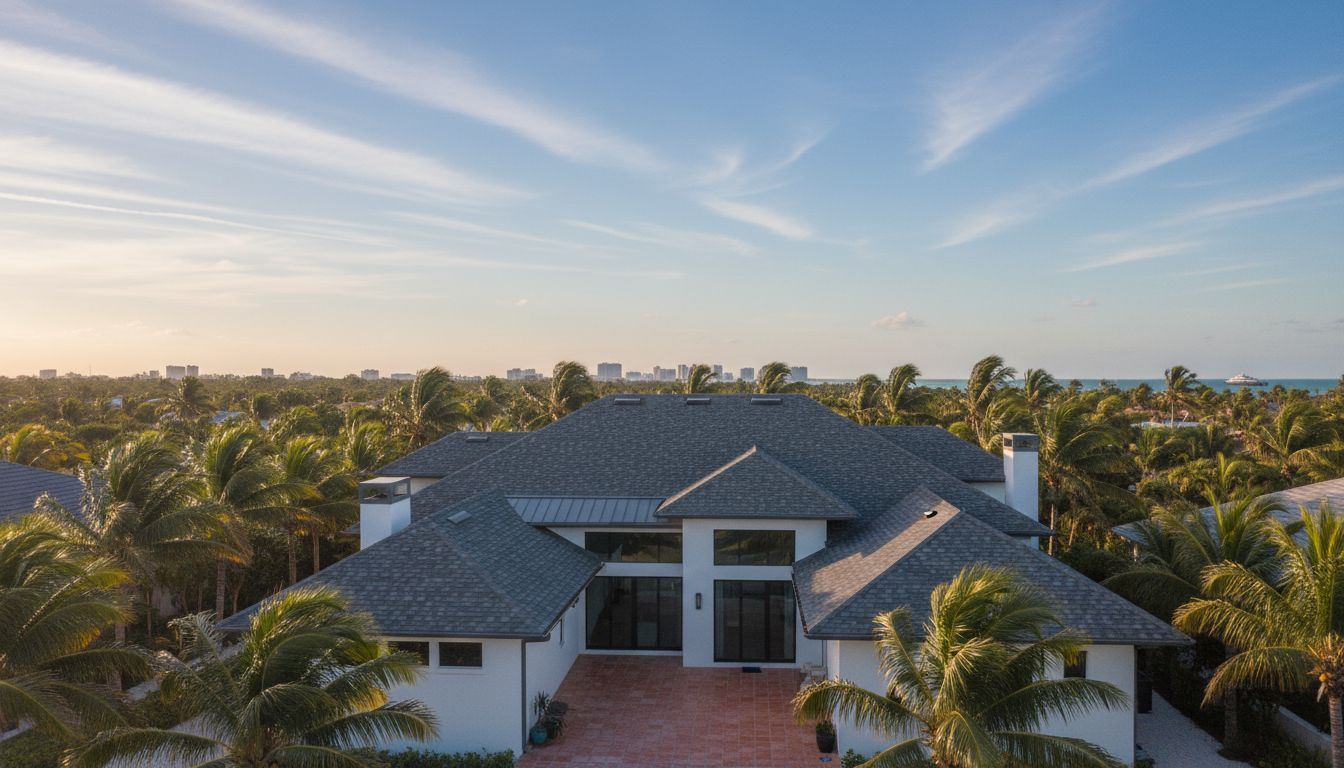
If you live in Lee, Collier, Charlotte, or Sarasota County, you already know the wind doesn't "visit" politely. It tests every edge, every nail, every seam. That's why asphalt shingle roofs can't be judged by a wind number on a wrapper alone.
The bottom line is simple: high-wind performance depends on the entire roof system and the installer's details. A great shingle on a weak deck, or with rushed nailing, can fail early. On the other hand, a well-built shingle roof can be a solid, cost-effective choice in Southwest Florida.
Before you sign a contract, get clear on what matters, what to verify, and what to avoid.
High winds in Southwest Florida: what the code and approvals really mean
Southwest Florida sits in the Wind-Borne Debris Region, and typical homes (Risk Category II) often fall in a 130 to 150 mph ultimate wind speed range, depending on the exact site and exposure. You're not in the High-Velocity Hurricane Zone (HVHZ) unless you're in Miami-Dade or Broward, but local wind pressures can still be severe, especially near open water.
Instead of chasing the highest advertised "mph shingle," focus on three checkpoints:
First, confirm the roof covering is approved for Florida. In practice, that means the shingles and accessories should have Florida Product Approval (an FL#) and be installed exactly as the approval and manufacturer instructions require. Product approval is about tested assemblies and allowed methods, not marketing.
Second, understand that the Florida Building Code puts heavy emphasis on roof assembly details that control water intrusion after wind damage. The Florida Building Commission's summary on roofing changes highlights how underlayment and sealed roof deck practices help reduce wind-driven rain damage (see the Florida Building Commission roofing fact sheet).
Third, know what "Miami-Dade NOA" is and what it isn't. A Miami-Dade Notice of Acceptance can be a strong signal a product passed tough testing, but it's not automatically required in Southwest Florida. It's also not a substitute for correct installation. If you want to look up approvals, the county database is public (use the Miami-Dade NOA search portal).
A "high-wind shingle" only performs like a high-wind shingle when the deck, underlayment, edges, and fastening match the tested system.
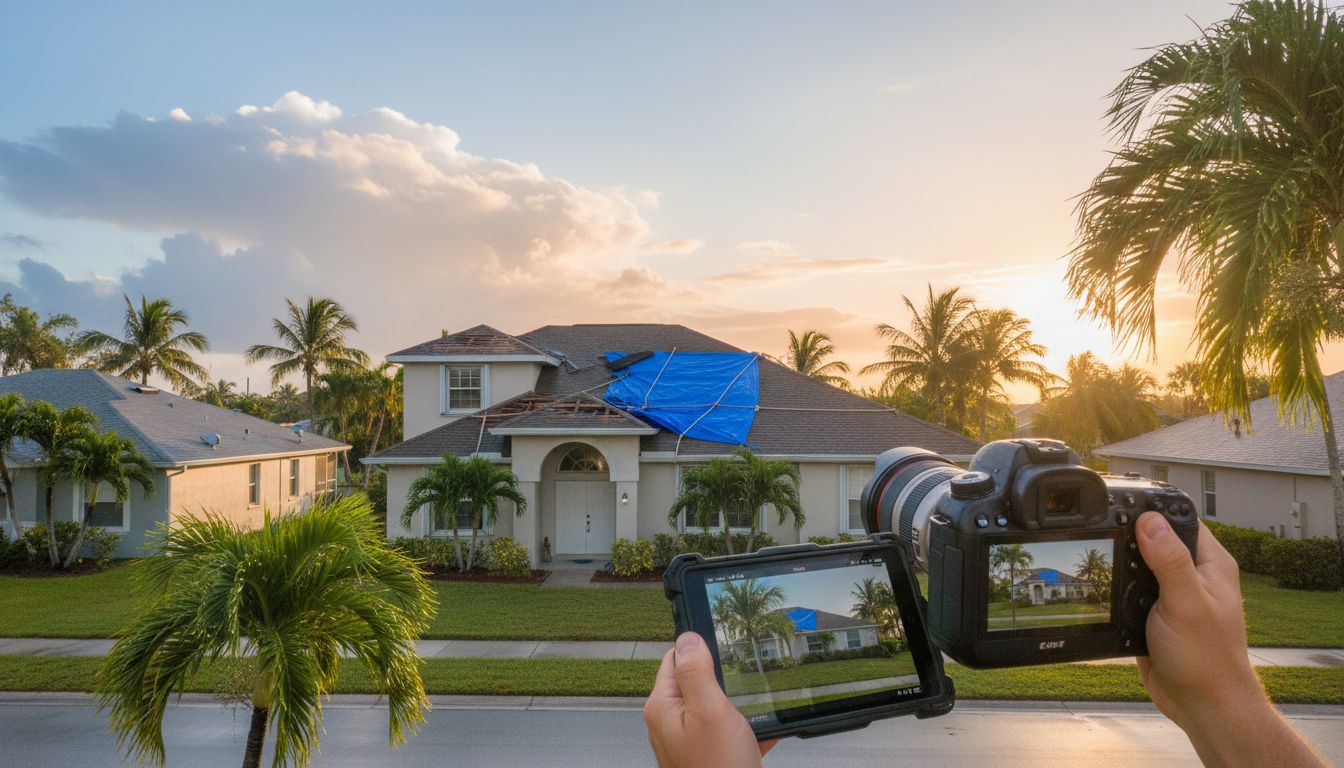
If you're also thinking about insurance credits, it helps to learn how inspectors document roof features for wind mitigation. This guide on Florida wind mitigation reports for shingle roofs explains what gets verified and why photos matter.
What makes asphalt shingles survive high winds (and what usually fails)
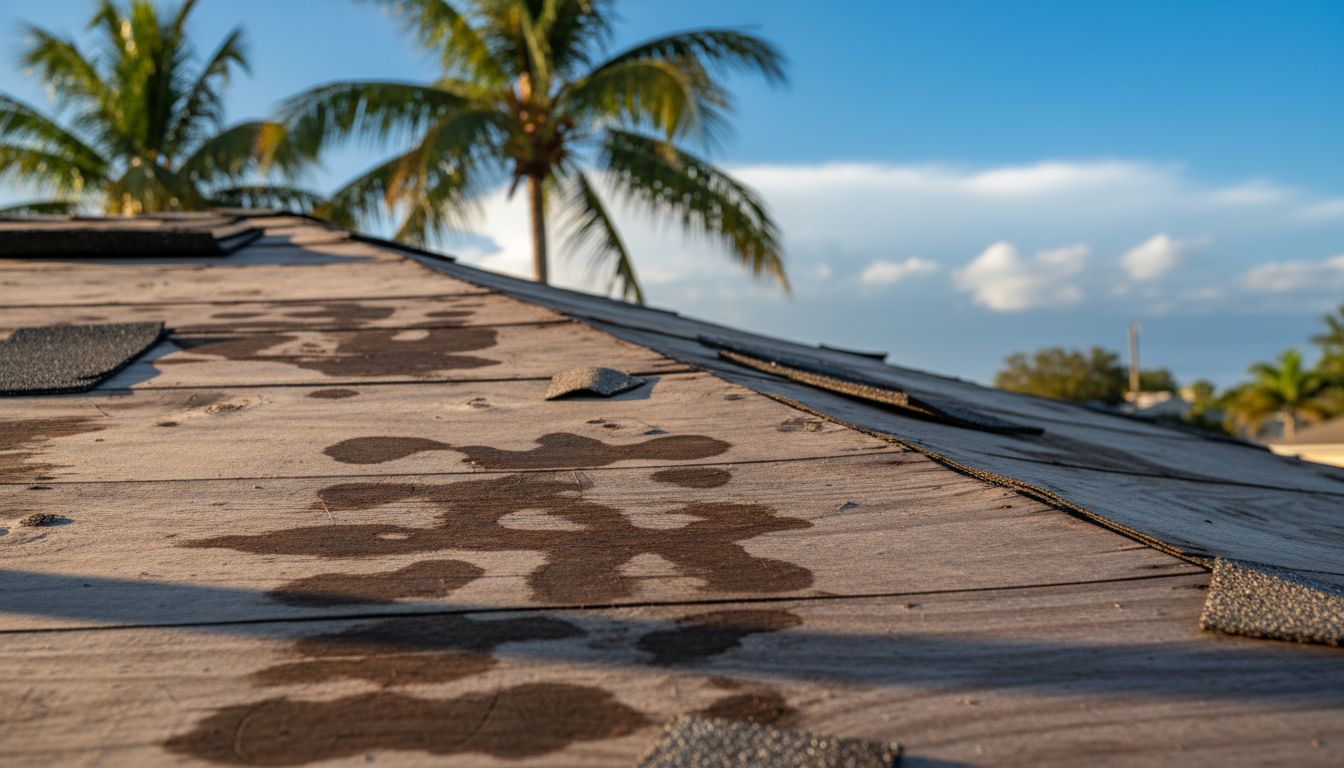
Think of a roof like a chain. Wind looks for the weakest link, then it pulls. For asphalt shingles, failures usually start at the perimeter, ridges, and poorly sealed areas.
These system details do most of the heavy lifting in storms:
Roof deck and attachment: Shingles don't attach to "the house," they attach to the roof deck. If the decking is thin, soft, or poorly fastened, uplift forces can escalate fast. A quality roofer checks decking condition during a roof inspection, then re-nails or replaces decking where code and conditions require.
Underlayment and secondary water protection: When shingles lift or blow off, underlayment becomes your last line of defense. Southwest Florida storms push rain sideways, so details at laps, valleys, and edges matter. FEMA's guidance is blunt about this: ratings help you choose, but installation practices drive real-world performance (see FEMA's asphalt shingle roofing for high-wind regions).
Nailing pattern and starter strip: Many shingles reach their tested wind class only with a specific nail count, placement, and starter method. Cutting nails or "eyeballing" placement can void the very rating you paid for. Manufacturer bulletins spell out the testing standards and how Florida ties wind class to code requirements, for example GAF's Florida asphalt shingle wind ratings bulletin.
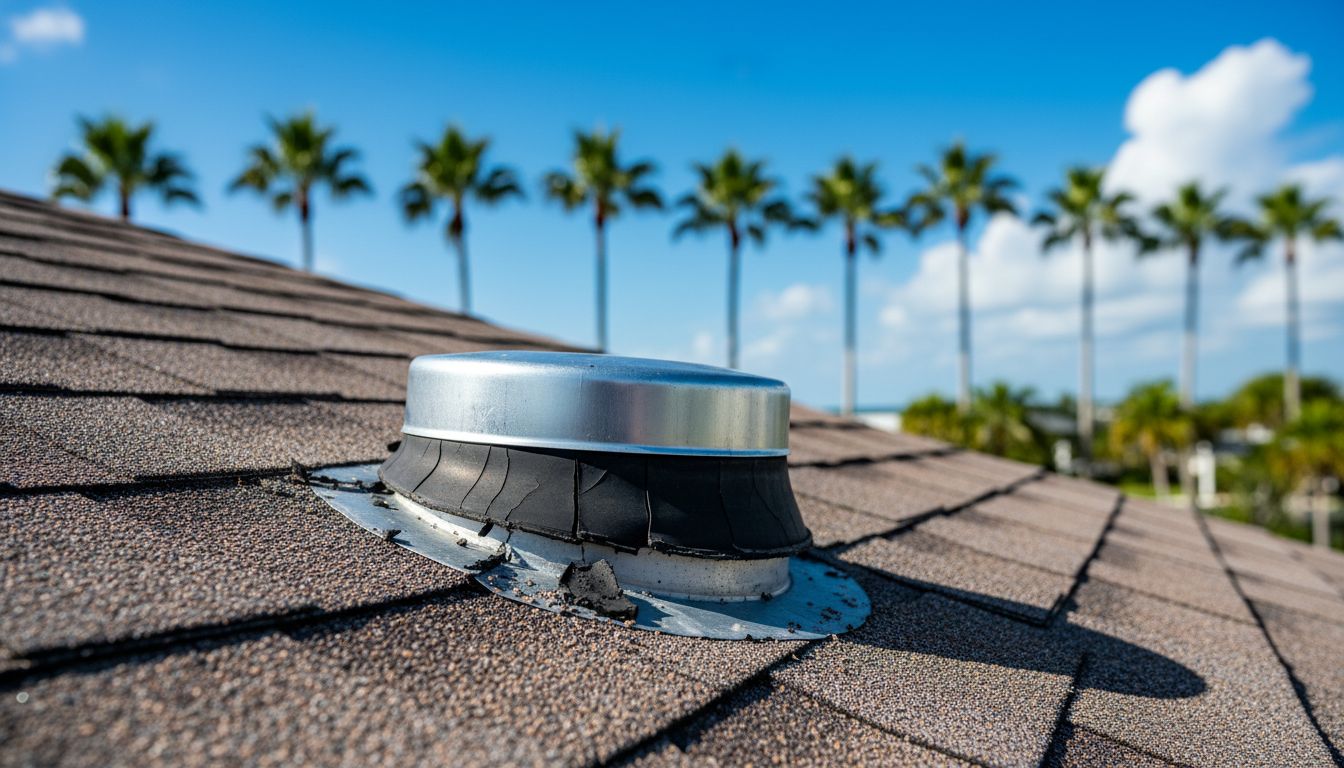
Hip, ridge, and edge metal: Wind loves edges. Drip edge, rake metal, ridge caps, and ventilation terminations must be fastened and sealed correctly. When shingles fail in strips, it often starts with a weak starter line, loose edge metal, or poorly secured ridge caps.
If you want a practical view of how a roofing company should control quality from tear-off to final walkthrough, review a quality asphalt shingle installation process. It's easier to compare bids when you know the steps that shouldn't be skipped.
Coastal Southwest Florida factors: salt, heat, UV, and algae
A roof in Cape Coral or Fort Myers isn't living the same life as a roof inland. Salt haze rides the wind, sun bakes the surface daily, and humidity feeds algae. Those forces can shorten the life of a shingle roof when the wrong accessories or metals are used.
Here's a quick, practical comparison of common systems you'll see in Southwest Florida, including homes and light commercial properties:
| Roof type | High-wind strengths | Common weak points | Best fit in SWFL |
|---|---|---|---|
| Asphalt shingle roof | Lower upfront cost, easy repairs early | Edge uplift, adhesive failure if installed wrong | Many neighborhoods, budget-focused roof replacement |
| Metal roof | Strong wind performance when engineered | Wrong fasteners can corrode, edge details matter | Long-term owners, coastal exposure |
| Tile roof | Long service life, good heat performance | Breakage, underlayment aging, hard repairs | Higher-end homes, structure must support weight |
| Stone coated steel roof | Steel strength with textured look | Must use corrosion-resistant accessories | Homeowners wanting durability without tile weight |
| Flat roof (common on additions) | Works well with correct membrane and drainage | Ponding water, seam issues, edge terminations | Portions of homes, many commercial roof layouts |
Coastal material choices matter as much as the field shingles. Ask about corrosion resistance at every exposed point: drip edge, valley metal, nails, pipe flashings, and vent terminations. In salt air, upgraded fasteners and compatible metals can prevent early rust stains and premature failures.
Algae is another local reality. Dark streaks often come from airborne organisms, not "dirt." If appearance matters, ask about algae-resistant shingle options and safe cleaning methods. Also, don't ignore attic heat. Poor ventilation can cook shingles from below and raise cooling costs. Regular maintenance checks can catch these issues early. This article on regular roof inspections Southwest Florida lays out a practical schedule.
Hiring a roofer for high-wind shingles: what to ask, what to verify, red flags
A strong roof starts with a qualified roofer, not a sales pitch. In Southwest Florida, a good contractor should welcome technical questions because the answers protect both of you.
Here are the questions worth asking before you commit to a roof replacement:
- Which Florida Product Approval (FL#) applies to the shingles, underlayment, starter, ridge cap, and ventilation you're proposing?
- What is the exact nailing pattern (nails per shingle, nail placement, and nail type) required for the wind rating?
- How will you handle edge details (drip edge, rake, starter strip, and sealing)?
- What will you document for permits and future insurance (photos of deck condition, re-nailing, underlayment, and final installation)?
- Who pulls the permit, and what inspections occur before final closeout?
Next, verify the paperwork like you'd verify a car title. Your permit record and inspection sign-offs often become your proof later, especially for insurance and resale.
Watch for these red flags:
- A bid that talks only about "130-mph shingles," with no mention of deck attachment, underlayment, or edge metal.
- Refusal to show product approvals, instructions, or the exact accessory system.
- Pressure to skip permit steps "to save time."
- Vague language like "we nail it to code" without stating nail count and placement.
If a contractor can't explain the system, they probably can't build it consistently.
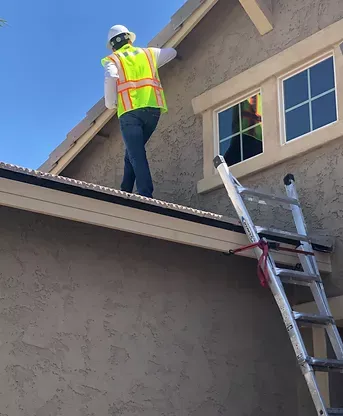
Safety note: don't climb the roof to check workmanship. Ask for photos and attic documentation instead. For design-wind requirements and code compliance on your specific home, consult a licensed Florida roofing contractor, and when conditions warrant, a Florida engineer.
Conclusion
In Southwest Florida, asphalt shingle roofs can perform well in high winds, but only when the full system is built right. Focus on approvals, installation details, and documentation, not just a wind rating. With a careful roofer, a consistent permit process, and a routine roof inspection plan, you'll get a shingle roof that holds up far better when the weather turns.