
"Florida Roof Warranty Basics (2026), Workmanship vs. Manufacturer Coverage, What Homeowners Should Get in Writing"
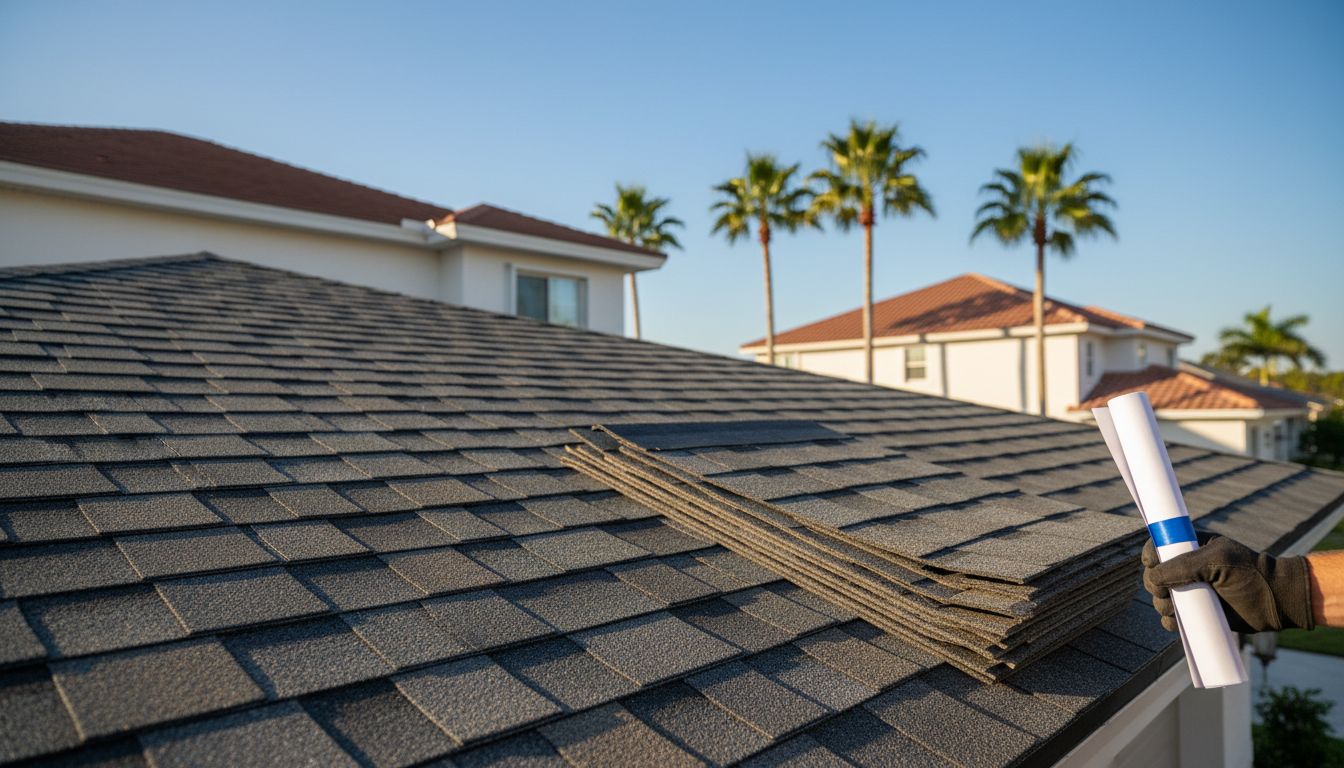
A Florida roof warranty can sound simple until a leak shows up after a summer storm. Then you learn fast that not all warranties cover the same things, and some only apply if you can prove you followed the rules.
In 2026, the smartest move is to treat your warranty like a seatbelt. It only helps if it's real, installed right, and documented. This guide breaks down workmanship vs. manufacturer coverage, what can void protection, and the paperwork Florida homeowners should insist on before (and after) a repair or roof replacement.
Non-legal-advice disclaimer: This article shares general roofing and warranty information for Florida homeowners. It isn't legal advice, and it doesn't replace your contract, insurance policy, or manufacturer terms.
What a Florida roof warranty usually covers in 2026 (and what it doesn't)
Most roofs come with two separate promises, and they rarely overlap:
- Manufacturer coverage applies to the roofing products themselves (shingles, tile, metal panels, underlayment, coatings, accessories).
- Workmanship coverage comes from the roofer or roofing company, and it applies to installation errors.
That split matters in Florida because our failures are often "system" problems. Wind-driven rain finds weak flashing, salt air attacks the wrong fasteners, and poor attic airflow bakes materials from below. A warranty claim usually turns into one big question: was it a bad product, or a bad install?
In addition, code and permitting paperwork can affect how smoothly a claim goes. Florida's building code updates rolling into late 2026 raise the bar on re-roofs in many areas, often requiring tear-off to the deck and code-compliant attachment and underlayment practices when conditions trigger it. Repair-versus-replacement decisions can also hinge on the "25% rule" concept used across Florida jurisdictions, where larger areas of work within a year may require a full roof replacement to current standards. Local rules vary, so permits and inspection records matter.
If you want a practical, Florida-specific view of how timing, permits, and inspections fit into a reroof, see the roof replacement process in Southwest Florida.
After hurricanes, warranty confusion spikes because storm damage, insurance claims, and contractor scams all collide. Florida DBPR's consumer resources are worth bookmarking, especially the DBPR hurricane repair guidance.
A warranty is only as strong as your paperwork. If you can't show what was installed and who installed it, you're already behind.
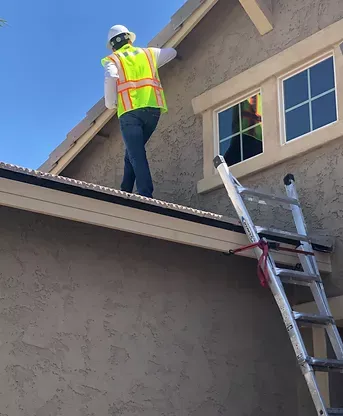
Routine documentation also starts with maintenance. Regular photos and a dated roof inspection report make it easier to separate storm damage from long-term wear. For Southwest Florida owners, regular roof inspections are one of the simplest ways to protect both your roof and your future claim.
Workmanship vs. manufacturer coverage: the difference that decides most claims
Homeowners often assume a "20-year warranty" means labor and materials for 20 years. In reality, that number is usually a manufacturer term with pages of conditions. Workmanship is separate, and it's often shorter.
Here's the cleanest way to compare them.
| Warranty type | Who backs it | What it's meant to cover | Common limits | What can void it |
|---|---|---|---|---|
| Workmanship warranty | Your roofer or roofing company | Leaks or failures caused by installation mistakes (flashing, fastening, transitions, penetrations) | Often limited term, sometimes limited to certain details or areas | Unapproved roof modifications, poor maintenance, other trades damaging the roof, excluded weather events (per contract) |
| Manufacturer warranty | The product maker | Defects in materials (premature failure, manufacturing issues) | Often prorated over time, may exclude labor unless you bought an enhanced system warranty | Wrong accessories, improper ventilation, improper installation method, incompatible materials, failure to register (if required), corrosive environments excluded by terms |
The roof type changes how these warranties play out:
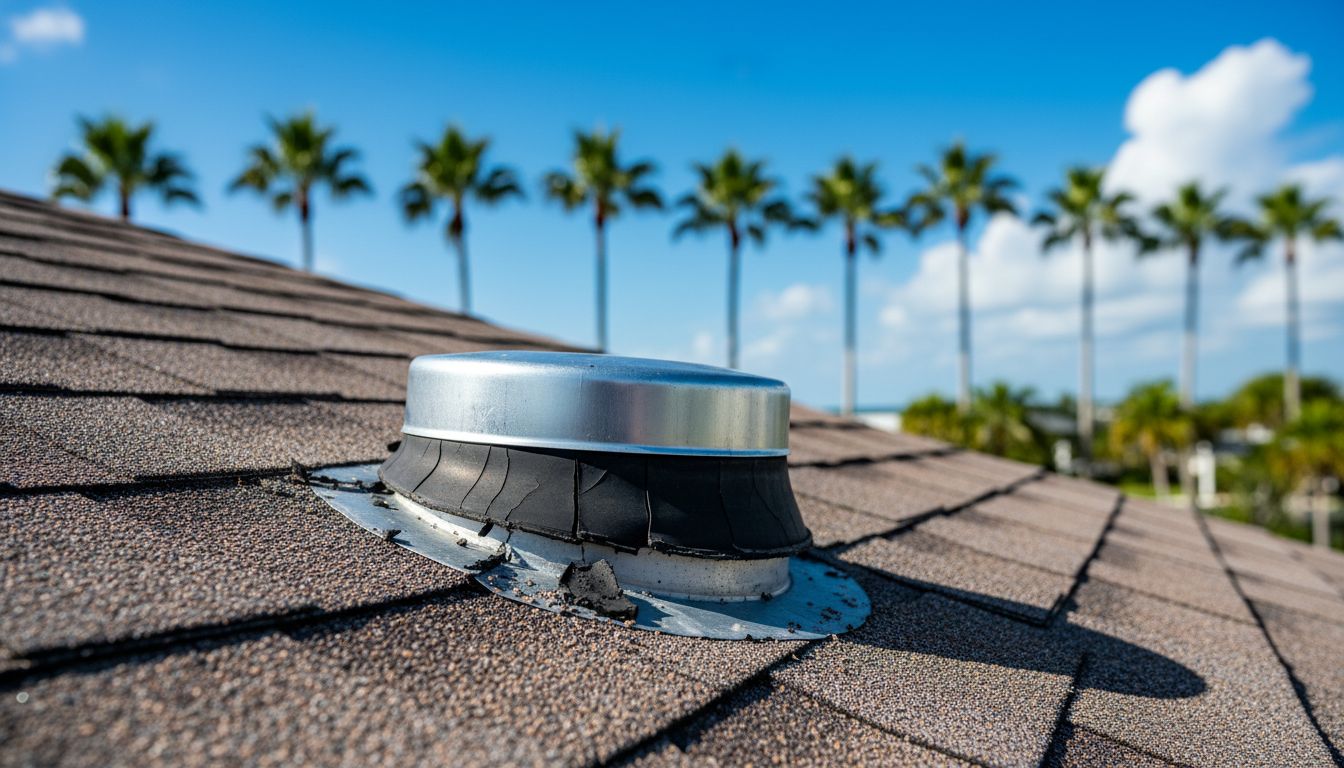
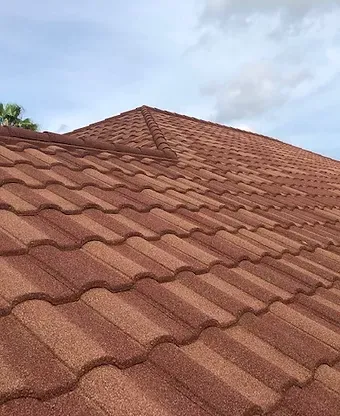
A shingle roof claim often turns on nailing pattern, starter course, and ventilation. A tile roof issue may involve broken tiles from foot traffic, fastener placement, or underlayment aging under the tile. With a metal roof , the details matter most: clip spacing, panel profile approvals, and corrosion resistance near the coast. A stone coated steel roof can perform well in high wind, yet warranty terms still depend on approved components and proper installation. For a quick local comparison, metal roof vs shingle roof lays out how storm performance and lifespan typically differ in Southwest Florida.
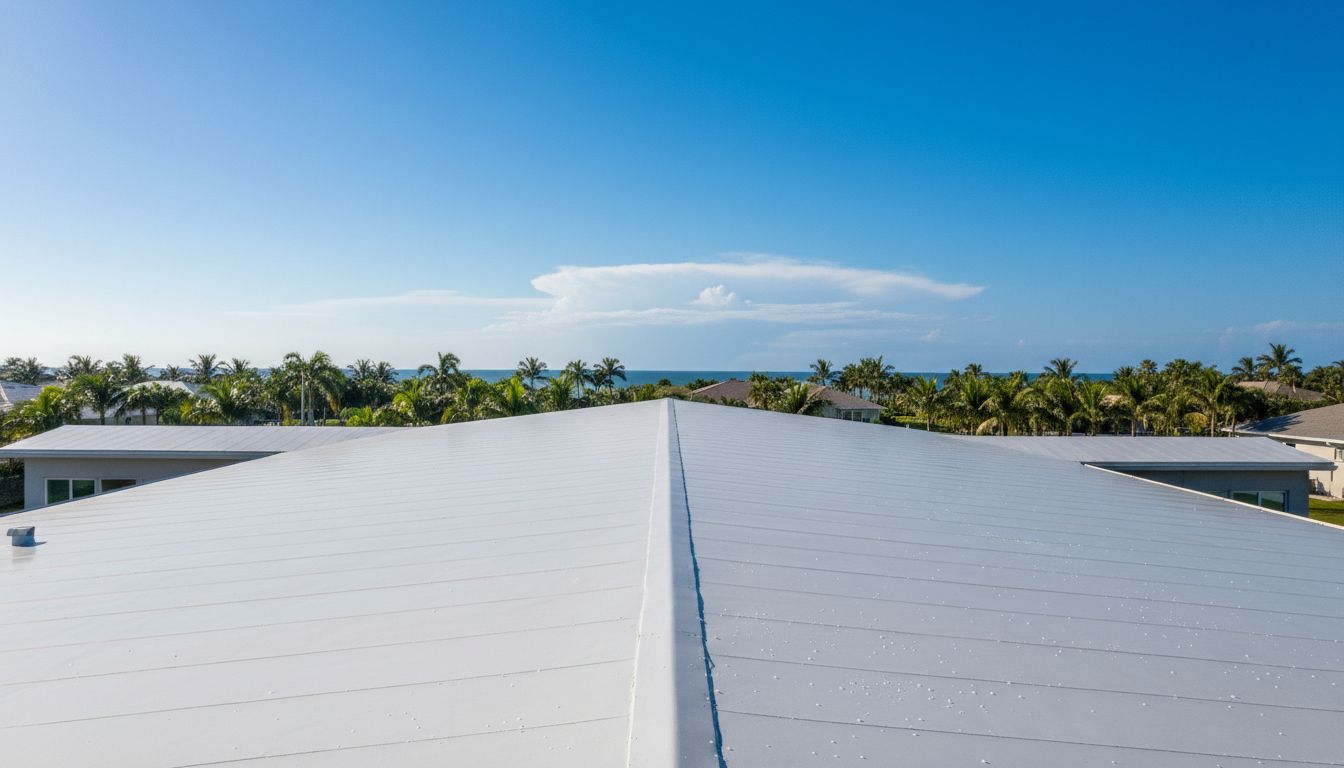
Low-slope systems bring their own warranty traps. A flat roof usually depends on seam integrity, drainage, and coating or membrane maintenance. Ponding water, clogged drains, or unapproved rooftop equipment can end coverage fast. Business owners face similar issues on a commercial roof , where foot traffic logs, HVAC service, and roof access control should be part of the plan. If you manage low-slope property, this flat roof materials and maintenance guide is a solid starting point for understanding what "maintenance requirements" really mean.
For broader industry standards and terminology that show up in specs and inspection reports, NRCA resources can add helpful context, including their policies and guidelines.
What homeowners should get in writing (printable checklist) before you pay in full
Verbal promises don't survive hurricane season. Ask for a complete warranty packet, then save it in two places (cloud storage and a home folder). The checklist below is what homeowners should request in writing, whether it's a repair or a full roof replacement.
Printable document checklist:
- Contract scope of work (exact system, tear-off plan, underlayment type, flashing scope, deck repair rates, cleanup, timeline)
- Manufacturer warranty certificate (or system warranty paperwork, plus registration confirmation if required)
- Contractor workmanship warranty (term, what's covered, exclusions, transfer terms if you sell)
- Proof of permit and final inspection (permit number, passed inspection record, Certificate of Completion if issued locally)
- Material invoices and product list (brands, product names, colors, lot numbers when available)
- Ventilation calculations (if provided or changed, including intake and exhaust plan)
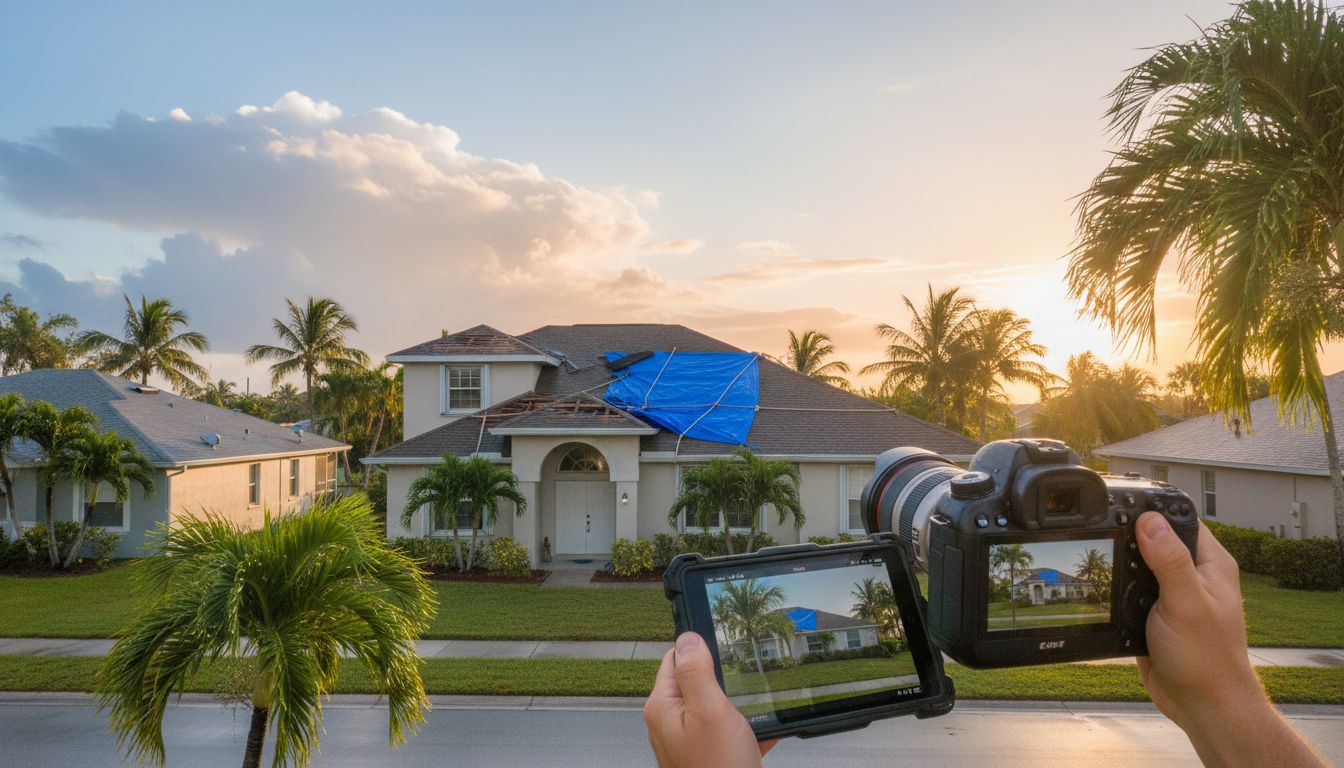
- Photo log (before, during, and after, especially deck condition and flashing details)
- Lien releases (from contractor and key suppliers, at minimum on final payment)
- Maintenance requirements (cleaning rules, inspection schedule, approved repairs, prohibited coatings or sealants)
- Claim contact info (who to call for workmanship, who to call for manufacturer, required claim steps)
A few Florida-specific "gotchas" to watch for:
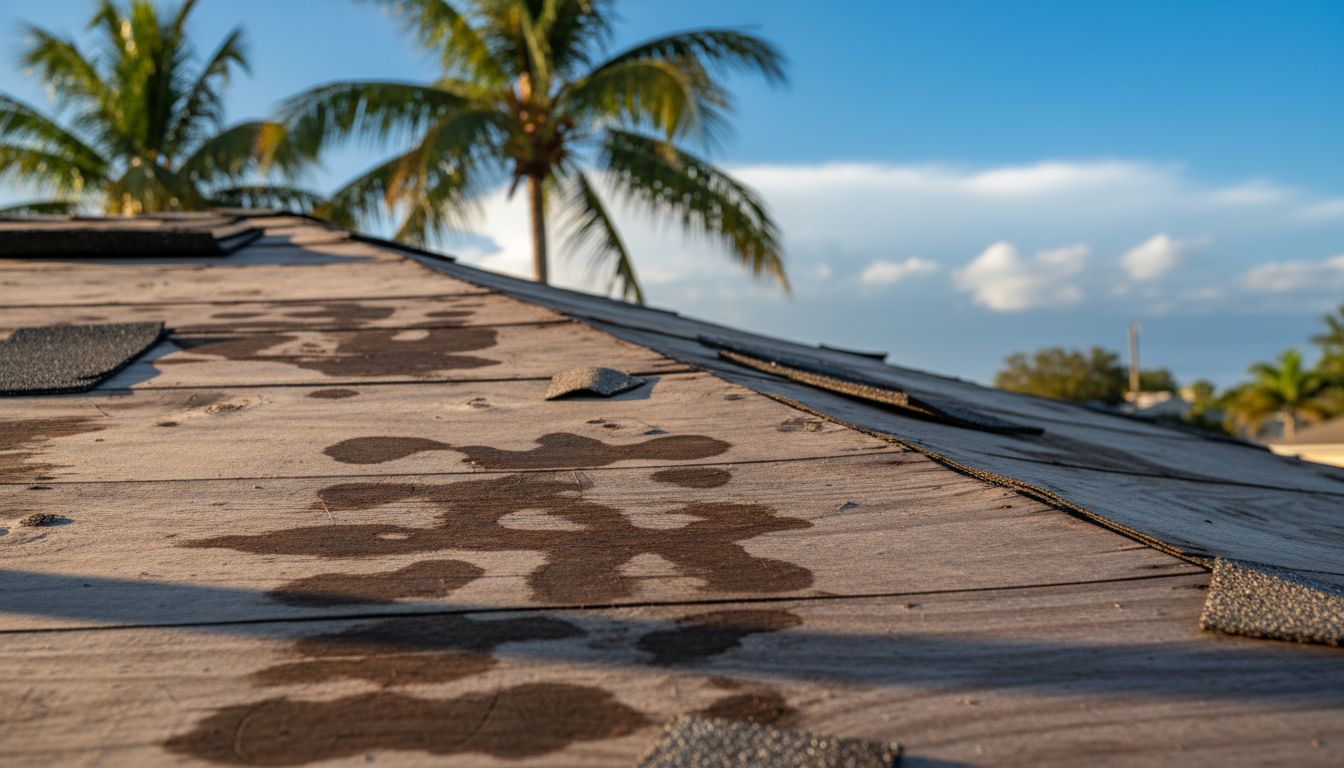
Hurricane and wind claims often require proof of date and condition. After a storm, take photos first, then call your insurer, then call your roofer. If a contractor wants you to sign paperwork on the spot, slow it down and read it.
Coastal salt exposure can be a quiet warranty killer on metal systems. If you're near the water, ask what fasteners and coatings are specified, and get it written into the scope. "Metal roof" is not a full specification by itself.
Insurance claims can also change the repair-versus-replacement decision. If wind damage affects a large portion of the roof, code triggers may require a full roof replacement instead of patchwork. On the other hand, a small repair might still be the right call if the rest of the roof tests well and matches aren't an issue.
Keep this rule: if the permit isn't pulled and the inspection isn't passed, your warranty paperwork is incomplete.
Finally, confirm you're hiring the right person before any deposit. Florida offers free tools to verify licensing through DBPR, starting with the DBPR construction industry portal. A legitimate roofer should match the license name, have active status, and carry proper insurance.
Conclusion
A Florida roof warranty should feel boring because boring means clear, documented, and enforceable. Separate workmanship from manufacturer coverage, follow the maintenance rules, and keep your permit and inspection trail tight. When the next wind event hits, you'll have proof instead of guesswork. If you're unsure where your roof stands today, schedule a professional roof inspection and start building your warranty folder now.