
Roof Ventilation in Southwest Florida (2026), Ridge Vents vs. Box Vents vs. Powered Fans, What Works in Hot, Humid Attics
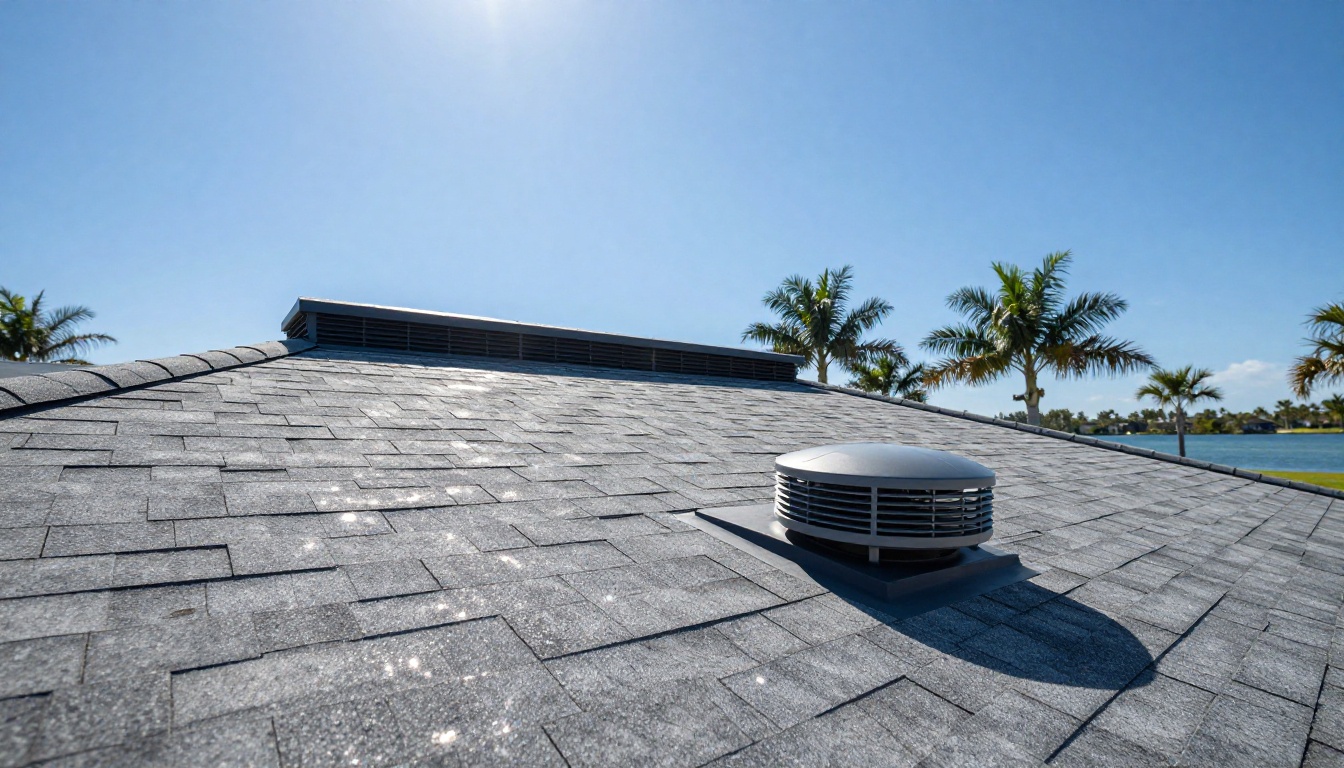
Step into a Southwest Florida attic in August and it can feel like opening an oven door. That heat matters, but moisture is the sneakier problem. In a hot-humid climate like Cape Coral, Fort Myers, and Naples, attic air can carry a lot of water vapor, and the wrong vent setup can move that moisture to the wrong place.
Good roof ventilation florida planning is about controlling heat and humidity without creating new issues like rain intrusion, mold, or pulling conditioned air out of your home. It also needs to match your roof shape and material, whether you have a shingle roof, tile roof, metal roof, stone coated steel roof, or even a flat roof on part of the structure.
Why hot-humid attics behave differently in Southwest Florida
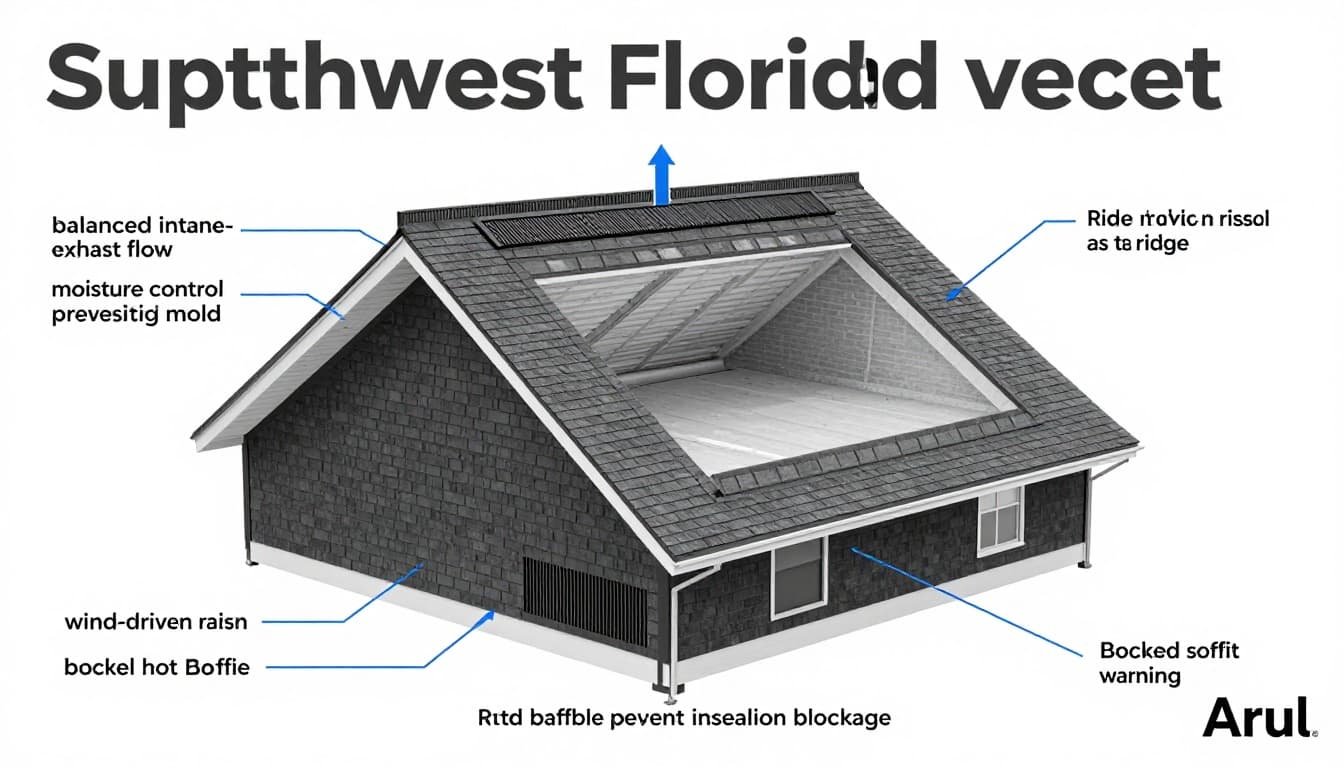 Diagram of balanced soffit intake and ridge exhaust airflow in a vented attic, created with AI.
Ventilation is often sold like it will “cool your house.” It won’t. Your attic isn’t living space, and vents aren’t air conditioning. What ventilation can do is reduce peak attic temps, lower moisture buildup, and help your roof system dry after rain events and daily humidity swings.
The hot-humid pitfall is simple: moving air is not the same as drying . If you add exhaust without enough intake, the attic will pull air from wherever it can. That can mean sucking humid outdoor air through random gaps, or worse, pulling cool indoor air through ceiling leaks. Either way, you can end up with damp roof decking, sweaty ducts, and insulation that performs like a wet sponge.
Another common trap shows up at night or during heavy AC use. The attic can stay warm and humid while some surfaces (like metal ductwork or the underside of a roof deck after a rain) cool down. That temperature drop can push humid air to condense. Venting helps only when the airflow path is balanced and the ceiling plane is tight.
If you want the basics first, see Four Peaks’ breakdown of why proper roof ventilation matters in Florida.
2026 code reality: balance matters as much as “more vents”
Florida building code language and manufacturer requirements still point back to the same concept: size the vents correctly and split intake and exhaust . Current guidance commonly cited for vented attics in Florida is 1 square foot of net free vent area (NFVA) per 150 square feet of attic floor, with roughly 40 to 50 percent of the vent area high on the roof and the rest low at the eaves (intake).
Because code details and enforcement can vary by jurisdiction, always confirm with your local building department and the vent manufacturer. For context on “adequate ventilation” language that shows up in roofing specs and warranties, the Florida Roofing and Sheet Metal Contractors Association has a useful discussion: “Adequate Ventilation” and what that means. Product approvals also matter in Florida, especially for ridge vent systems, and you can find an example in this GAF Florida code document (PDF).
Two details decide whether a vent plan works or disappoints:
Soffit intake isn’t optional. Exhaust vents can’t perform if the eaves can’t breathe. Many Florida homes have soffit vents painted shut, blocked by insulation, or reduced by tight fascia details.
Air-seal the ceiling plane. Recessed lights, bath fan housings, attic hatches, and top plates leak air. If ducts run in the attic (very common), duct leakage can dump cold air into hot attic air, increasing condensation risk. Ventilation won’t fix leaky ducts, it can only reduce the penalty a bit.
If you’re unsure where you’re losing air or where moisture is coming from, start with a professional roof inspection for Cape Coral homes that includes attic conditions, duct layout, and intake clearance.
Ridge vents vs. box vents vs. powered fans (what actually works)
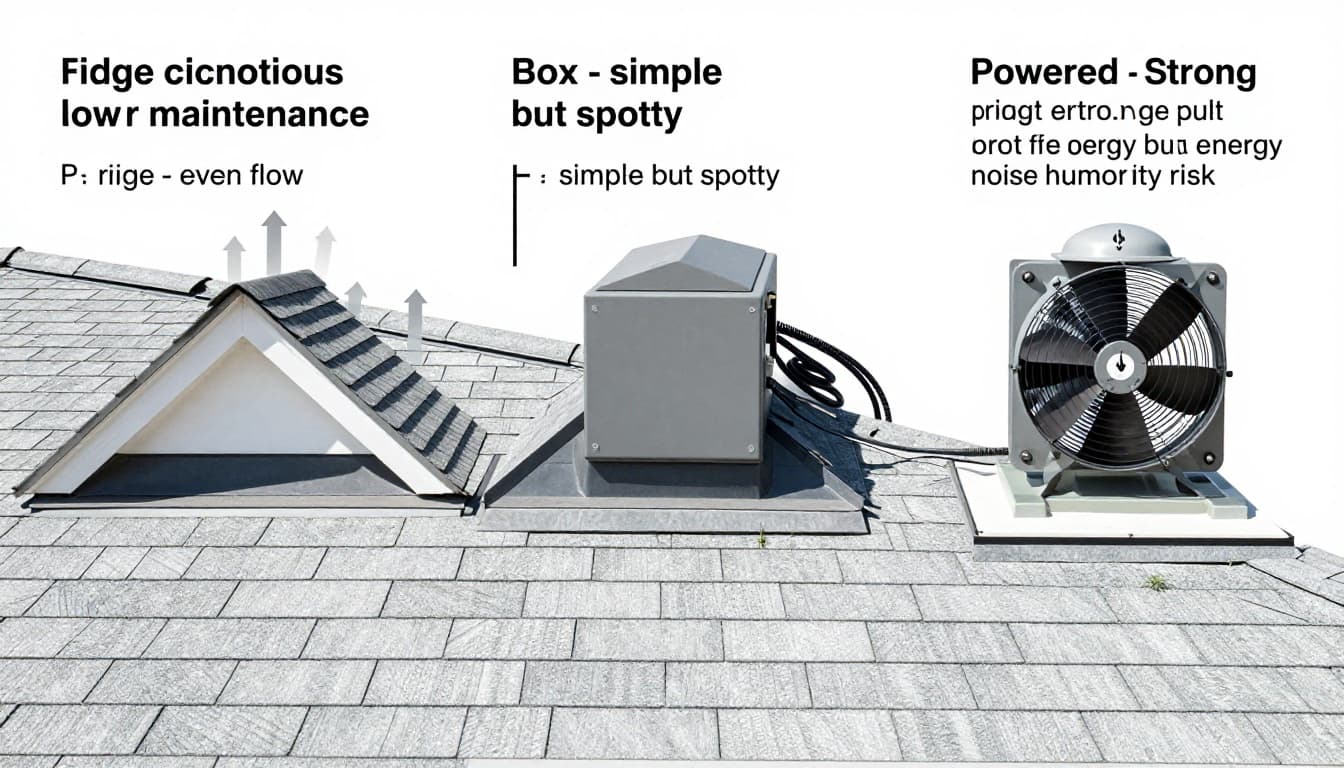 Side-by-side comparison of common attic exhaust options, created with AI.
Ridge vents: best performance when the roof shape cooperates
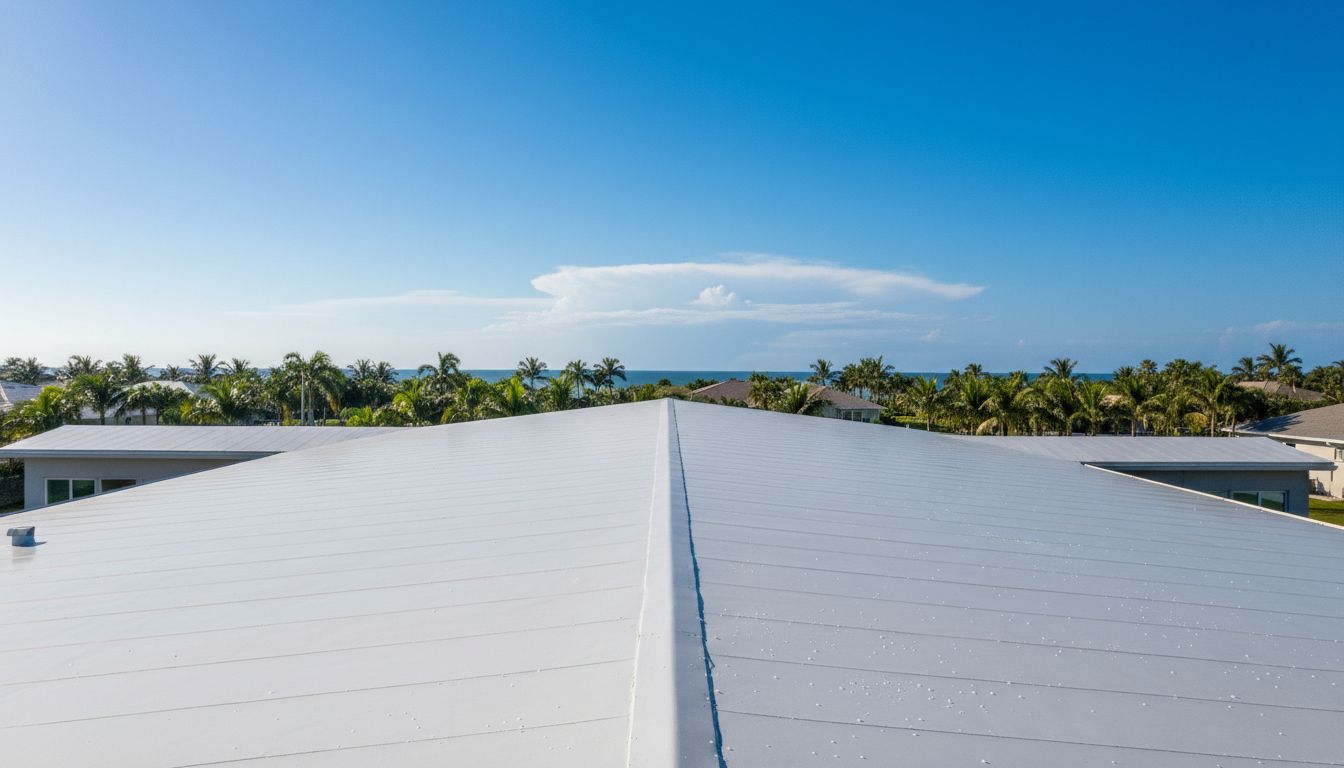
A continuous ridge vent paired with continuous soffit venting is the closest thing to “set it and forget it” for a vented attic. It tends to pull air evenly across the underside of the roof deck, which helps reduce hot spots that can bake shingles and stress underlayment.
In Southwest Florida, ridge vents also have two watch-outs: wind-driven rain and poor intake. Ridge vents need proper external baffles and end plugs, plus correct shingle or ridge cap detailing. On tile roof systems, ridge ventilation must match the tile profile and the manufacturer’s assembly, not a generic shingle ridge vent. On a metal roof, ridge venting depends on the standing seam or exposed-fastener profile and closure details.
Ridge vents are less effective on many hip roofs because there just isn’t much ridge length. A short ridge can’t exhaust a large attic unless intake and exhaust are carefully engineered.
Box vents: a practical answer for hip roofs and short ridges
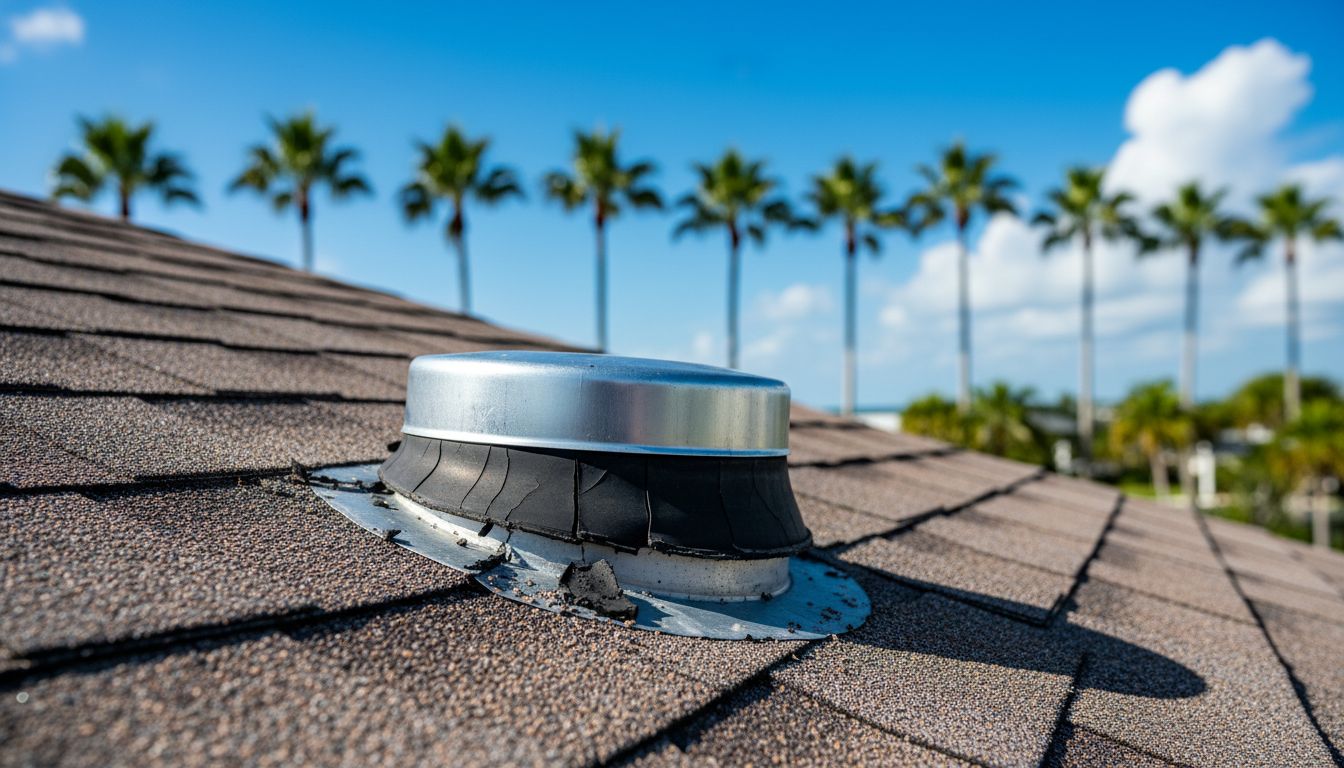
Box vents (static roof louvers) can work well when there is limited ridge, like a full hip roof common in Southwest Florida subdivisions. They’re also useful when the attic is segmented by framing, since you can place vents over specific bays (when designed correctly).
The downsides are “spotty” exhaust patterns and higher rain intrusion risk if the vent is low-quality or installed on a slope that catches wind-driven storms. Box vents also add more roof penetrations, which raises flashing and maintenance importance over time.
Powered attic fans: strong pull, real tradeoffs
Powered fans can move a lot of air, but in hot-humid Florida they’re easy to misuse. If intake is undersized, a fan will depressurize the attic and pull air from the house through ceiling leaks, which can raise energy use and increase moisture problems near cold supply ducts.
Noise and maintenance are real factors too. Motors fail, thermostats drift out of calibration, and roof penetrations still need watertight flashing. Solar fans reduce operating cost, but they still pull air from somewhere, and “somewhere” must be planned.
Don’t mix exhaust types without a design. Combining a ridge vent with a powered fan or multiple exhaust styles can short-circuit airflow, pulling air from the nearest exhaust opening instead of washing the whole underside of the deck. Think of it like drinking through two straws, you don’t double the drink, you change the path of least resistance.
Ventilation choices often happen during roof replacement. If you’re changing materials (say, from a shingle roof to a tile roof or metal roof), review the vent strategy as part of the roof replacement process in Southwest Florida.
The make-or-break details: intake, baffles, and a tight ceiling plane
If exhaust vents are the chimney, intake vents are the firewood. Without intake, nothing works the way it’s drawn on paper.
Plan for clear soffit paths in every bay. Install rafter baffles to keep blown insulation from blocking airflow at the eaves. Seal penetrations at the ceiling plane, then verify bath fans actually duct outdoors (not into the attic). If you have HVAC equipment in the attic, check duct joints and the air handler cabinet for leakage.
Flat roof areas and many commercial roof designs often use different approaches (parapet vents, mechanical ventilation, or unvented assemblies with insulation above deck). If you own a flat roof section, maintenance details matter as much as ventilation details, see flat roof materials and maintenance in Southwest Florida.
Safety notes (don’t skip these)
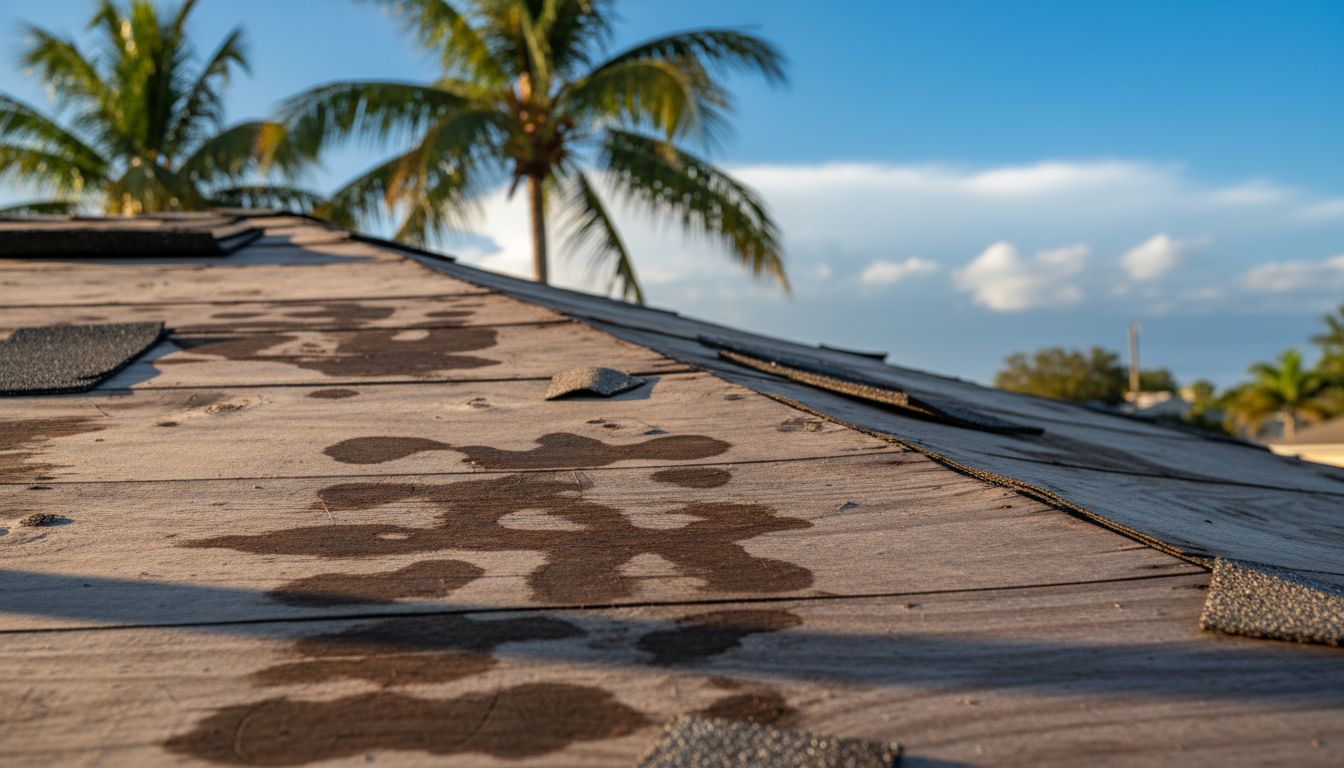
If you see widespread mold, wet insulation, or rotted decking, don’t just “air it out.” Moisture sources need to be found and corrected first, and mold cleanup should follow proper containment practices. For powered fans, wiring and roof penetrations should be handled by qualified trades, because a bad connection in a hot attic is a fire risk.
Short homeowner checklist and quick Q&A
Fast checklist to discuss with your roofer
- Confirm local Florida code NFVA requirements and manufacturer specs for your roof type.
- Verify soffit intake is open, continuous where possible, and not paint-blocked.
- Add baffles at eaves so insulation can’t choke off intake.
- Avoid mixing exhaust types unless the airflow plan is documented.
- Check for bathroom fans venting into the attic.
- Inspect ducts for leaks and missing insulation.
- Look for signs of past rain intrusion at ridge or box vents.
- Schedule a post-install attic check after the first heavy rain.
Homeowner Q&A
Will more ventilation lower my electric bill?
Sometimes, but only modestly. The bigger wins usually come from air-sealing, duct repairs, and insulation that stays dry.
Is a ridge vent “better” than box vents?
On a long ridge with good soffit intake, yes. On a hip roof with a short ridge, box vents often make more sense.
Should I add a powered fan to fix a hot attic?
Not until intake and ceiling leaks are addressed. Otherwise the fan can pull cooled air from your home and bring in more humid air.
Does roof material change ventilation needs?
The principles stay the same, but details change. A tile roof, metal roof, and stone coated steel roof each have specific ridge and accessory requirements that your roofing company should follow.
Conclusion
In Southwest Florida, attic ventilation is less about “more airflow” and more about controlled airflow . Ridge vents shine on long ridges, box vents solve real hip roof limitations, and powered fans can help only when intake and air-sealing are already handled. If your attic smells musty, feels soaked, or shows staining, start with a professional roofer and a documented plan, not a new fan. The goal is a roof system that stays drier, lasts longer, and behaves well through heat, humidity, and storms.