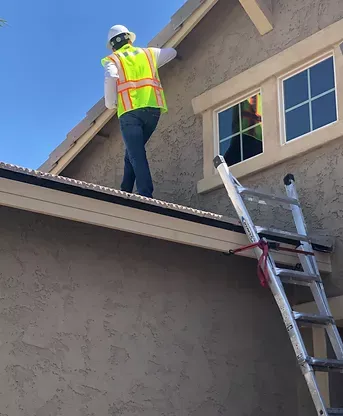

Concrete Tile Roofs in Southwest Florida (2026), Flat vs profile tile, broken tile risks, and what installers should do in salt air
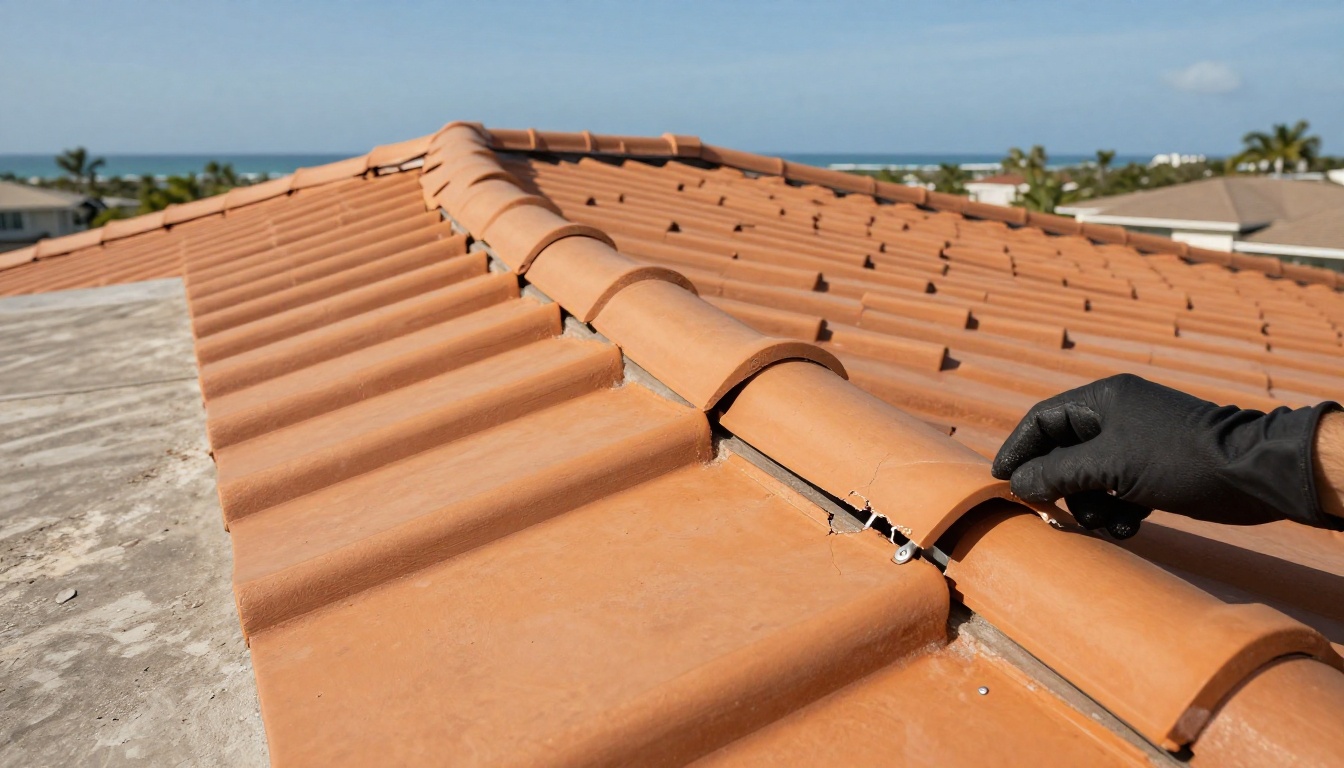
Southwest Florida roofs live a hard life. Salt haze rides in on the breeze, summer heat bakes the deck, and hurricane season tests every edge and corner. That's why concrete tile roofs stay popular in Cape Coral, Fort Myers, and Naples, they can take years of sun and storm when they're installed and maintained the right way.
Still, tile isn't a "set it and forget it" system. The choices you make, flat vs profile tile, the way a single broken tile gets handled, and the fasteners and sealants used near the coast, can decide whether you get decades of service or repeat repairs.
This guide breaks down what homeowners should look for on an existing tile roof, what contractors should detail in repairs, and how salt air changes the rules.
Flat vs profile concrete tile, what changes in look, drainage, and wind performance
 Photo by Edgard Motta
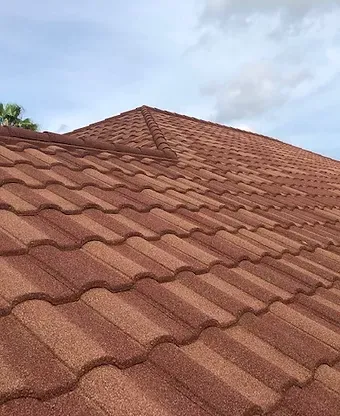
In SWFL, "flat tile" usually means a low-profile concrete tile that sits closer to the roof plane. "Profile tile" is the taller S-shaped or barrel style you see on many Mediterranean homes. Both can perform well, but they behave differently in the real world.
Here's a quick comparison to frame the decision on repairs or a roof replacement.
| Category | Flat concrete tile | Profile (medium or high) concrete tile |
|---|---|---|
| Curb appeal | Clean, modern lines | Traditional, high-shadow look |
| Walking and serviceability | Often easier to move on (still fragile) | More "rocking," more break risk if stepped wrong |
| Water shedding | Relies heavily on correct laps and flashing | Sheds well, but valleys and transitions matter more |
| Wind response | Less "sail area," still needs approved attachment | Higher edges can catch wind if attachment details are weak |
| Repair matching | Color and texture mismatch can stand out | Mismatch can hide better, but profiles must match exactly |
The big takeaway is that tile shape doesn't replace correct engineering. Wind uplift resistance depends on the approved assembly, fastening pattern, adhesive method (where allowed), and perimeter detailing, not just the tile's profile. Contractors in Florida often lean on current high-wind guidance like the FRSA-TRI Florida High Wind Tile Installation Manual (7th Edition) and manufacturer instructions, because the roof has to perform as a system.
If you want to see what the tile industry publishes for assemblies and details, start with the TRI Alliance installation guides. For code timing and permit expectations in 2026, this local overview is useful: Florida roofing code updates for 2026.
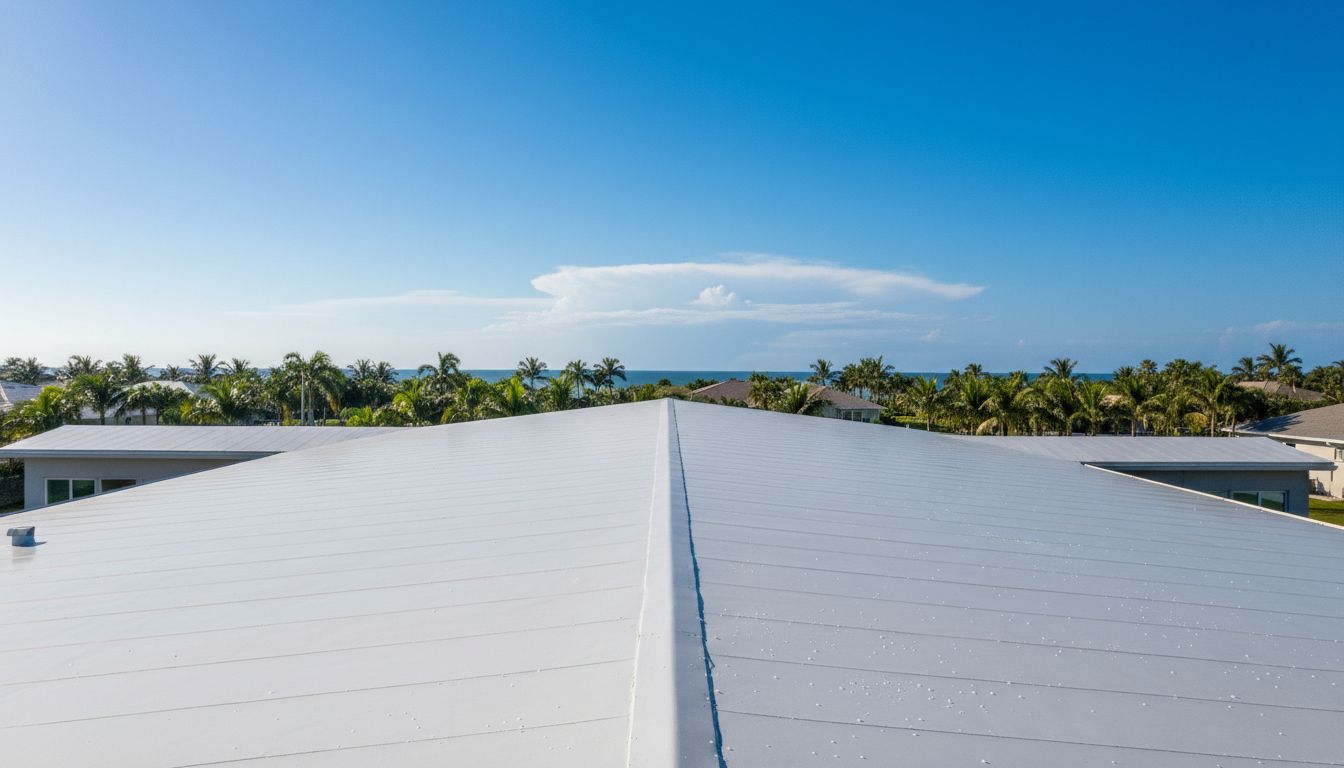
Also keep perspective when comparing roof types. A tile roof is a steep-slope system. A flat roof on a lanai or a low-slope commercial roof uses membranes and edge metal details that fail differently in wind-driven rain.
Broken tile risks in SWFL, when it's urgent vs when you can monitor
A tile roof is like armor made of many parts. One cracked piece might not leak today, but it can open the door to water tomorrow, especially when rain blows sideways.
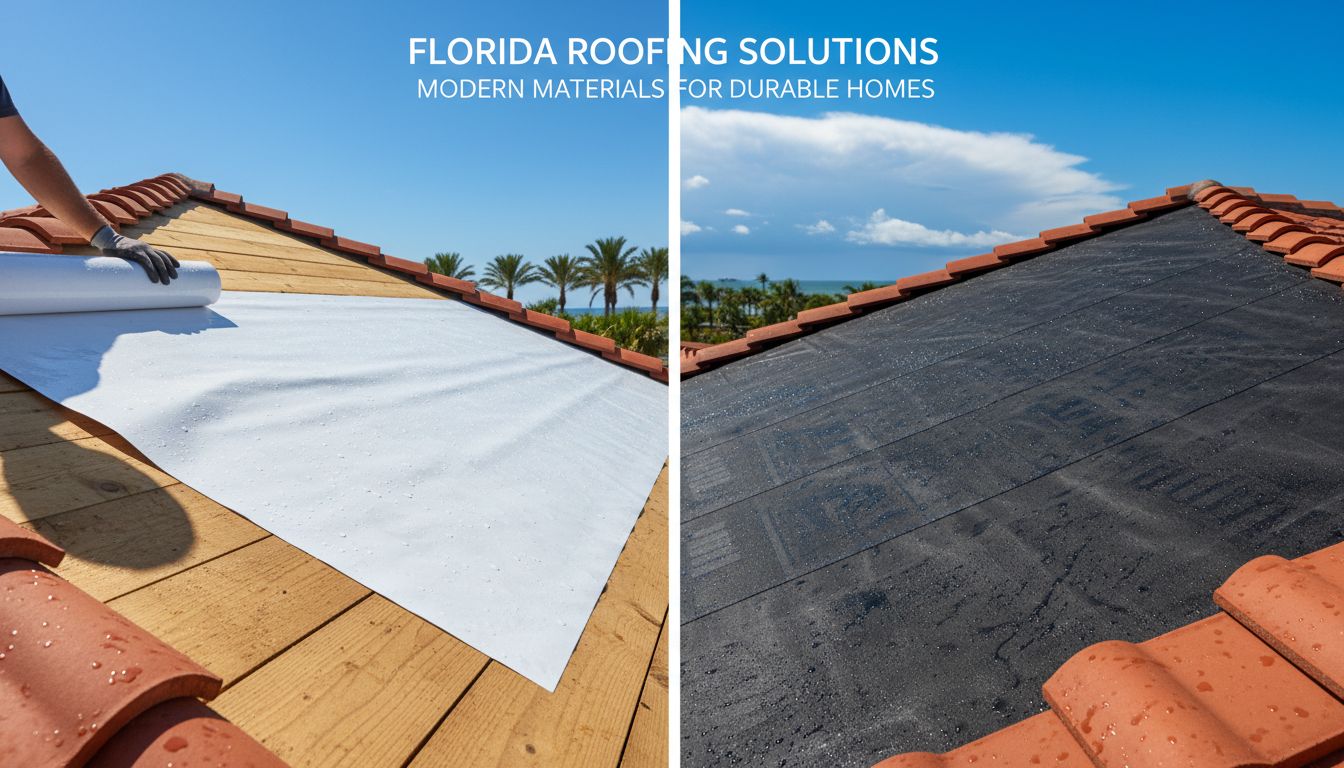
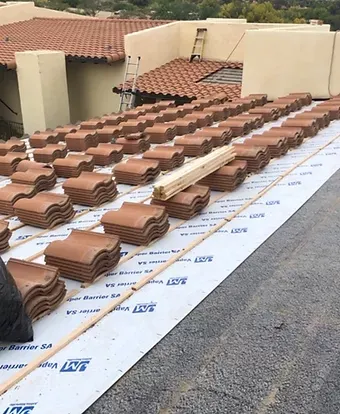
The first rule is simple: tile is the primary water-shedding layer, and underlayment is the secondary barrier . If water gets past the tile, your underlayment and flashings are doing the heavy lifting.
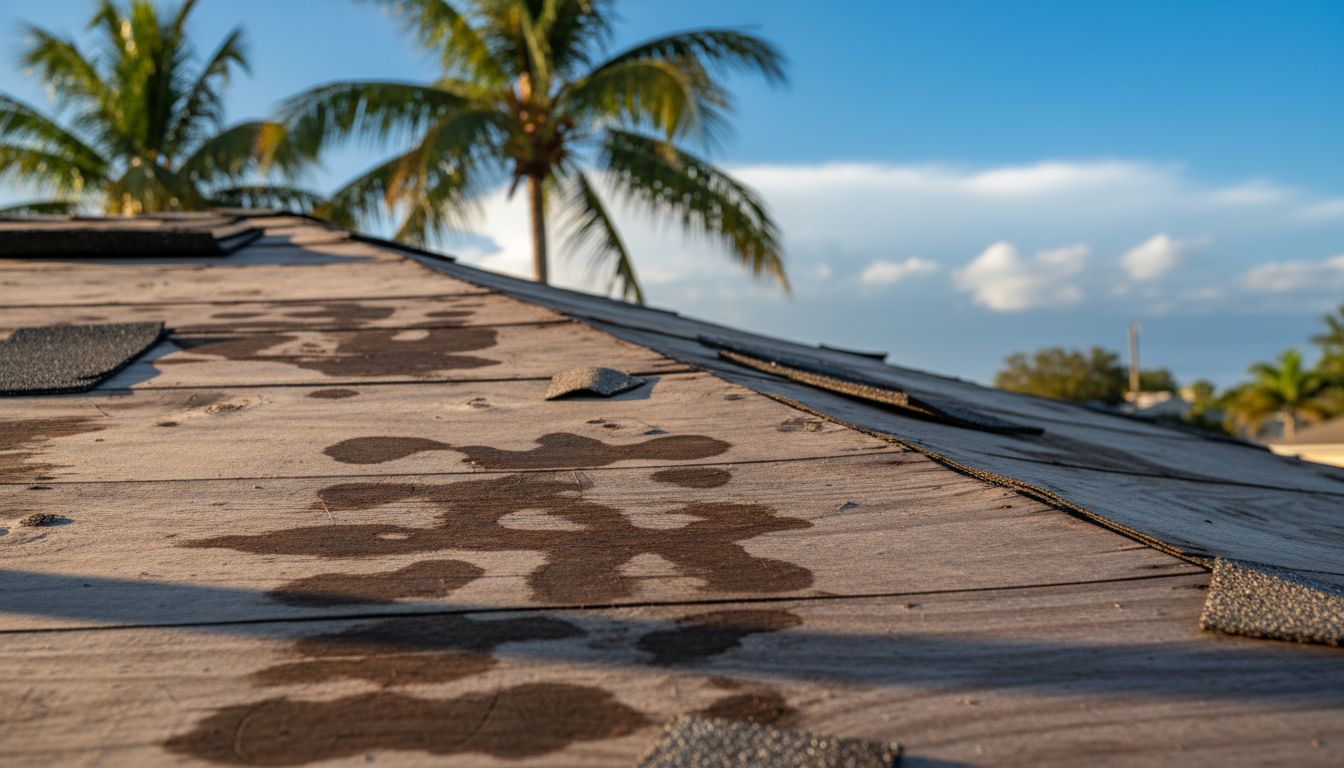
If a broken tile exposes underlayment to sun and weather, the clock starts ticking. UV and heat can age that exposed area fast.
When a broken or slipped tile is urgent
Treat it as urgent when any of these are true:
- The tile is missing , slid out of position, or loose enough to rattle in wind.
- The break sits in a high-flow area (valleys, sidewalls, around chimneys, skylights, or near a roof-to-wall transition).
- You see interior signals : ceiling staining, damp drywall, musty odor, or wet insulation.
- The damage followed a storm, especially if you suspect wind uplift started lifting adjacent tiles.
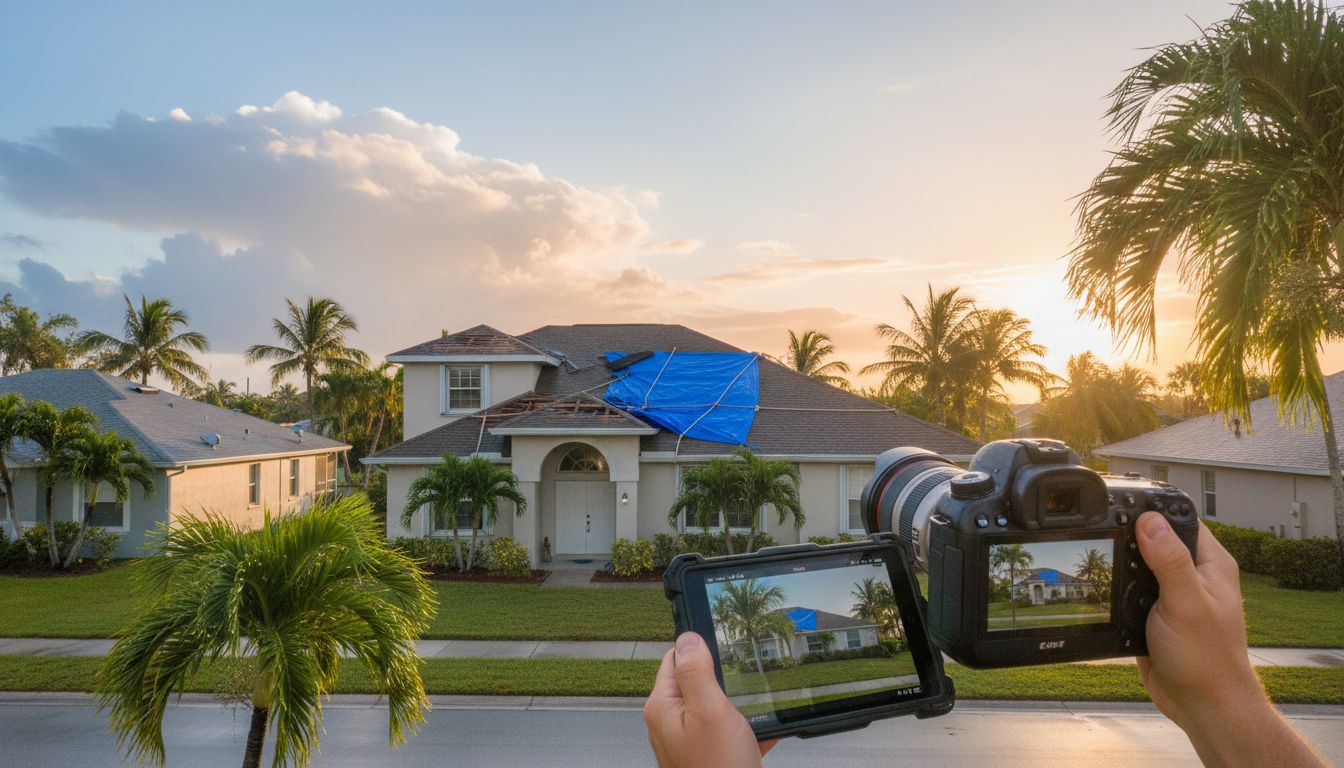
In those cases, don't wait for the next downpour. Schedule a professional roof inspection and document what's found. A qualified roofer can confirm whether the underlayment is intact, whether battens or attachment points shifted, and whether flashings were bent or pulled. If you need a local inspection in Lee County, start here: roof inspection Cape Coral.
When you can monitor (with a plan)
Not every hairline crack is an emergency. You can sometimes monitor if the tile is still seated, the crack is tight, and it's away from water paths. Even then, "monitor" should mean: take photos, mark the location, and re-check after the next heavy rain.
Homeowners should avoid walking a tile roof to "take a closer look." Foot pressure breaks tiles that were fine five minutes earlier. Use binoculars from the ground, or ask for a drone evaluation.
If you're seeing repeat cracked tiles, don't just replace pieces one by one. Patterns matter. Recurring breaks often point to poor walking paths, movement at the deck edge, failing foam/adhesive, or flashing that's forcing tiles to sit high. For examples of common repair categories on SWFL homes, see common tile roof repairs and maintenance.
What installers should do in salt air, fasteners, metals, sealants, and underlayment choices
Salt air is a slow grinder. It attacks fastener coatings, pits soft metals, and speeds up corrosion at cut edges and dissimilar metal contact points. That's why "works inland" can fail near the coast.
Fasteners and metal compatibility (galvanic corrosion is real)
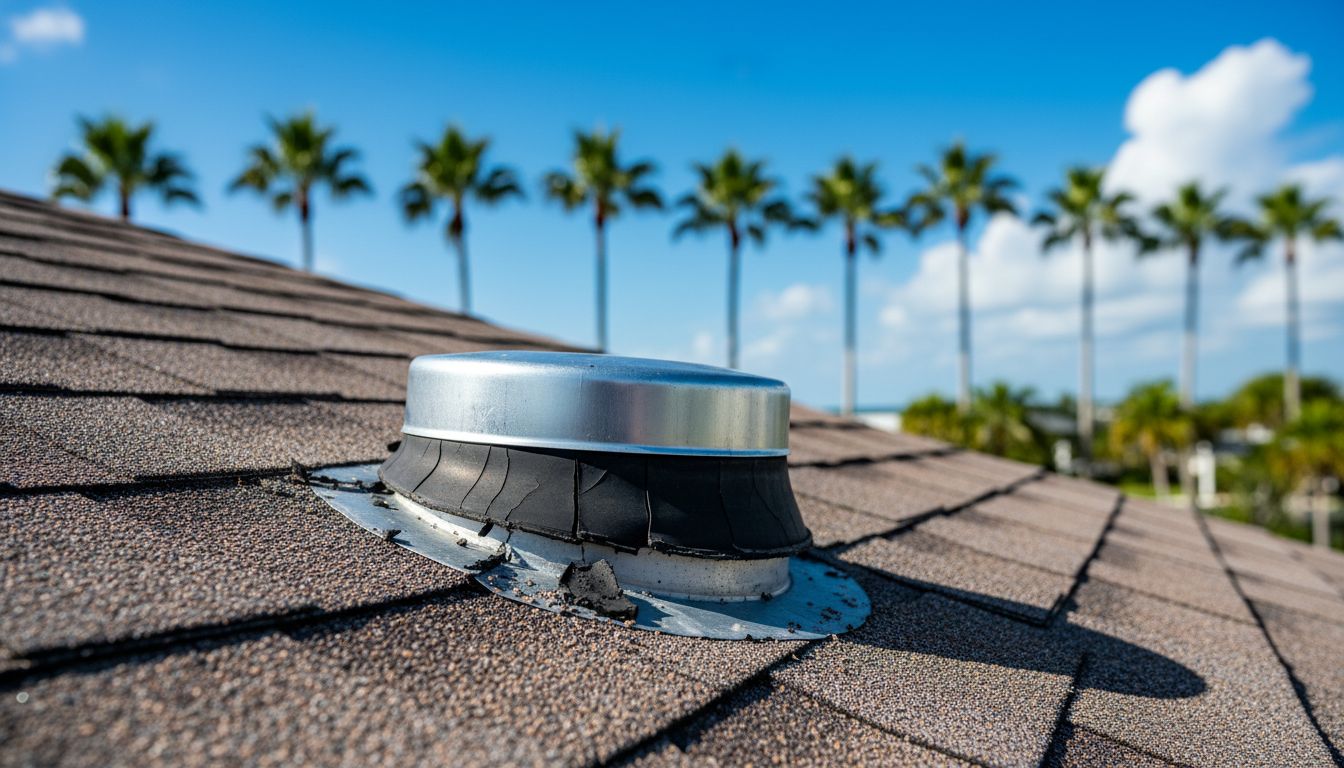
For tile, every exposed fastener and many hidden ones matter. In coastal SWFL, installers often specify 304 or 316 stainless steel fasteners when assemblies allow, because stainless holds up better in marine exposure than basic plated options. When stainless isn't specified, use the exact corrosion-resistant fastener called out by the product approval and tile system.
Equally important is metal pairing. Mixing metals without isolation invites galvanic corrosion. For example, certain combinations of aluminum, copper, and steel can create a battery effect when moisture bridges them. A careful installer keeps metals compatible or isolates them with separators, washers, or membranes as required.
Sealants and underlayment, built for UV and humidity
Tile roofs breathe. Underlayment and flashings still have to survive high heat, trapped humidity, and wind-driven rain.
- Use sealants rated for UV exposure and exterior roof conditions, not interior-grade caulk.
- Choose underlayment approved for tile, and suitable for Florida heat. Self-adhered membranes are common in higher-risk areas, and they can also help when wind-driven rain gets past the tiles.
Repair do's and don'ts that prevent repeat failures
A good tile repair looks boring when it's done, and that's the goal.
Do
- Use walking pads and known walk paths (over supports where possible), because random stepping breaks tile.
- Lift tiles with the right tools , then re-seat without prying against edges.
- Replace broken tiles with the exact profile , because "close enough" can create uplift points.
- Check battens, foam, and attachment points before setting the new tile. Fix the cause, not just the symptom.
- Re-check flashings and interfaces at valleys, sidewalls, and penetrations, since water usually enters at transitions.
Don't
- Don't smear mastic on top of cracks as a "patch." It looks fixed and still leaks.
- Don't mix random screws or nails from the truck bin. Match corrosion resistance and approval requirements.
- Don't force tiles flat over bent flashing. That pressure often leads to new breaks.
- Don't ignore adjacent looseness. Wind uplift rarely affects only one tile.
If a homeowner is choosing between systems, remember tile isn't the only durable option in SWFL. A metal roof (including standing seam) handles salt air well when detailed correctly, and a stone coated steel roof can mimic tile aesthetics with different attachment methods. On the other hand, a shingle roof can be a practical choice for some budgets, but it typically needs more frequent replacement in harsh sun and storm cycles. For a plain-language comparison, see metal roof vs shingle roof in Southwest Florida (2026). If you're focused on tile specifically, this page lays out local options for concrete tile roofing in Cape Coral.
Conclusion
Concrete tile can be a long-term winner in Southwest Florida, but only when the details match the environment. Flat vs profile affects serviceability and wind behavior at the edges, broken tiles need the right urgency level, and salt air demands better fasteners, compatible metals, and exterior-rated sealants. When you're unsure, treat it like a safety system, get a qualified roofer to inspect it, document it, and recommend repairs that won't fail again. Choosing the right roofing company now can save you from chasing leaks later.