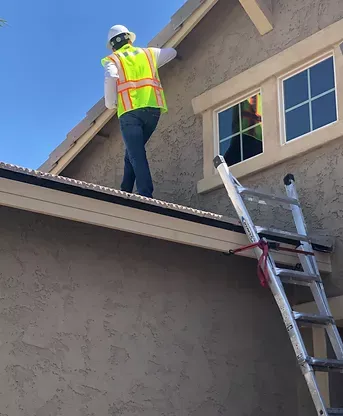

Roof Inspection Checklist for Southwest Florida Homeowners (2026), What a real roofer checks, not just what you can see from the driveway
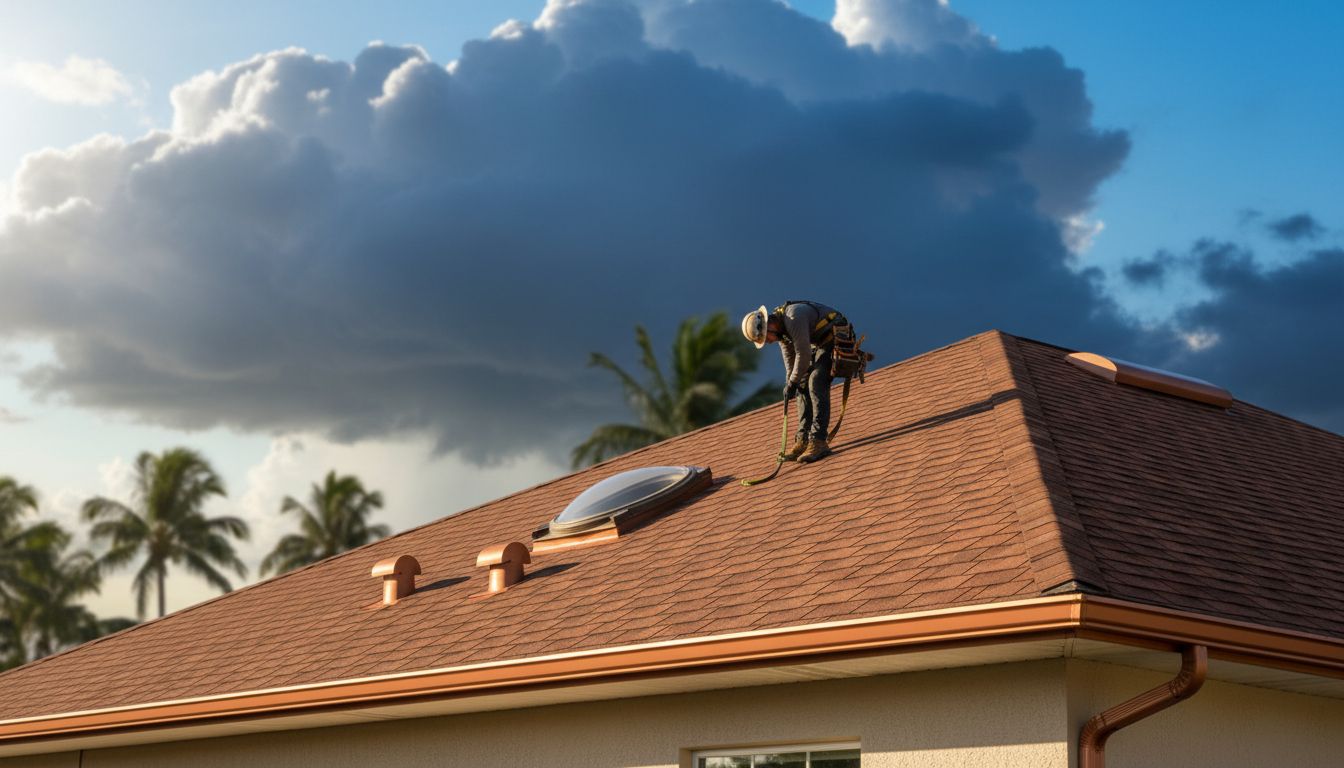
A roof can look fine from the street and still be one bad storm away from a leak. In Southwest Florida, wind-driven rain finds tiny gaps, then turns them into soaked drywall fast.
This roof inspection checklist is built around what a working roofer actually checks in 2026, not just what's easy to spot from the driveway. Use it to understand what matters, what you can safely check yourself, and when it's time to bring in a licensed roofing company.
Why Southwest Florida roof problems hide in plain sight
Southwest Florida roofs don't usually fail in one dramatic moment. They get worn down in a few predictable ways, then a summer squall or tropical system exposes the weak spot.
Here's what makes our region different:
- Wind-driven rain : Water doesn't fall straight down in storms here. It gets pushed sideways under edges, flashings, and lifted materials.
- Salt-air corrosion : If you're near the water, salt speeds up rust on fasteners, vents, and metal flashings. Even a great metal roof can develop problems at details if the wrong metals touch or coatings break down.
- UV and heat : Sun cooks sealants and dries out asphalt. A shingle roof can lose granules and become brittle long before it "looks old."
- Algae and mold pressure : Humidity feeds staining and growth, which holds moisture against roofing and can shorten service life.
- Frequent summer storms : Small defects get "tested" again and again, especially at valleys, pipe boots, and wall transitions.
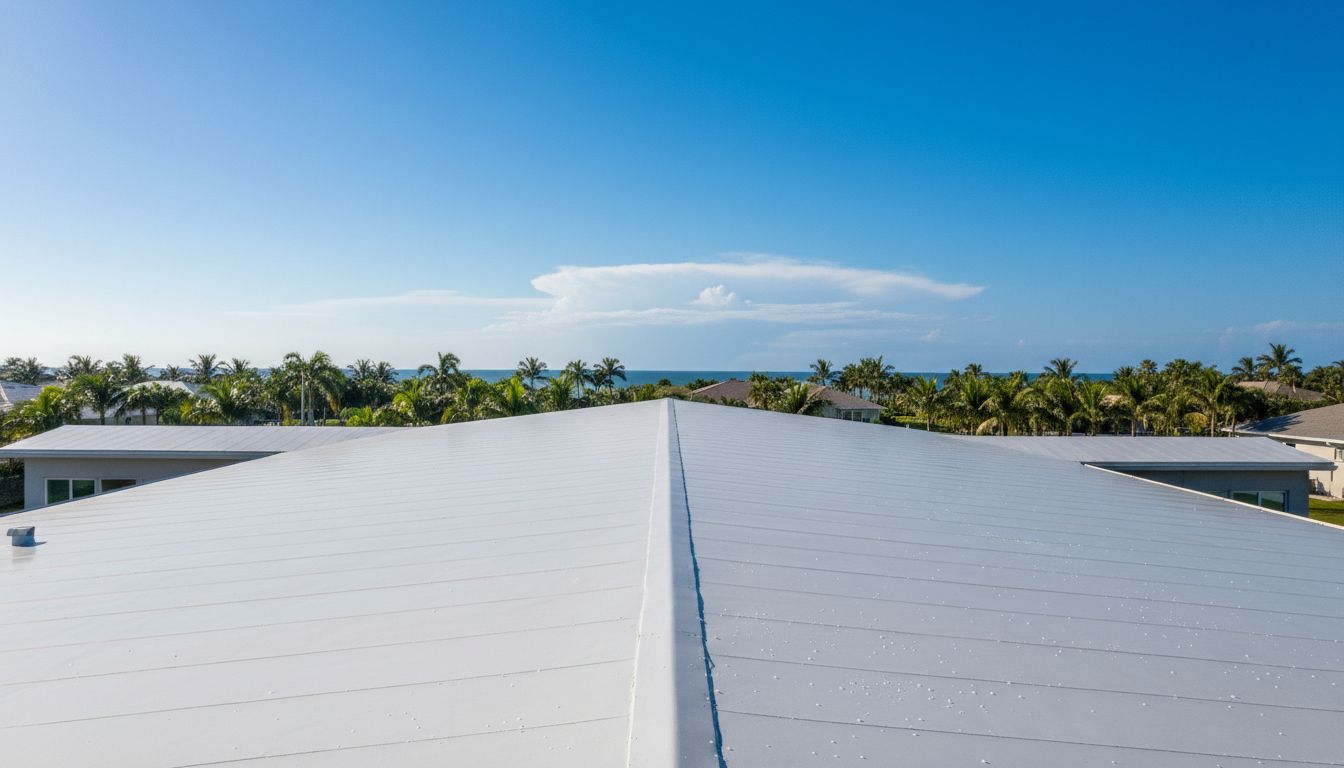
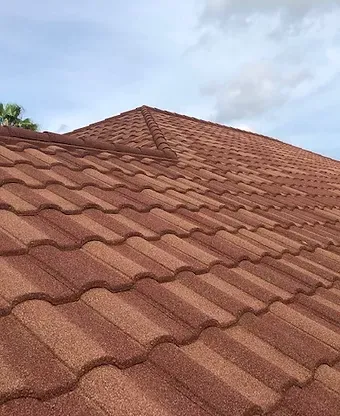
Different systems fail in different ways. A tile roof can last decades, but one displaced tile can expose underlayment. A stone coated steel roof is tough, yet penetrations and edge metal still decide whether the home stays dry. A flat roof on a lanai or modern addition punishes slow drains and ponding water. Even if you're a homeowner, you might also have a commercial roof section, like a low-slope porch tie-in or a small office on the property.
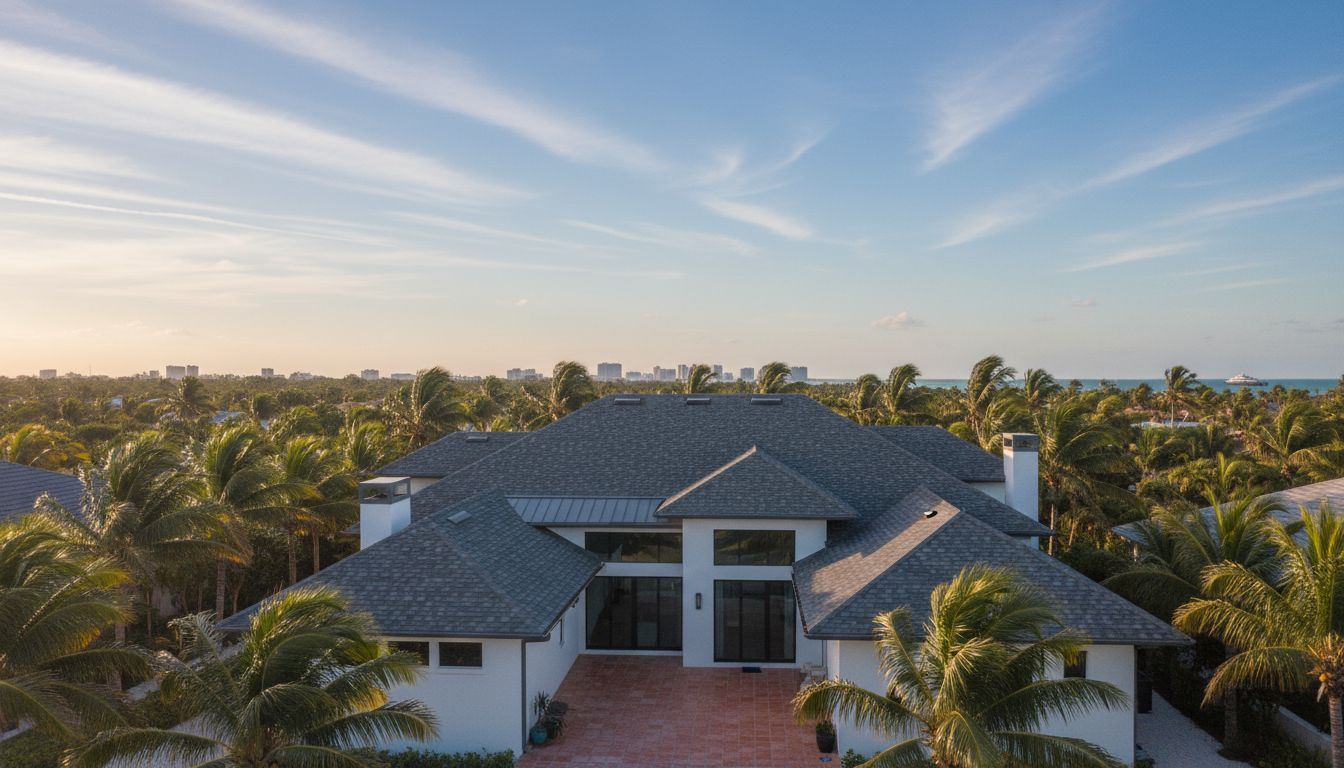
A roof isn't just the visible surface. A roofer inspects the full water-shedding system: covering, flashings, underlayment clues, and what the attic says about past leaks.
What a real roofer checks (step by step)

Photo by Дмитрий Рощупкин
A professional roof inspection follows a repeatable routine. The goal is to spot failure points before they turn into interior damage.
- Site and edge scan (before stepping anywhere)
The roofer checks roof lines, sagging, and debris patterns. They also look at gutters, downspouts, soffits, and fascia, because those often show where water has been escaping. - Perimeter and "peel zones"
Most wind damage starts at edges, ridges, and corners. A roofer inspects drip edge integration, starter courses, ridge caps, and tile hip/ridge attachments. - Flashing inspection (the real leak zone)
Flashings fail more often than fields. Pros check step flashing at walls, kick-out flashing, valley metal, chimney transitions, and counterflashing. Lifted flashing can look minor but act like a funnel in wind-driven rain. - Penetrations and sealant condition
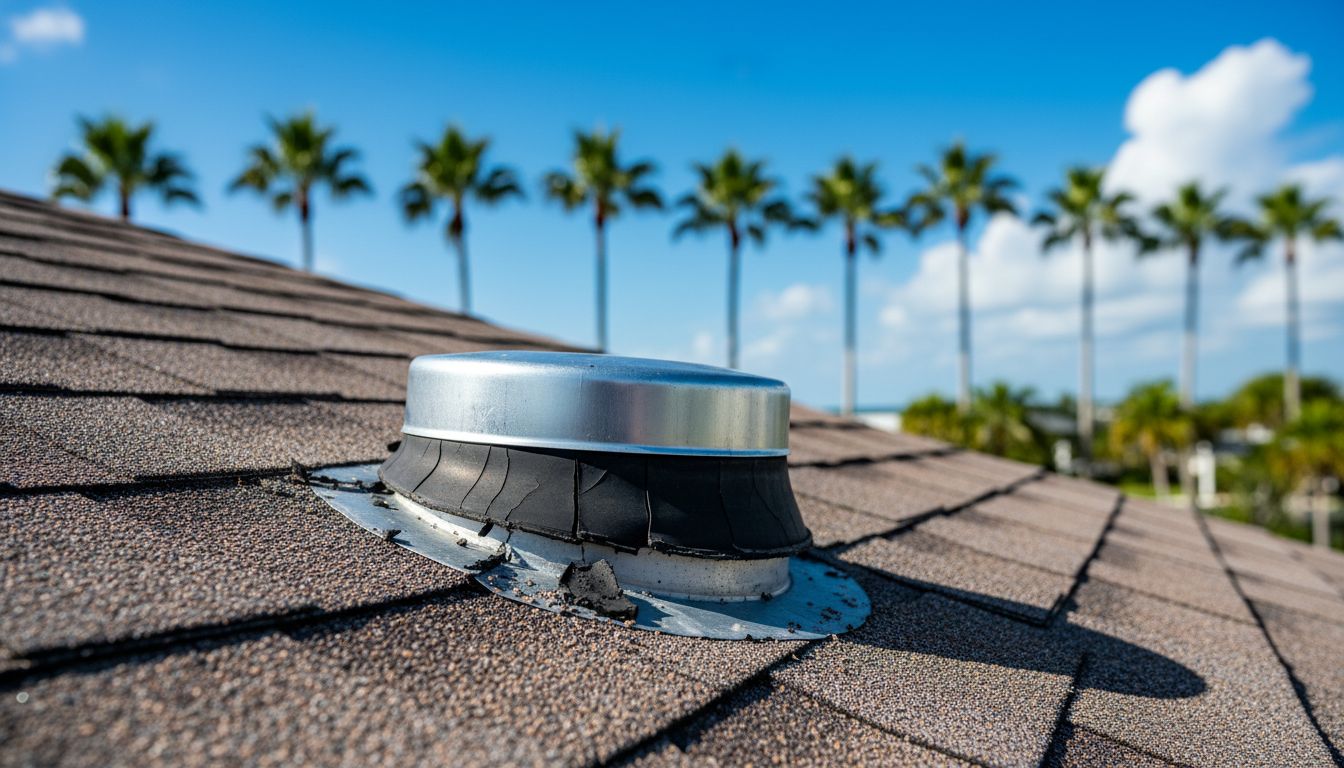
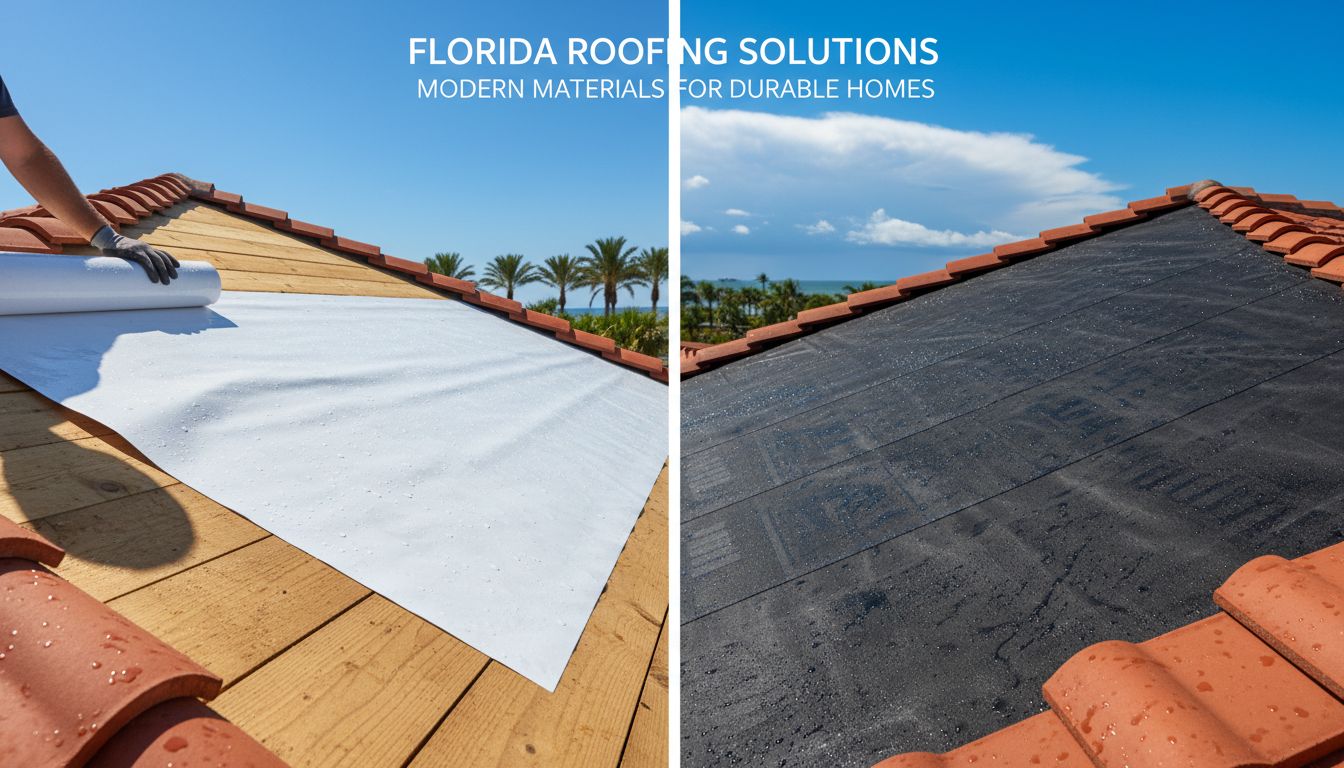
Pipe boots, vents, skylights, and solar mounts get close attention. Failed sealants and cracked boots are common "small" issues that create big attic moisture problems. - Field condition by roof type
- Shingles: nail pops, creased tabs, missing granules, unsealed edges
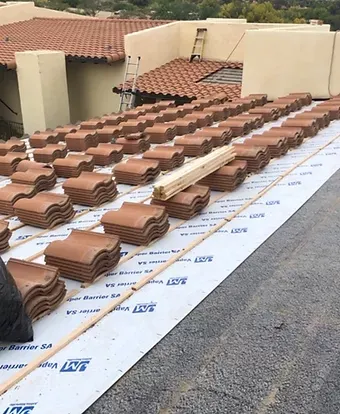
- Tile: displaced or cracked tiles, exposed underlayment, broken bird-stops
- Metal: panel movement, scratches, seam issues, oxidation, loose closures
- Stone coated steel: damaged fasteners, exposed steel, worn accessories
- Flat roofs: membrane blisters, open laps, cracked terminations, ponding
- Fasteners and corrosion clues
Rusted fasteners and backed-out screws often show up first around vents, drip edge, and metal accessories. Corrosion near the coast is a serious signal, not cosmetic. - Soft decking and structural feel
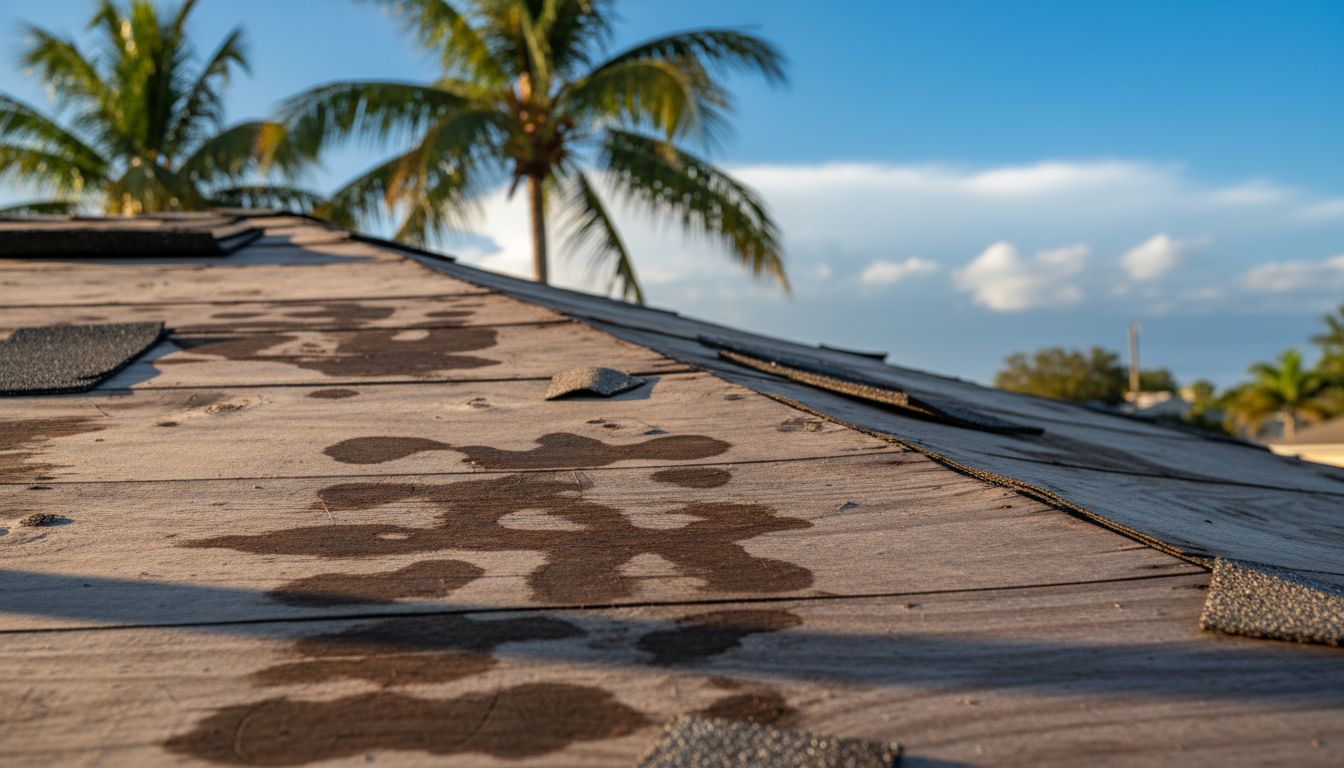
A trained roofer watches for deflection, spongy spots, and fastener "pull-through." Soft decking often means long-term leakage that never showed on the ceiling. - Attic verification (where the truth lives)
Pros check staining patterns, wet insulation, mold smell, rusty nail tips, daylight at penetrations, and ventilation balance. This step helps separate surface wear from active leakage.
If you're comparing materials because you suspect you're nearing roof replacement , this guide on metal roof vs shingle roof comparison helps you match storm performance to your budget and home style.
What you can safely check from the ground and in the attic
You can gather useful info without walking the roof. In fact, avoiding roof walking is smart in Florida, because heat, slick surfaces, and loose tiles make falls more likely.
From the ground (binoculars help):
- Look for lines that don't look straight : A dip at a ridge can hint at decking problems.
- Scan edges and corners : Missing shingles, lifted starter strips, or loose metal edging matter more than mid-field scuffs.
- Check valleys and wall lines : Dark streaks or debris dams in valleys can push water sideways.
- Watch for tile displacement : One "slid" tile can expose underlayment and start a chain reaction.
- Spot rust trails : Rust streaks under vents, on flashing edges, or at fasteners suggest corrosion and water movement.
In the attic (only when it's cool and safe):
- Follow the nail tips : Rusty nail points can mark ongoing moisture.
- Look for dark stains on decking : Stains with a glossy or damp feel are higher risk than old, dry marks.
- Check insulation under suspects : Wet insulation often hides the real leak path.
- Smell matters : A musty odor can mean slow leaks or poor ventilation, even without visible drips.
When should you call a roofer right away? If you see repeated stains that "grow" after storms, any sagging, exposed underlayment, or active dripping, don't wait for hurricane season.
For a high-level view of how a replacement project usually unfolds, including inspections and paperwork, see roof replacement process in Southwest Florida.
Printable roof inspection checklist table, plus 24 to 72-hour post-storm triage
Use this table like a printable quick reference. Check what you can safely see, then share it with your roofer.
| Area | What a roofer checks | Why it matters in SWFL | Homeowner-safe check? |
|---|---|---|---|
| Roof edges and corners | Drip edge, starter course, tile edge restraint, fastener pattern | Wind uplift starts here | Yes (ground view) |
| Ridges and hips | Ridge cap attachment, mortar or foam condition on tile, ridge vent integrity | High pressure zones in storms | Yes (ground view) |
| Valleys | Metal condition, debris dams, underlayment exposure | Concentrated water flow | Yes (ground view) |
| Wall transitions | Step flashing, kick-out flashing, counterflashing | Hidden leak path in wind-driven rain | Limited (ground view) |
| Pipe boots and vents | Cracks, loose clamps, sealant failure, rust | Common leak source | Limited (attic clues) |
| Field of roof | Shingle granule loss, tile displacement, metal panel movement | System-wide aging | Yes (ground view) |
| Fasteners and metal parts | Rust, backed-out screws, loose caps | Salt-air corrosion accelerates leaks | Limited (ground view) |
| Flat roof areas | Ponding, open seams, clogged drains | Standing water finds seams | Yes (safe perimeter view) |
| Attic and decking | Stains, wet insulation, soft spots, mold risk | Confirms active intrusion | Yes (attic only) |
After a storm, speed matters. Check these items within 24 to 72 hours , even if the roof "looks okay":
- Walk the yard first and photograph debris, fallen branches, and roof material pieces.
- Use binoculars to re-check edges, ridges, and penetrations for new movement.
- Go into the attic and look for fresh drips, damp decking, or wet insulation.
- Start drying inside immediately if you see water, because Florida heat can accelerate mold.
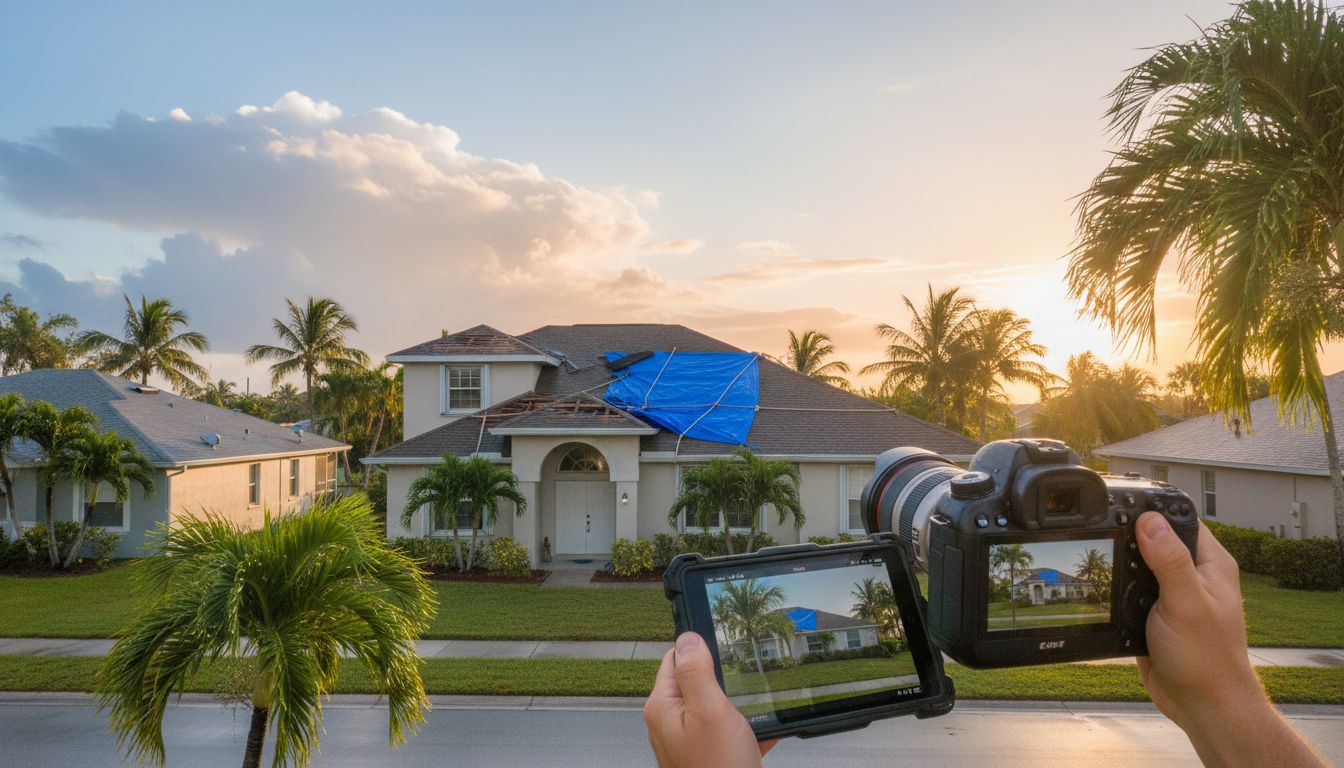
If water is getting in, temporary protection may be needed while you schedule repairs. This guide on emergency roof tarping in Southwest Florida explains what to do first and what to avoid.
At a high level, remember that permits and inspections often apply when repairs become large, or when you move into full replacement territory. For current Florida roofing code context, review FRSA's 2026 Florida Building Code updates and the baseline Florida Building Code residential roof provisions. For storm readiness planning, keep a simple pre-season list like this hurricane roof preparedness checklist.
Conclusion
A good roof inspection checklist focuses on the spots that fail first, edges, flashings, penetrations, drainage, and what the attic reveals. Start with safe ground and attic checks, then bring in a qualified roofer for anything that involves roof access. If small warning signs keep showing up after storms, you're usually closer to repairs or roof replacement than you think. The right inspection now is cheaper than new drywall later.