
Stone-Coated Steel Roofs in Southwest Florida (2026), Real pros and cons, salt-air corrosion, and what to ask your installer
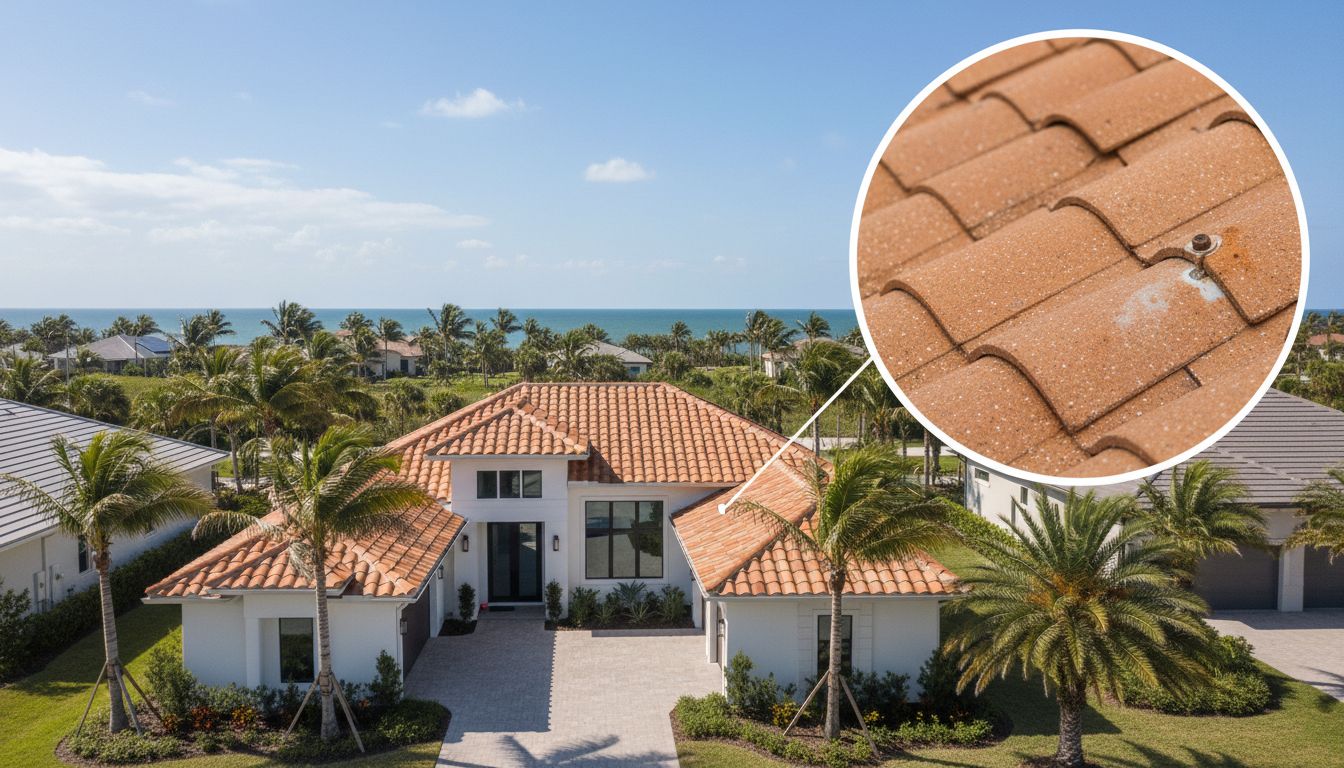
Salt air in Naples, Fort Myers, Cape Coral, and Sarasota doesn't just "weather" a roof, it slowly chews on every exposed detail. That's why more homeowners in 2026 are looking at a stone coated steel roof as a long-life upgrade that still looks like a tile roof or shake.
The upside is real: strong wind performance, low weight, and good impact resistance are all possible with the right system. The downside is also real: coastal corrosion mistakes usually show up at the edges, fasteners, and flashings, not in the middle of the panels.
If you're planning a roof inspection or a full roof replacement, use this guide to spot the tradeoffs and ask smarter installer questions.
What a stone-coated steel roof is (and where it fits vs. shingle, tile, and metal)
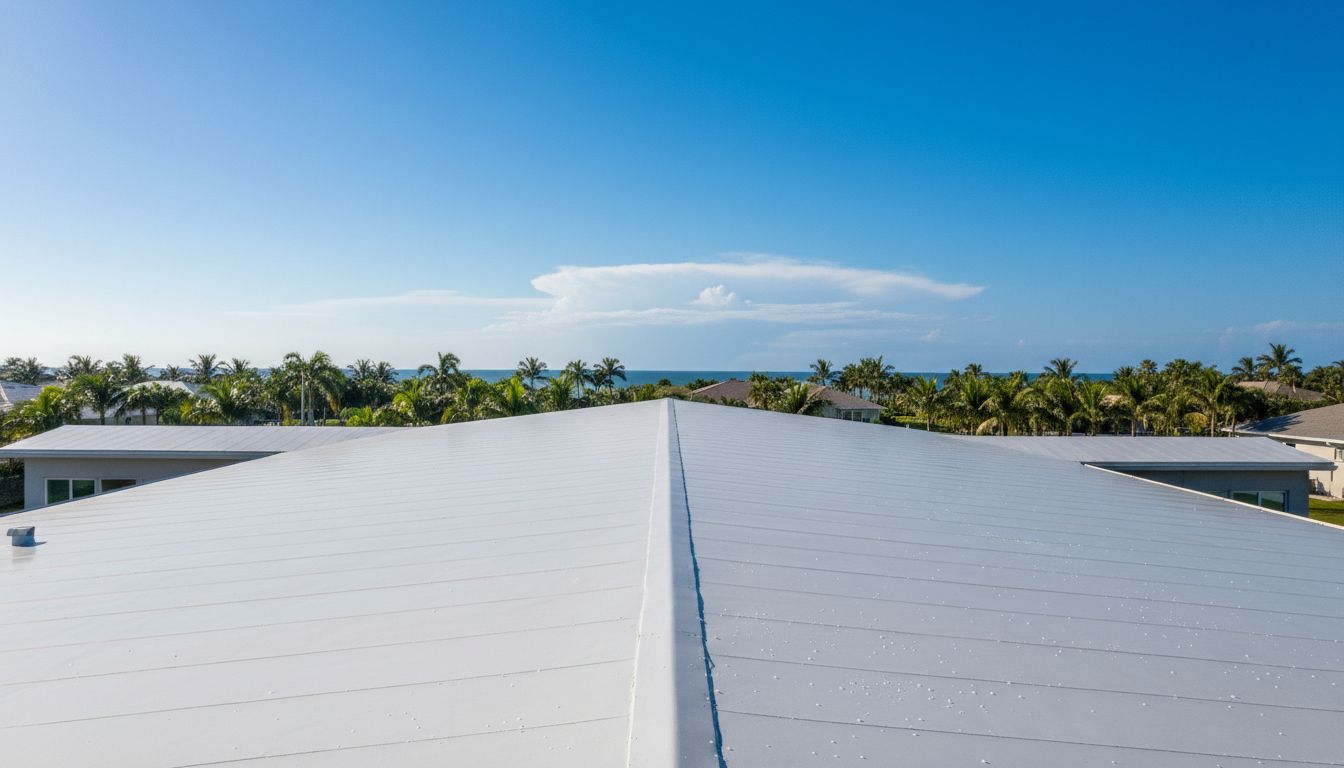
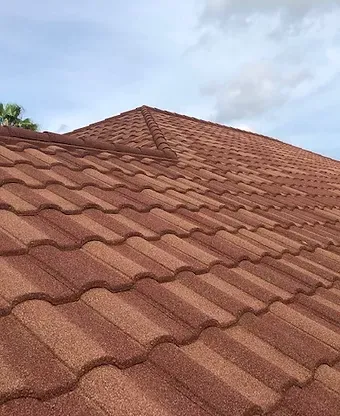
A stone-coated steel roof uses formed steel panels, a corrosion-resistant metallic coating (often zinc or aluminum-zinc), and a stone-granule finish bonded to the face. Think of it as a steel roof wearing "armor" that also hides the metal look.
In Southwest Florida, that combo can make sense when you want the appearance of a tile roof but don't want tile's weight and breakage risk. It can also be a practical step up from a shingle roof when you're tired of short service life near the coast.
Stone-coated steel is still a metal roof system, so installation details matter more than the sales brochure. In other words, a great panel on a sloppy flashing job is still a leak.
Here's a quick comparison to help narrow your shortlist:
| Roof type (SWFL) | Typical strengths | Common drawbacks in coastal air |
|---|---|---|
| Shingle roof | Lower upfront cost, common repairs | Shorter lifespan near salt and sun, algae streaking |
| Tile roof | Long life, classic look | Heavy, can crack, repairs can be pricey |
| Stone coated steel roof | Lighter than tile, strong wind performance potential, looks like tile or shake | More detail-sensitive install, coastal fasteners and edges must be right |
| Standing seam metal roof | Very long potential life, fewer exposed penetrations | Can cost more, finish selection matters near salt |
| Flat roof (home additions, lanais) | Works for low-slope areas | Drainage and seam upkeep are constant priorities |
| Commercial roof (TPO, coatings, BUR, etc.) | Designed for large low-slope areas | Maintenance is not optional, small failures spread fast |
If you're still choosing between a metal roof and a shingle roof, this local comparison helps frame the decision for 2026: metal roof vs shingle roof Southwest Florida. For broader background on metal profiles, see best metal roof types for Florida homes in 2026.
Bottom line: stone-coated steel often lands in the "tile look, metal performance" lane, but only when the installer treats coastal detailing like the main job, not the final step.
Real pros and cons in 2026: wind ratings, impact, heat, and insurance reality
Pros that matter on the Gulf Coast
Stone-coated steel systems are commonly selected here for three practical reasons.
First, they can achieve high wind resistance when the system is engineered, approved, and installed as tested. In Florida, that means the exact panel profile, fastener pattern, underlayment, and edge details that match the product approval and the permit set. A good roofer won't hand-wave this.
Second, impact resistance can be a strong point, depending on the product and assembly. That matters when summer storms toss debris, or when you get that sudden hail burst that seems impossible in Florida until it hits your neighborhood.
Third, weight is friendly compared to tile. That can reduce the chance of structural surprises during roof replacement, although your contractor still needs to confirm deck condition and attachment.
Cons homeowners usually discover late
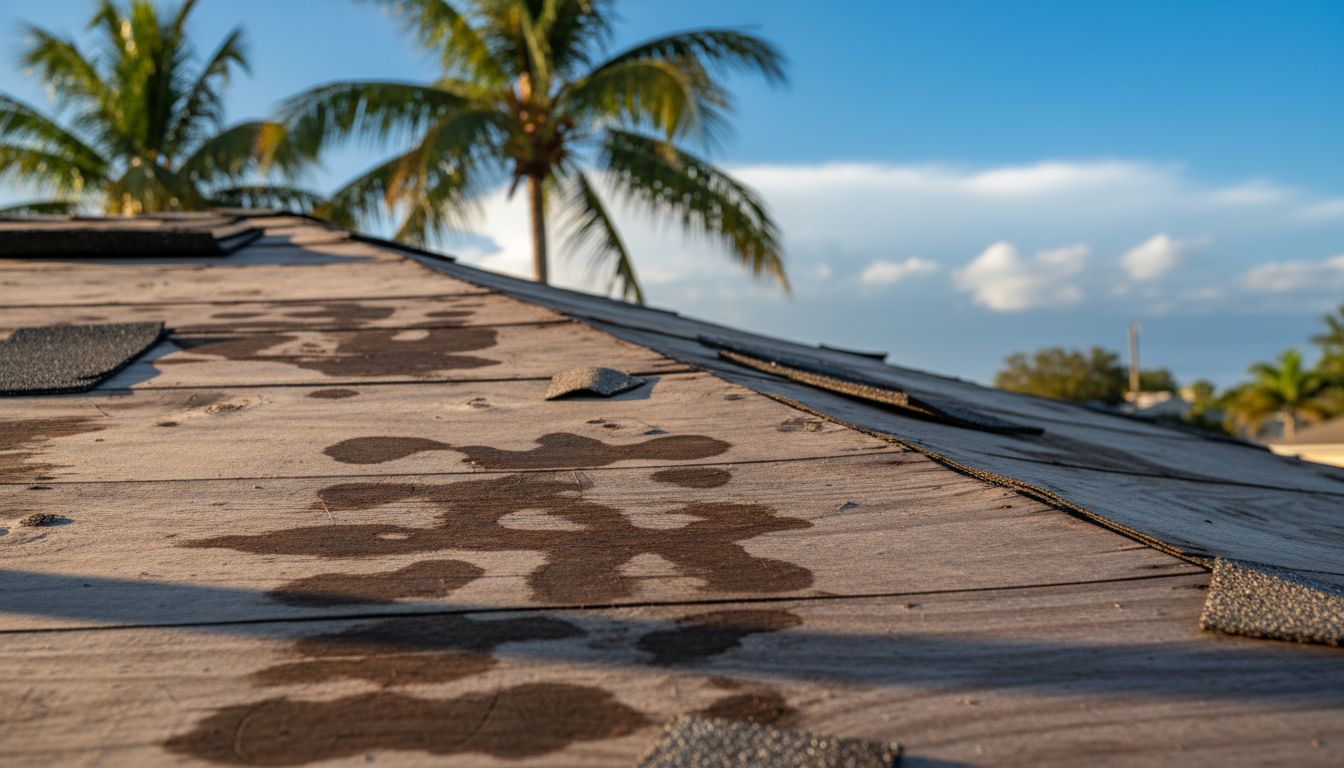
The most common disappointment is assuming "steel" means "no maintenance." Coastal roofs still need periodic roof inspection, especially at penetrations, valleys, and wall flashings.
The second issue is repair complexity. If a branch damages panels, matching the profile and color can take more work than patching shingles. It's not impossible, it's just different.
Finally, price can shock people who are comparing only to shingles. Stone-coated steel usually costs more than a shingle roof and may compete with some tile and premium metal options once you add Florida code details.
For a realistic starting point, use this local cost explainer and then adjust for your roof's complexity: stone coated steel roof cost SW Florida. Costs move based on tear-off layers, rotten decking, valley count, skylights, vent relocations, and how much upgraded edge metal and underlayment your design needs.
If two bids are far apart, it's often the "invisible" scope (edges, underlayment, corrosion-grade fasteners), not the panels.
Insurance is worth asking about, but keep expectations measured. Some insurers may credit wind features or roof age, and some may view metal favorably. Still, discounts vary, so check with your insurer and ask what documentation they require after installation.
Salt-air corrosion in Southwest Florida: how it happens, what fails first, and what to ask on install day
Salt corrosion isn't magic. It's chemistry plus time, and the coast supplies both.
The three corrosion paths that show up most
Salt deposition happens when wind leaves a thin salt film on the roof. Humidity keeps that film active, so metal details stay "wet" even without rain.
Crevice corrosion forms in tight gaps that trap salty moisture, for example under laps, at panel edges, inside valleys, and behind poorly seated flashings. You often won't see it until staining or pinholes appear.
Galvanic coupling happens when dissimilar metals touch in the presence of an electrolyte (saltwater film). A classic example is copper and steel in contact, or incompatible fasteners used on coated metal. The wrong pairing can eat through the weaker component faster than you'd expect.
For more background on coastal metal performance, this overview is helpful: metal roofing considerations for coastal areas.
The most vulnerable components (not the field panels)
In Southwest Florida, problems usually start at:
- Fasteners and washers (especially if they are not coastal-grade).
- Cut edges and drilled holes (where coatings get breached).
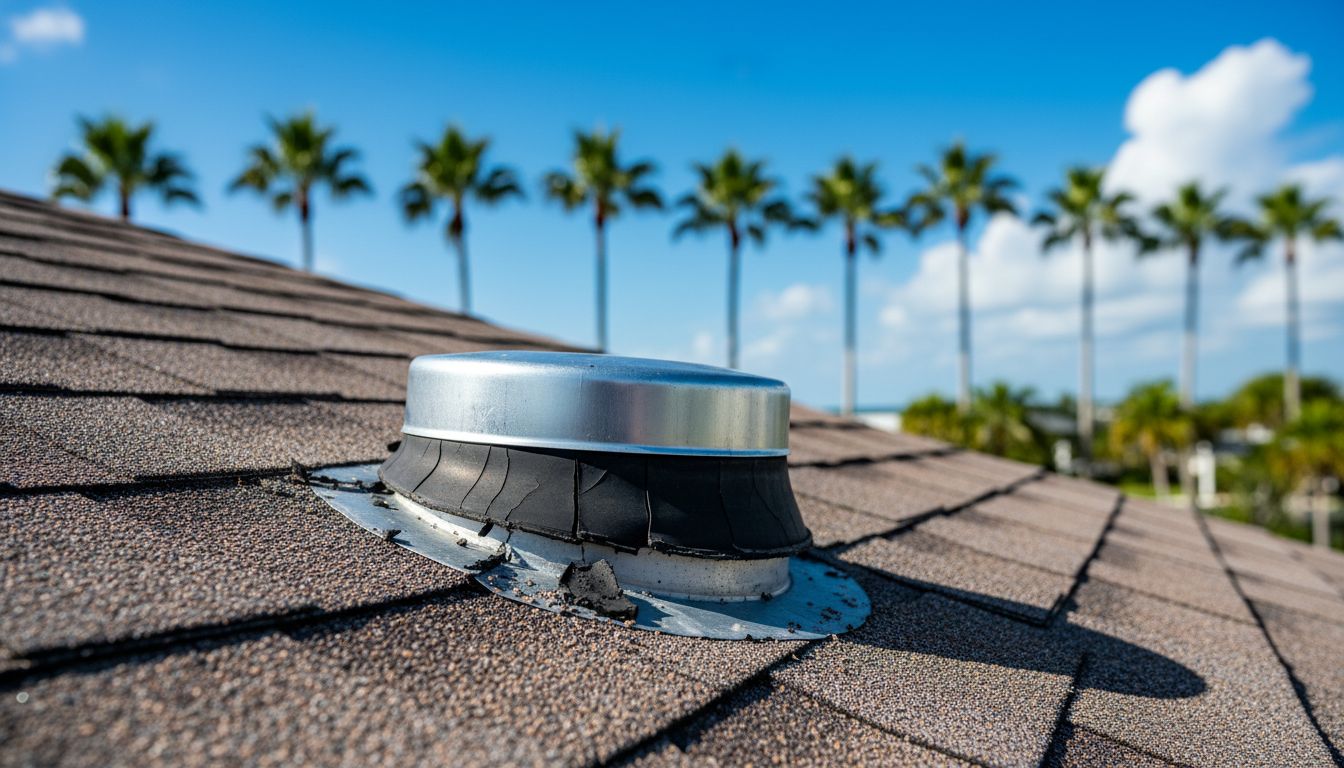
- Flashings at walls, chimneys, skylights, and pipe penetrations.
- Valleys and gutters (because they collect wet debris and salt).
- Dissimilar metal transitions (drip edge, straps, HVAC stands, solar mounts).
What to ask your roofing company before you sign
Use this short punch-list to compare quotes without getting lost in brand names:
- Product approval and assembly : Which Florida Product Approval (or Miami-Dade NOA, if applicable) matches the exact panel and install method on my permit set?
- Fastener spec : What fastener material and coating are you using within a few miles of saltwater, and why?
- Edge and valley metal : What metal type and thickness, and how will you isolate dissimilar metals?
- Cut-edge treatment : How are cut ends sealed, and what touch-up process is included?
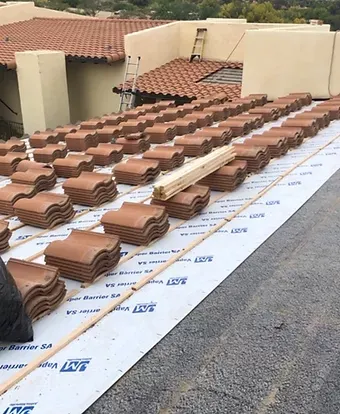
- Underlayment plan : What underlayment system goes in valleys, eaves, and penetrations for wind-driven rain?
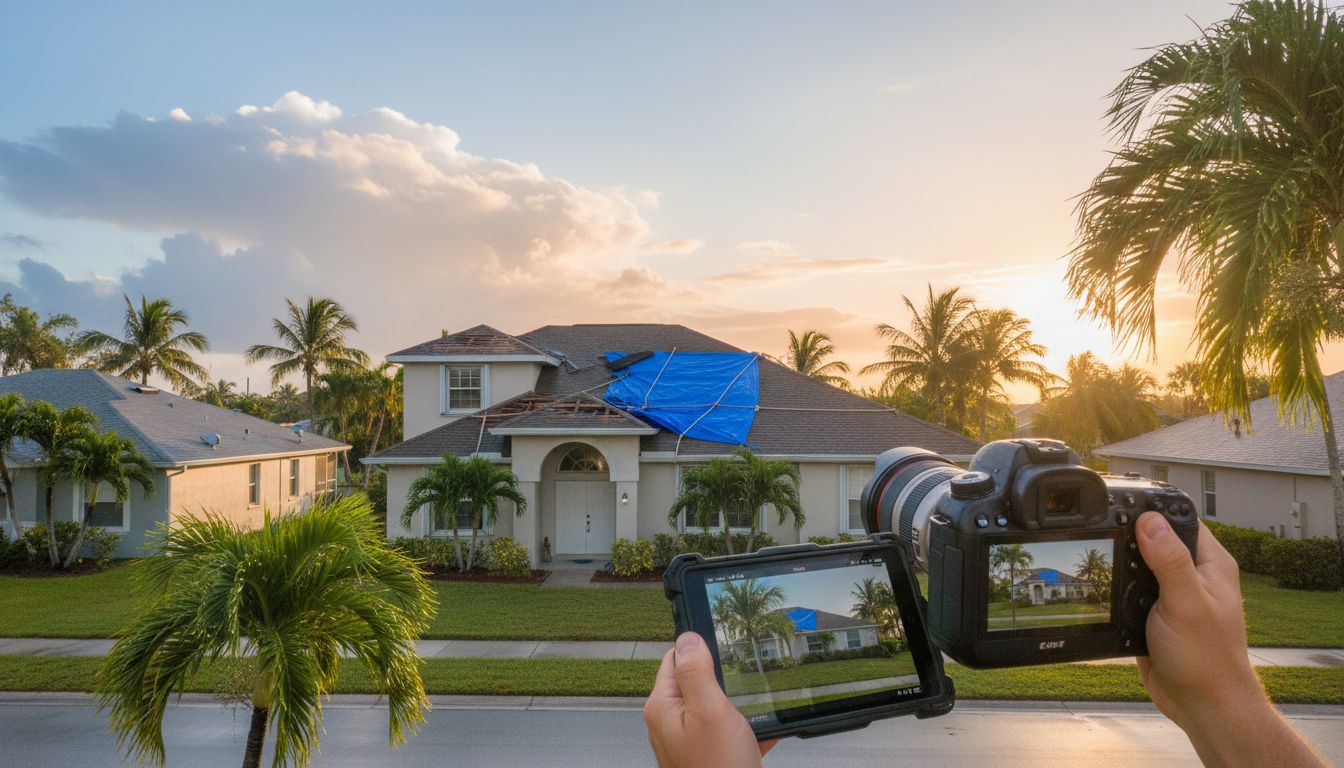
- Photo documentation : Will you provide install photos of decking repairs, underlayment, valleys, and flashings?
If you want to understand the permitting, inspections, and timing that should happen on any roof replacement, this step-by-step guide can help you set expectations: roof replacement process Southwest Florida.
A simple coastal maintenance routine (that prevents expensive surprises)
Plan on a professional roof inspection at least annually, and after major wind events. Between visits:
- Rinse light salt buildup when conditions allow, especially after long dry, windy stretches.
- Keep gutters and valleys clear, because trapped leaves hold salty moisture.
- Watch for rust staining at fasteners, vents, and flashing corners.
- Don't let other trades drill the roof without the roofer's flashing method.
- If you own a flat roof section or a commercial roof, keep drains clear and address ponding quickly.
Conclusion
A stone coated steel roof can be a smart fit for Southwest Florida in 2026, but it's not "set it and forget it." The best results come from coastal-grade details, documented approvals, and a roofer who treats fasteners, edges, and flashings as the main event. Schedule a roof inspection , compare bids line by line, and make your installer explain corrosion choices in plain language. That's how you get a roof that looks great now and stays tight through the next storm cycle.