
Peel-and-Stick Underlayment Vs Synthetic For Florida Roofs
Florida roofs don't fail like roofs in mild climates. Here, the real test is wind-driven rain that gets pushed sideways, heat that softens adhesives, and humidity that turns small gaps into long leaks.
If you're comparing peel-and-stick vs synthetic, focus on one idea first: your underlayment is the roof you're counting on when the roof covering gets damaged . That's why the right choice for roof underlayment florida often changes by roof type, location, and roof shape.
The goal is simple, dry-in the deck, keep it dry, and keep it tight when storms try to pry things apart.
What Florida roofs need from underlayment in 2026 (code, permits, proof)
Underlayment is not optional on permitted work, and Florida has continued to tighten expectations around water resistance and wind performance. If you want a plain-language snapshot of current changes and what contractors are watching in February 2026, start with the FRSA summary of 2026 Florida Building Code updates. For background on the state's push toward better roof assemblies and sealed roof decks, this official PDF is also helpful: Florida Building Code roofing fact sheet.
Two practical points matter for homeowners:
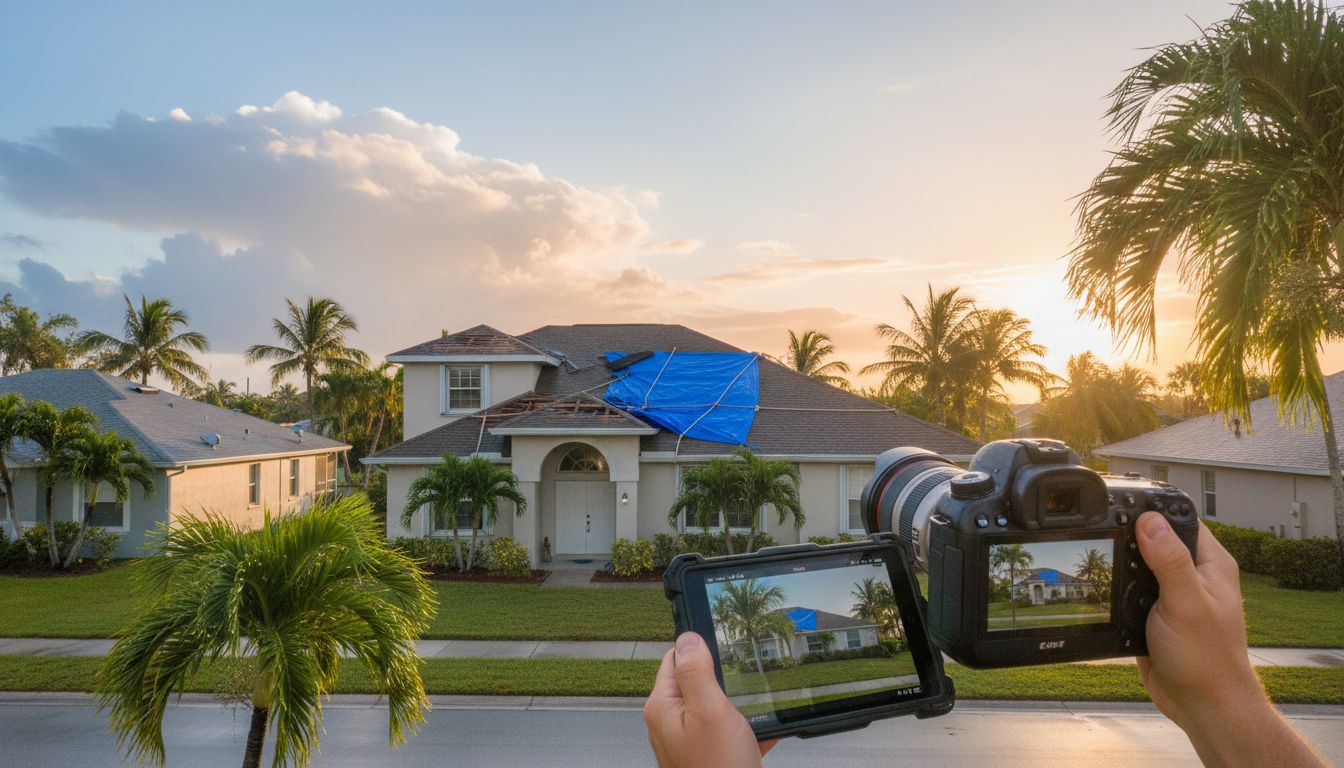
First, permits and inspections protect you . During a roof replacement, the building department is checking laps, edges, valleys, and how the roof gets dried-in. That paper trail also helps later with resale and insurance questions.
Second, Florida isn't one big "wind zone." Miami-Dade and Broward (HVHZ) often require stricter assemblies and approvals than inland areas. Even outside HVHZ, coastal exposure still raises the stakes because edges and corners see higher uplift.
If your goal is storm backup protection that's easy to document, learn how Florida contractors treat this as a system, not a single roll of material: secondary water barrier in Florida.
If a proposal doesn't name the exact underlayment (brand, type, approval), you're not comparing real scopes. You're comparing guesswork.
Peel-and-stick vs synthetic underlayment in Florida, what actually goes wrong
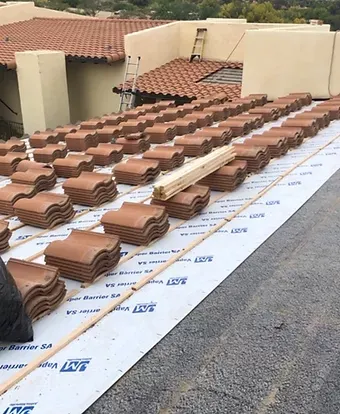
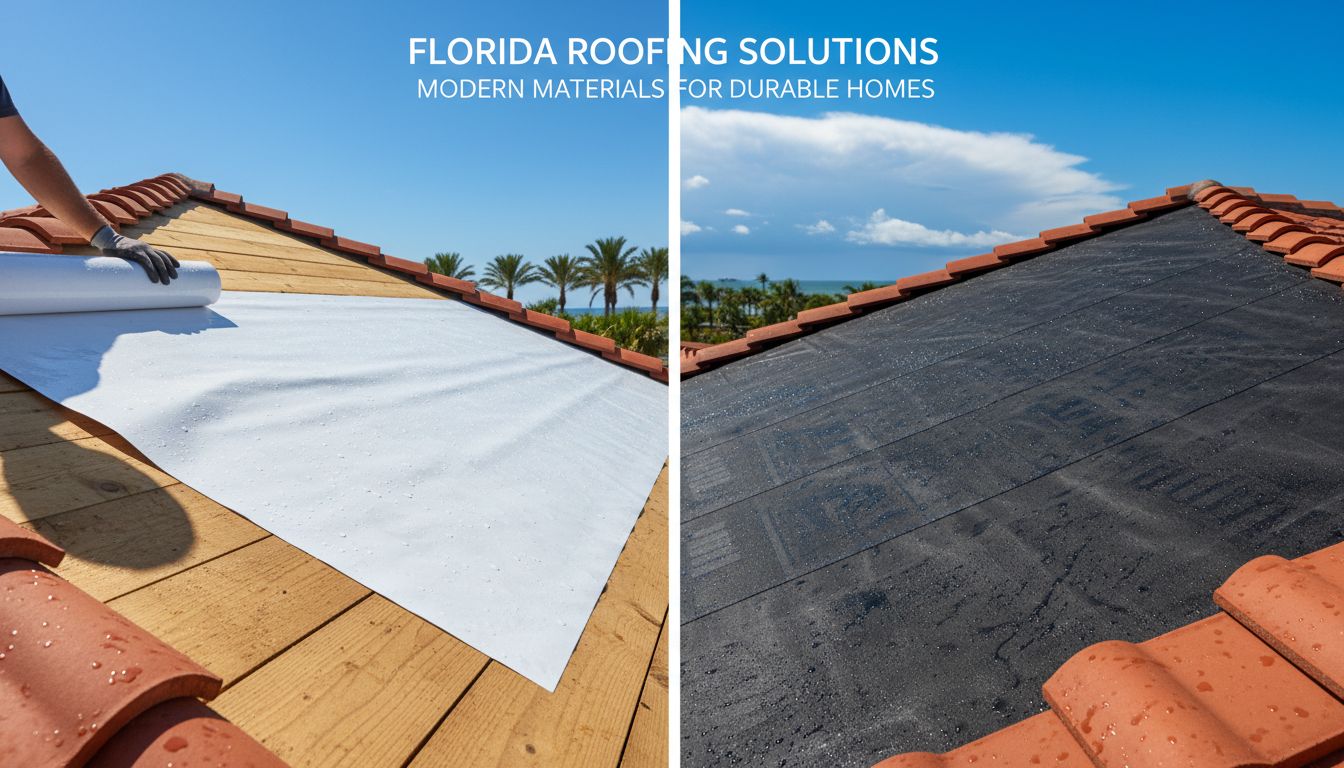
Peel-and-stick (self-adhered) membranes seal to the deck and self-seal around fasteners. That's why many homeowners like them for hurricane season. Synthetic sheets don't bond to the deck, they're mechanically fastened, so installation details matter more.
In Florida, the most common failure modes are predictable:
Wrinkling and telegraphing happens when the deck is uneven, damp, or the underlayment is installed with slack. With a shingle roof, those wrinkles can "print through" and show as lines. Even if it's only cosmetic, it signals weak workmanship.
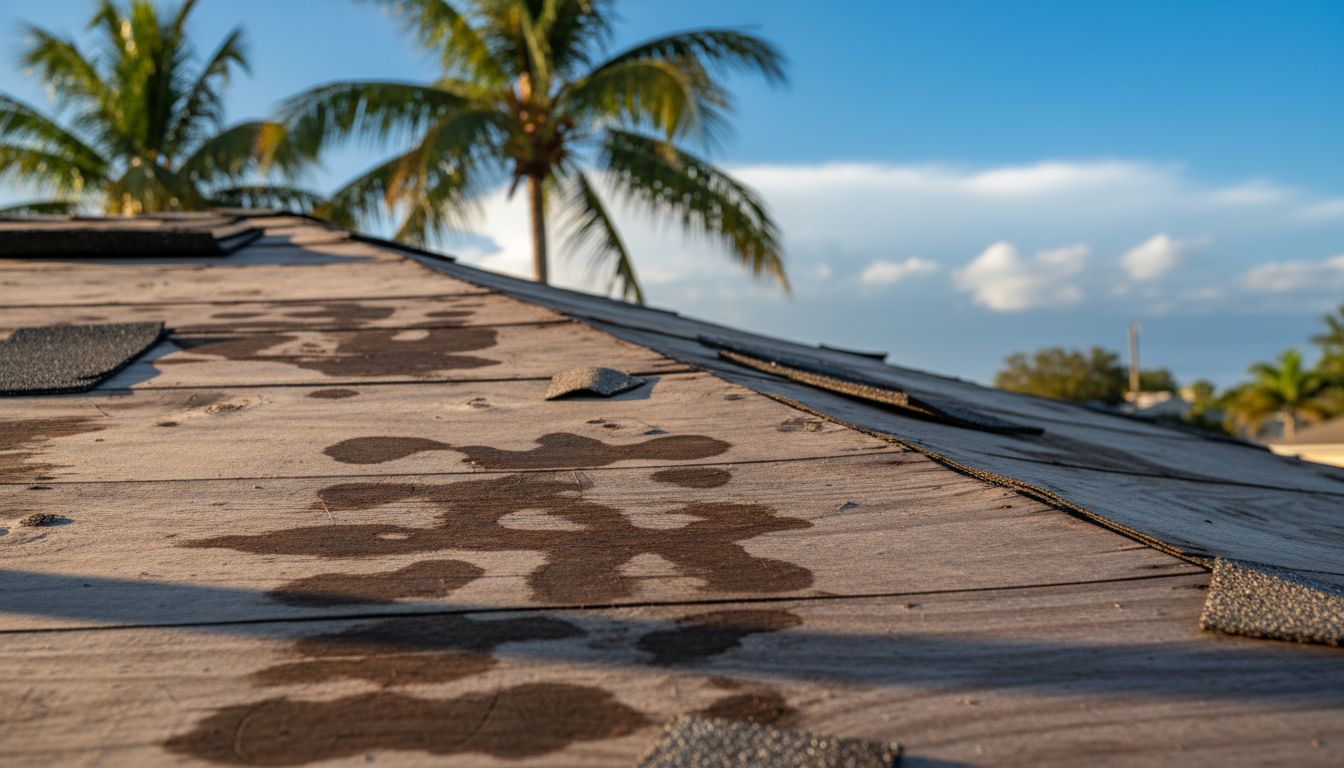
Trapped moisture is the quiet problem. Peel-and-stick can lock moisture against the deck if a crew installs it over damp plywood or OSB, or if the attic has chronic humidity and poor ventilation. Over time, that can mean deck swelling, fastener movement, and mold risk.
Adhesive issues in heat show up when crews rush. If the membrane isn't rated for high temperatures (especially under a metal roof), the adhesive can soften, slide, or lose grip. Good installers avoid this with correct product selection and deck prep, then roll the membrane tight.
Fastener blow-offs are more common with synthetic sheets. If the crew uses the wrong fasteners, misses spacing, or leaves laps vulnerable, wind can get under the sheet and peel it back during a storm (sometimes before the roof covering is fully installed).
For HVHZ context and why approvals matter, this manufacturer code document is a useful example of how underlayments are tied to Florida requirements: Florida building code underlayment guidance for HVHZ.
Clear recommendations by roof type, region, and roof geometry
A good roofer doesn't pick underlayment in a vacuum. They match it to the roof system, the exposure, and the "problem areas" where water concentrates.
Shingle roof (most common choice, biggest uplift risk at edges)
For many inland Florida homes with simple roof lines, high-quality synthetic underlayment can perform well, if the installer uses correct cap fasteners, tight laps, and careful valley detailing.
However, if you're coastal, in a high-wind neighborhood, or you have lots of valleys, peel-and-stick on the full deck (or at least a hybrid with peel-and-stick in valleys, eaves, and penetrations) is usually money well spent. Shingles can lift, and once wind-driven rain gets under a course, the underlayment is the last line of defense.
Metal roof and stone coated steel roof (heat and movement change the rules)
Under a metal roof, underlayment selection is heavily about heat rating and long-term stability. High-temp peel-and-stick is often the safer pairing because it seals around fasteners and resists wind-driven rain when panels or trims get damaged.
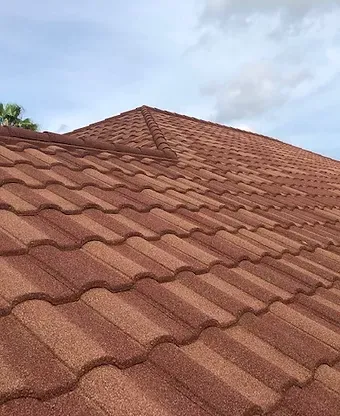
A stone coated steel roof behaves like a metal system in many ways, so the same "high-temp, well-sealed details" thinking applies. If you're comparing metal to shingles, this local guide gives helpful context on performance and cost: metal roof vs shingle roof.
Tile roof (the underlayment matters more than most people realize)
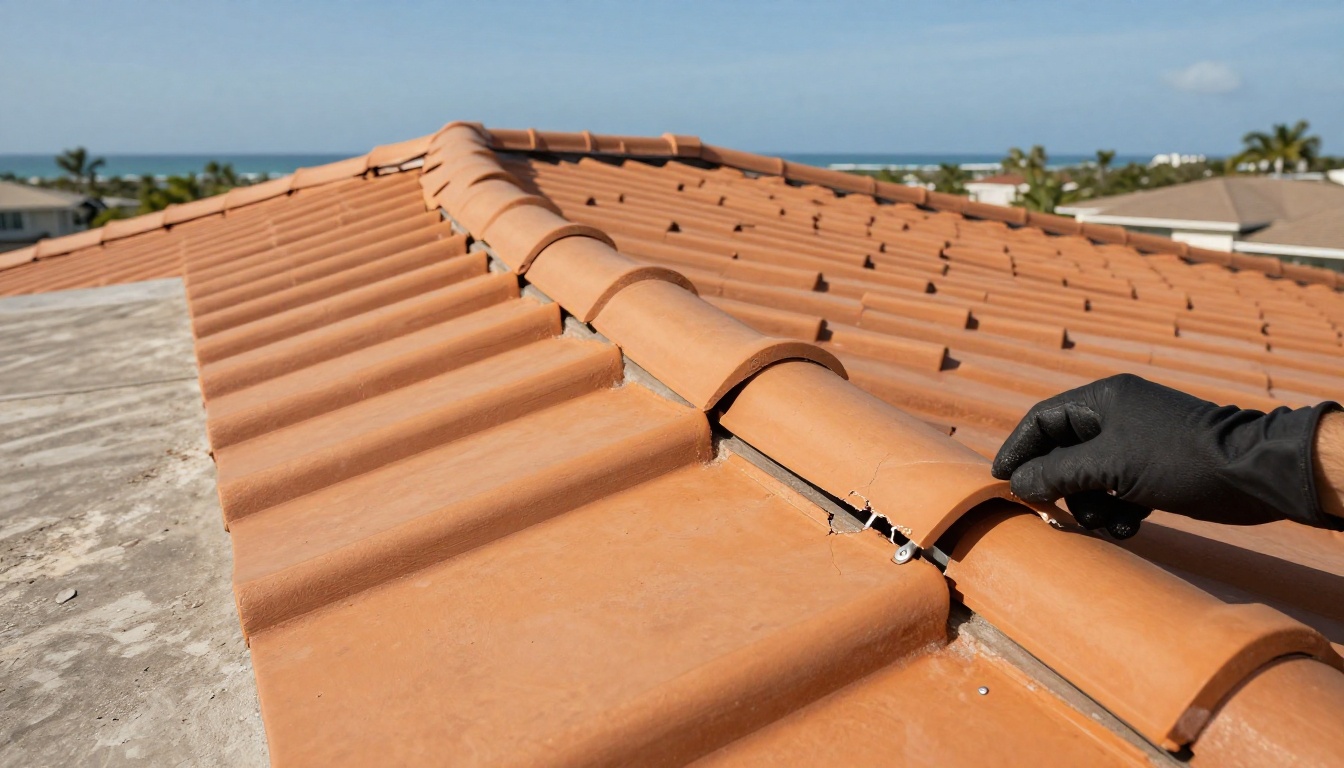
With a tile roof, tiles shed most water, but underlayment is doing the real waterproofing. Because tiles can crack, shift, or blow off in extreme wind, many Florida tile assemblies lean toward peel-and-stick or robust hybrid detailing, especially in valleys and at roof-to-wall transitions.
Coastal salt air also punishes metals and fasteners, so small leaks at flashings can become recurring problems if the underlayment can't hold the line.
Low-slope areas, flat roof sections, and commercial roof tie-ins
If your home has a flat roof section (common on lanais and additions), don't treat it like a shingle project. Low slope holds water longer, so seams and transitions become everything. Many flat systems use membranes designed for low slope, not the same underlayments used on steep-slope roofs. For homeowners managing these areas, this explainer helps: flat roof materials.
For a commercial roof, the same principle applies: match the system to drainage, penetrations, and edge termination details, then document it.
Peel-and-stick vs synthetic, side-by-side comparison (including typical price ranges)
These ranges are typical 2026 Florida pricing for underlayment only (material plus installed labor), and they swing with deck condition, complexity, and whether you cover the full deck or only critical zones.
| Category | Peel-and-stick (self-adhered) | Synthetic underlayment | Florida notes (2026) |
|---|---|---|---|
| Water resistance | Excellent, fully bonded | Good, depends on laps and fasteners | Peel-and-stick helps when wind drives water sideways. |
| Nail/fastener sealing | Self-seals around penetrations | Does not self-seal | Matters for storms and for metal fastener penetrations. |
| Heat performance | Must be high-temp for metal/tile | Generally stable, but varies by grade | Wrong membrane can slip or lose bond in high heat. |
| Common failure modes | Adhesive failure on dusty/damp decks, trapped moisture, wrinkles | Blow-offs, torn sheets, leaks at fasteners/laps | Deck moisture and workmanship are the deciding factors. |
| Warranty/compatibility | Must match the roof covering's approved assembly | Must match the roof covering's approved assembly | Confirm Florida Product Approval and any HVHZ requirements. |
| Typical installed price | $0.50 to $2.00+ per sq ft | $0.25 to $0.75 per sq ft | Full-deck peel-and-stick costs more; hybrids can control budget. |
Takeaway: synthetic often wins on cost and speed, peel-and-stick often wins on storm backup and sealing, especially on complex roofs and coastal exposure.
Questions to ask a roofer, and proposal red flags to avoid
When you're hiring a roofing company, ask questions that force clarity. You'll get better bids, and you'll avoid "apples to oranges" scopes.
Questions to ask before signing:
- Will you complete a documented roof inspection (photos of decking, valleys, penetrations)?
- Which underlayment brand and exact product will you install, and what approvals does it carry?
- Is this full-deck coverage or a hybrid (and where exactly does peel-and-stick go)?
- How will you verify the deck is dry, clean, and properly fastened before membrane install?
- What underlayment do you recommend for my roof type (shingle roof, tile roof, metal roof), and why?
- How will you detail valleys, roof-to-wall transitions, skylights, and vents?
If insurance documentation matters, also ask how the install will be proven for credits later. This overview explains what gets verified on Florida forms: Florida wind mitigation report.
Red flags in proposals:
- The bid says "install underlayment" but doesn't name product, approvals, or method.
- No mention of valleys, penetrations, or drip edge integration.
- The contractor downplays permits, or suggests skipping them to "save time."
- No plan for deck replacement costs if rot or swelling is found.
- The scope ignores roof geometry (complex intersections cost more for a reason).
The best proposal reads like a plan for water, wind, and paperwork, not just a material list.
Conclusion
Peel-and-stick and synthetic can both work in Florida, but they fail in different ways. Match the choice to your exposure, roof complexity, and roof type, then insist on clean deck prep and clear documentation. When your roof covering gets damaged, the underlayment decides how much water stays out, and how much ends up on your drywall. Choose the system that gives you the best storm backup , not just the lowest line item.