
Reflective Roof Coatings In Southwest Florida: Best Uses And Red Flags
Southwest Florida roofs take a daily beating. Sun bakes surfaces, salt air speeds corrosion, and summer storms test every seam. So it's no surprise that reflective roof coatings keep coming up in conversations about comfort and maintenance.
Here's the bottom line: a roof coating can be a smart restoration tool, but only when the roof is a good candidate. Think of it like sunscreen on healthy skin. It helps, but it doesn't heal a deep wound.
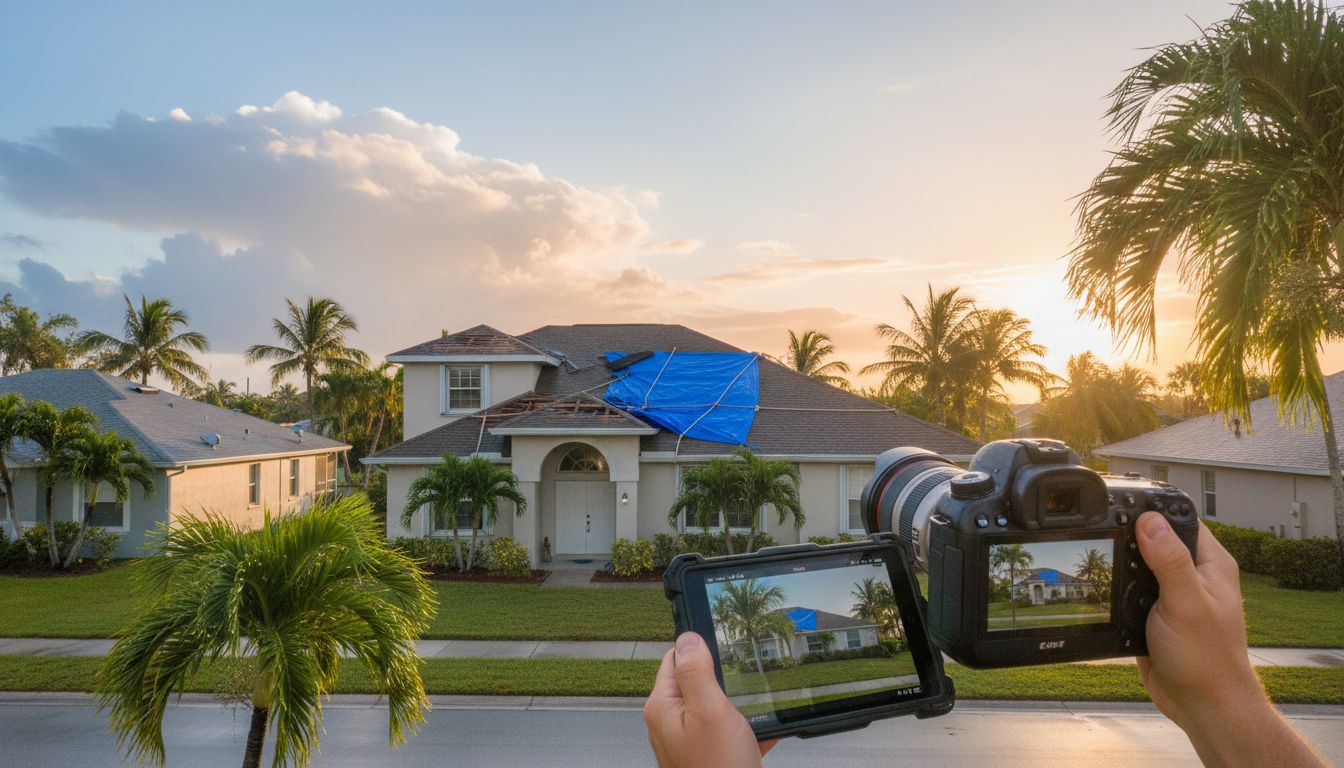
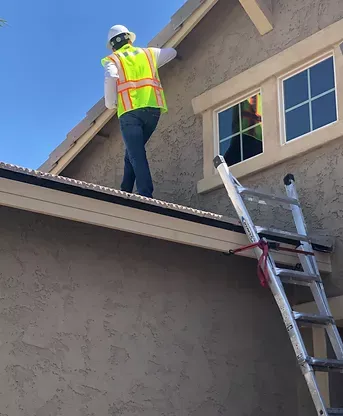
If you're weighing a coating versus repairs or a full roof replacement, start with a clear roof inspection and an honest look at the red flags below.
Where reflective roof coatings make sense in SWFL (and where they don't)
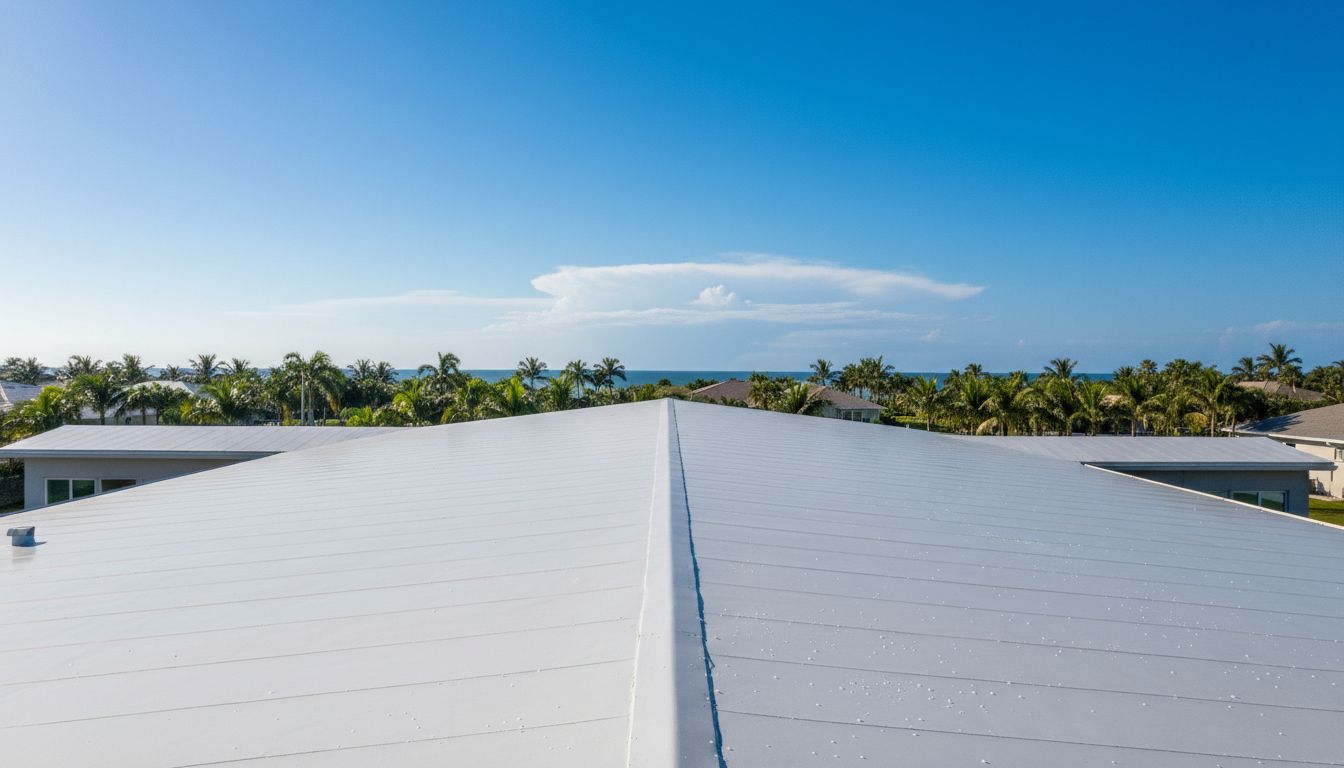
Reflective coatings are fluid-applied membranes designed to protect and reflect heat. In February 2026, "cool roof" upgrades are still a strong trend in Florida, mainly because light-colored surfaces can reduce heat buildup on low-slope roofs and metal panels. That said, coatings aren't one-size-fits-all.
They're often a great fit for a flat roof or low-slope system, especially when the existing roof is structurally sound and still shedding water correctly. Many commercial roof owners use coatings as part of a planned maintenance cycle because recoating can be less disruptive than a tear-off, and it can help manage rooftop temperatures.
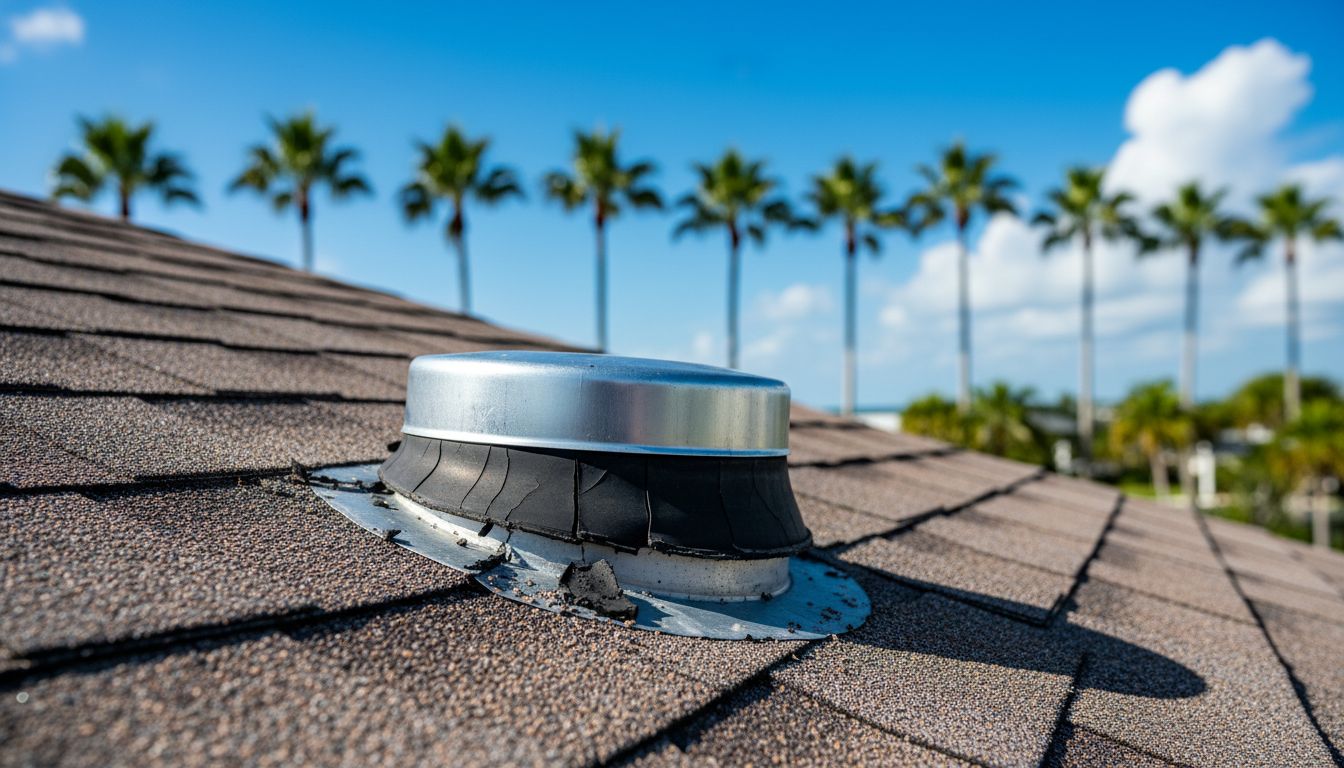
Coatings can also work well as a restoration option on certain metal roof systems, especially when the main issues are aging fastener gaskets, minor oxidation, and tired sealant at details. The catch is that rust-through, failed laps, and loose panels are not "coat-and-go" problems.
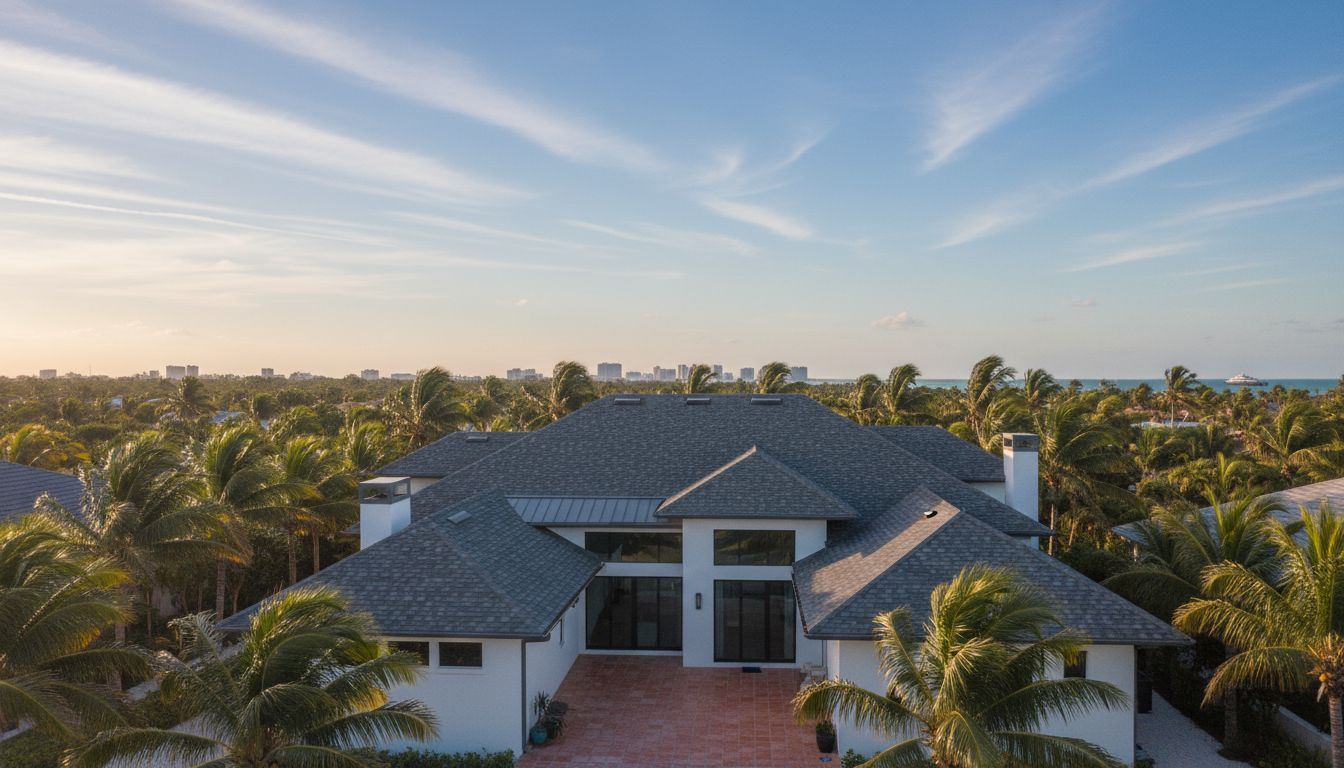
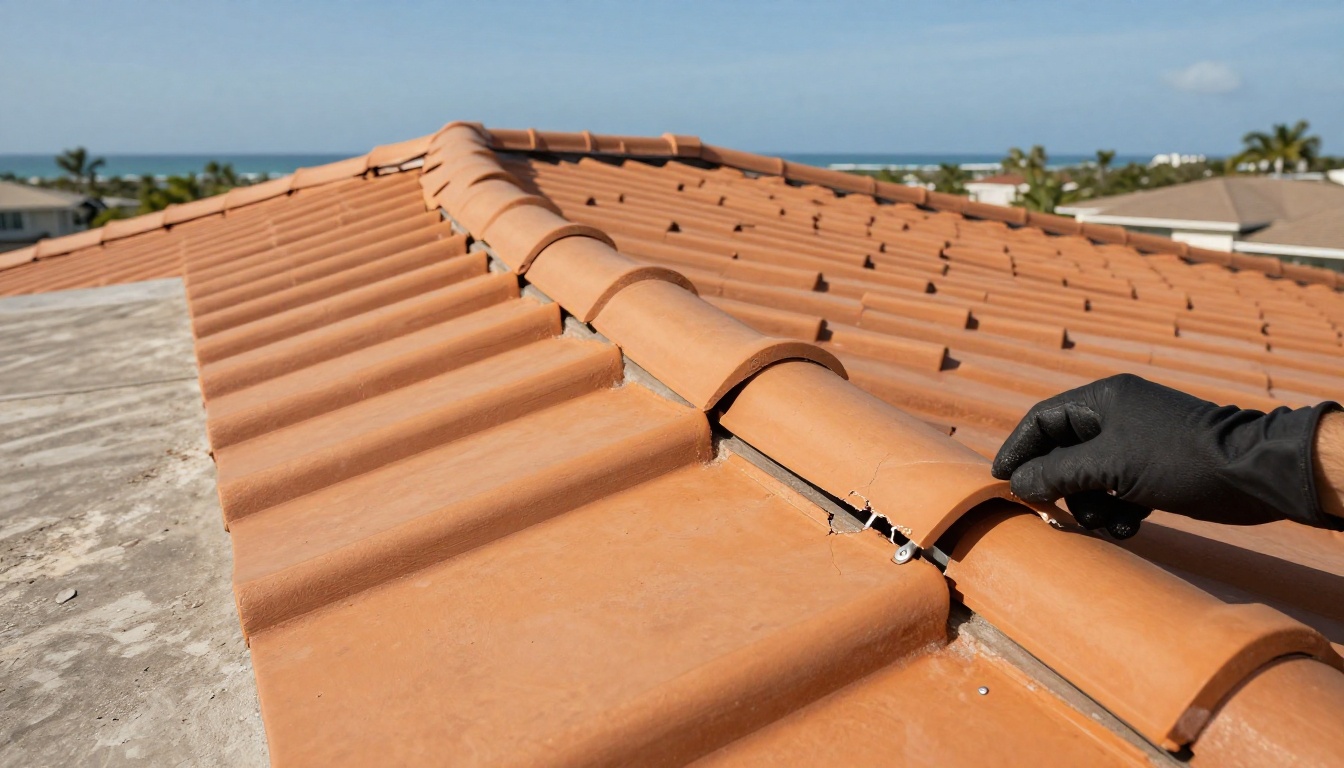
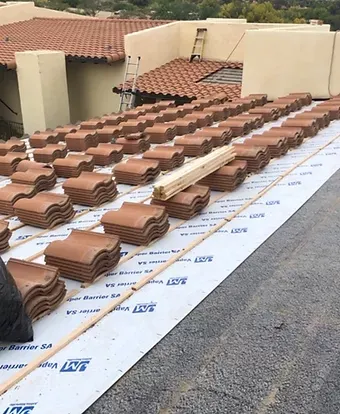
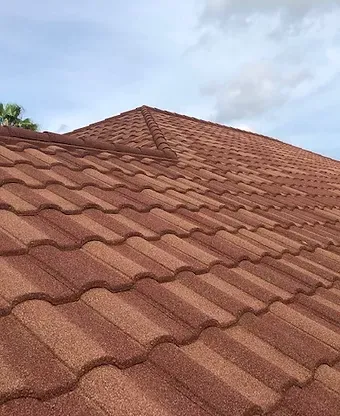
On the other hand, coatings are usually not the right move for steep-slope residential systems like a shingle roof or tile roof . Those systems shed water by design, and they rely on laps, underlayment, and flashing details that a surface coating can't "re-engineer." A stone coated steel roof may have its own manufacturer limits too, so a roofer should confirm what's allowed before any product touches the surface.
If you want a practical overview of what coating systems are meant to do (and what they can't), see roof coating options in Cape Coral.
Acrylic vs silicone vs polyurethane: picking a coating that matches your roof
Coating failures in Southwest Florida usually come from mismatches. Either the product chemistry doesn't fit the substrate, or the roof drains poorly, or the installer skips key prep. The coating type matters, but so does the whole assembly underneath.
Here's a simple comparison to help you discuss options with your roofing company. Always follow the manufacturer's specs for primers, warranties, and required dry film thickness.
| Coating type | Where it tends to fit best | Strengths in SWFL | Common watch-outs |
|---|---|---|---|
| Acrylic | Metal restoration, some low-slope roofs with good drainage | Reflective, often cost-friendly, easy to recoat | Struggles with chronic ponding water, can wear faster in standing water |
| Silicone | Low-slope roofs where ponding happens | Handles ponding better, stays flexible in heat and rain | Dirt pick-up can reduce reflectivity over time, can be slippery for foot traffic |
| Polyurethane | High-traffic areas, hail or impact-prone zones, base coat under other systems | Tough film, good abrasion resistance, strong adhesion when specified | Often higher cost, solvent odor and overspray control matter |
Acrylic systems often make sense for metal restoration when drainage is good and the goal is reflectivity plus renewed waterproofing at fasteners and seams. Silicone is commonly chosen for low-slope roofs that can't fully eliminate ponding, although "silicone fixes ponding" is still the wrong takeaway. Standing water is a roof design and drainage problem first.
Polyurethane is frequently used when durability and foot traffic matter, like around HVAC service paths. In some systems it's paired with a silicone top coat for reflectivity.
If you want extra context on how coatings are discussed locally, this overview is a useful starting point: reflective roof coatings in SW Florida. Just remember, the right choice depends on your roof type, drainage, and condition, not a single blog post.
Red flags to take seriously (plus prep, hurricane details, and cost expectations)
A coating job should start with truth, not optimism. If a contractor won't talk about moisture, drainage, and adhesion testing, pause the project.
If insulation is wet, seams are failing, or the deck is compromised, a coating becomes a cover-up, not a repair.
Red flags that often mean "don't coat it"
A qualified roofer can sometimes correct these issues first, but you shouldn't coat over them:
- Chronic ponding water : If water sits for days, expect accelerated wear and higher risk of leaks. Fix slope, drains, scuppers, or gutters first. This is especially common on older flat roof areas and additions. (For more on drainage and maintenance, see flat roof materials and maintenance in Southwest Florida.)
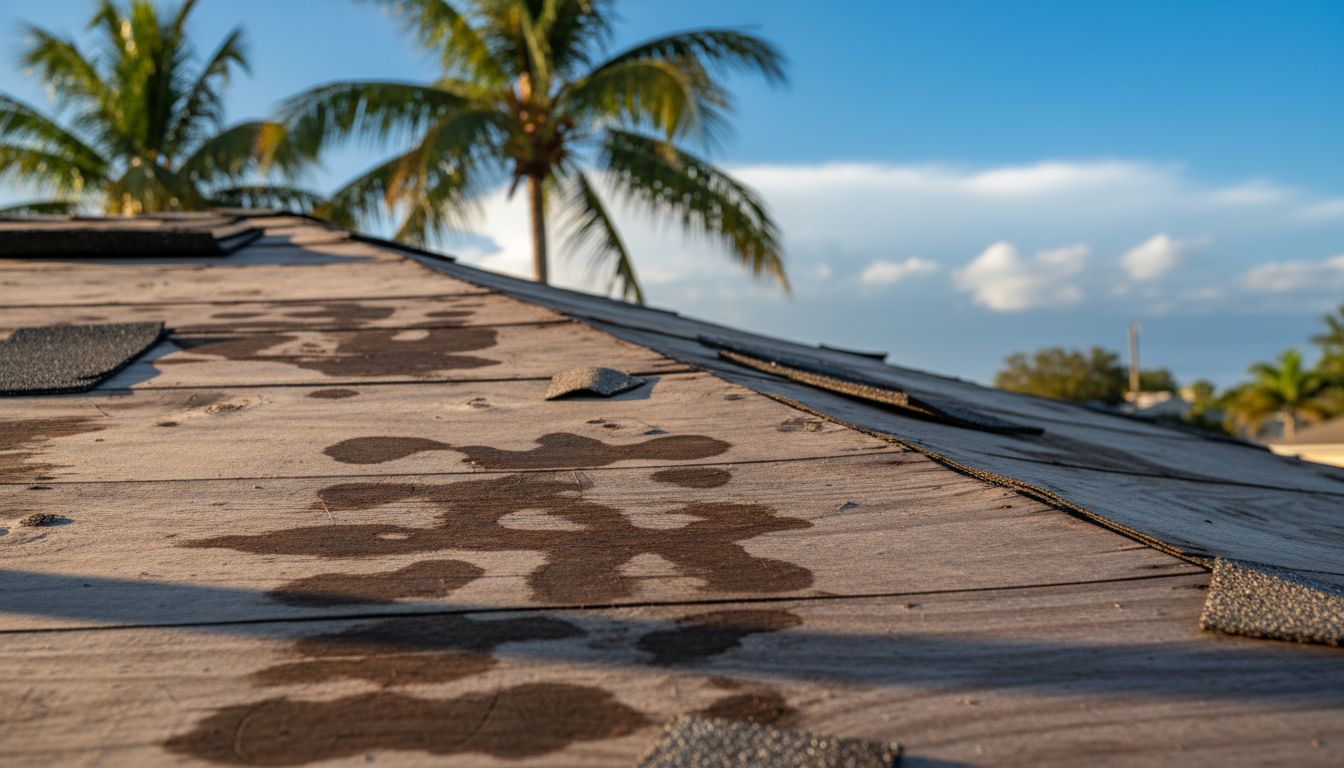
- Wet insulation or saturated substrate : Coating over trapped moisture can cause blisters, delamination, and continued interior damage. Moisture scanning, core samples, and targeted tear-outs matter.
- Active leaks and structural movement : A coating doesn't fix cracked decking, loose nailers, or failing parapets. Those problems call for repairs or roof replacement planning.
- Peeling, chalking, or unknown existing coatings : "Painting over mystery material" is a common failure path. Compatibility and adhesion tests should guide the system choice.
- Rust-through on metal : Surface oxidation can be treated, but perforations and thin metal need panel repair or replacement before any coating.
- Seam failures on single-ply : If seams are opening, a coating isn't the first step. Seams and flashings need proper membrane repair and reinforcement.
Prep steps that separate a coating system from "white paint"
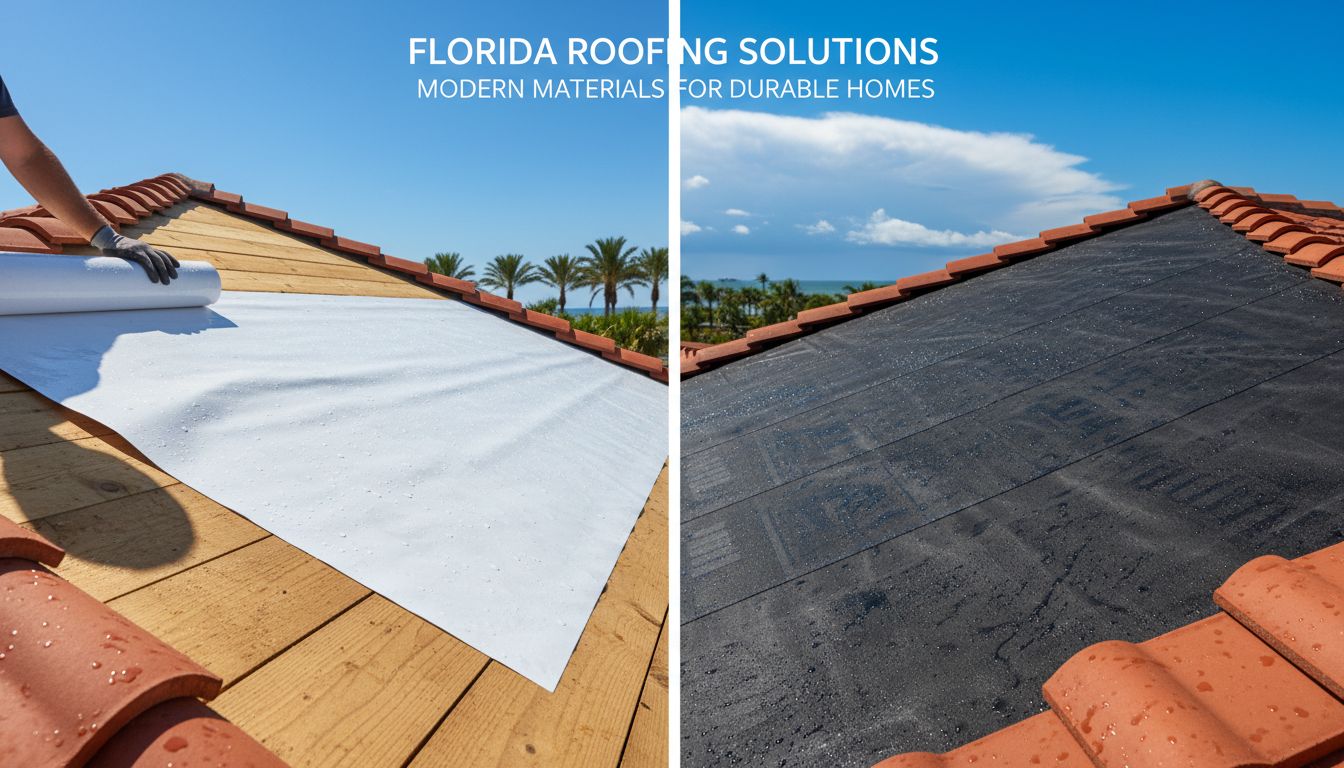
Good prep is most of the job. Expect steps like cleaning, biocide treatment for algae and growth, rust treatment on metal, primer when specified, and reinforcement at seams and penetrations. Details matter because Florida rain doesn't politely fall straight down, it blows sideways.
Thickness matters too. In coating terms, "mil thickness" is protection. Thin coats wear fast, and they fail first at scuppers, edges, and walk paths.
Hurricane reality check
Coatings can help waterproofing and UV resistance, but they don't upgrade wind resistance by themselves. Hurricane performance still depends on edge metal, flashing, fasteners, and whether the roof assembly meets uplift requirements. For practical wind guidance on low-slope systems, review Florida's Hurricane Retrofit Guide for membrane roofs.
Cost and lifecycle planning (without hype)
Pricing in Southwest Florida depends on roof condition, height and access, how much detailing is needed, and whether moisture remediation is required. As a rough planning range, many coating projects land around $2.50 to $7.00 per square foot , while extensive repairs, tear-offs, or metal retrofits can push higher. Recoat cycles commonly fall in a 5 to 15-year window, depending on chemistry, thickness, drainage, and foot traffic.
If your inspection shows widespread wet insulation, failing flashings, or an aging system near end of life, shift the conversation to a real plan for replacement. This guide helps you understand timelines and what a solid scope should include: the roof replacement process in Southwest Florida. For material context when you're comparing long-term options (tile, metal, shingles), this resource is also helpful: best roof materials for Florida homes.
Conclusion
Reflective roof coatings can be a smart way to extend the service life of the right flat or metal system in Southwest Florida. Still, the success comes from moisture testing, drainage correction, and detail work, not just a bright white finish. If you're seeing ponding, peeling, rust-through, or repeat leaks, schedule a roof inspection and ask direct questions about substrate condition and system compatibility. Done right, reflective roof coatings support maintenance goals, but they should never replace real repairs or a needed roof replacement.