
7 Signs of Storm and Wind Damage on Your Roof
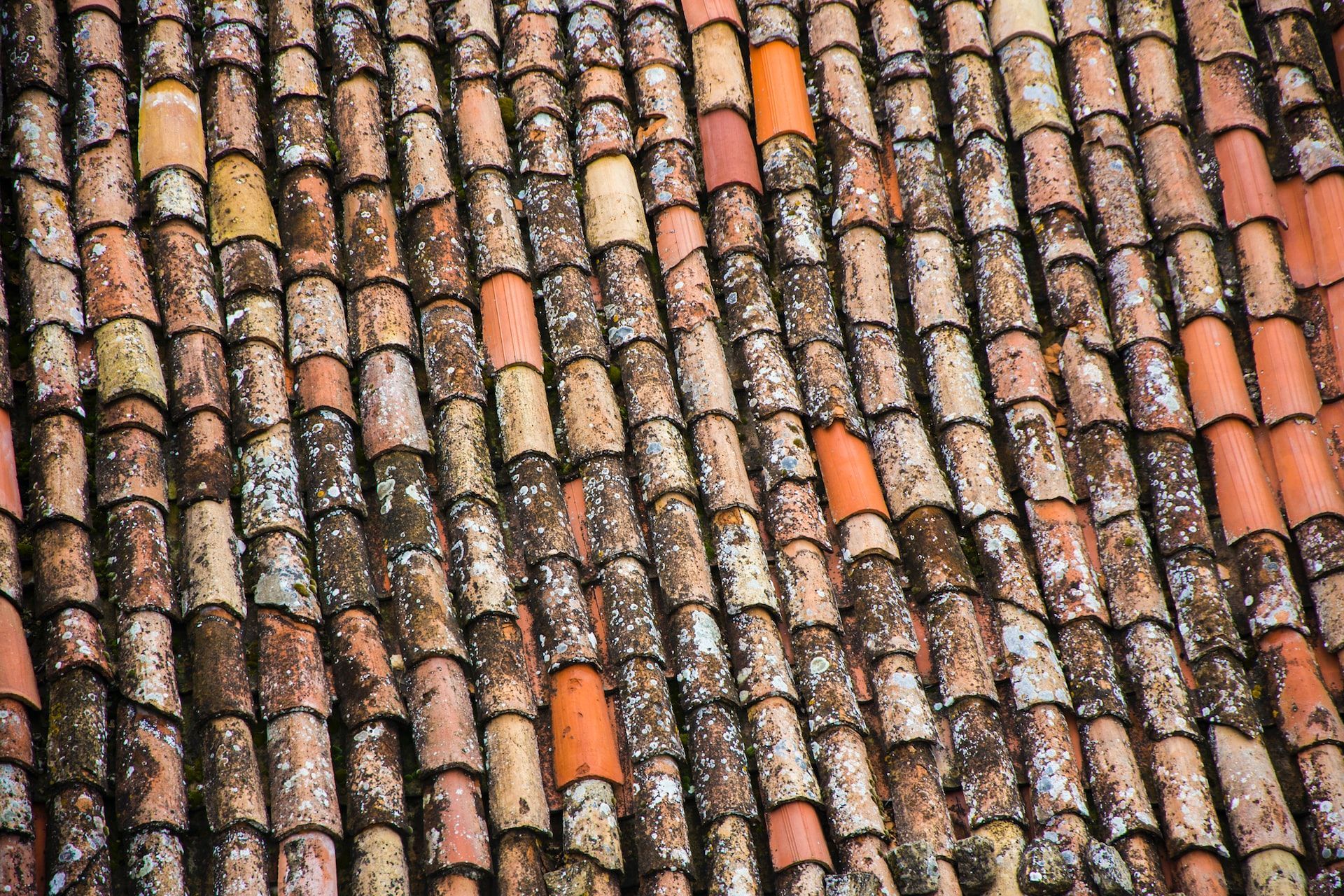
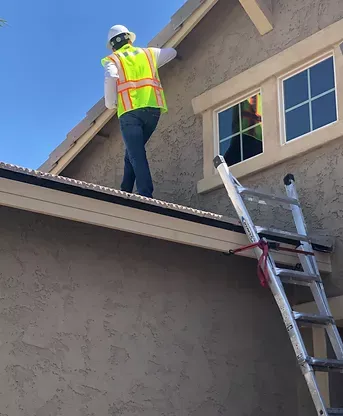
After a storm, homeowners should inspect their roofs for potential damage. Climbing up to the roof is not advised, so it is best to try and assess any damage from the ground level. Rain alone is usually not enough to cause harm to a roof, but the combination of wind, debris, and hail can cause harm to a roof structure. Sometimes it is easy to spot roof damage, but it is wise to take time and look closely to identify any damage that may be difficult to spot.
Here are some of the common signs of storm and wind damage on your roof:
Dented or Cracked Shingles
Hail can cause damage to your roof by knocking off or damaging shingles. If you suspect hail damage, you should look for signs of round dents or cracks that could indicate the impact of hail and may require the replacement of the shingles.
Missing Shingles
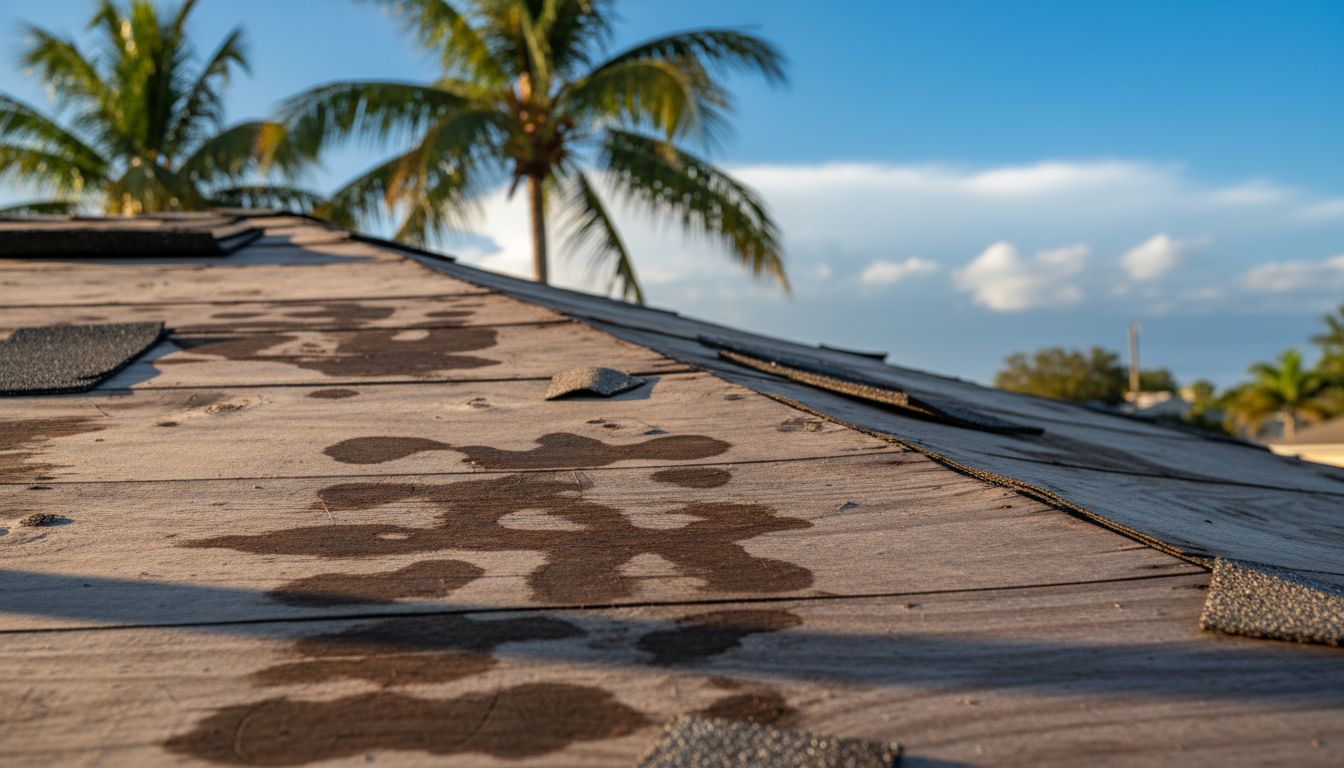
If your roof has cracks or sections that have peeled away, it will likely be in danger of being blown away when the wind picks up beyond sixty miles an hour. Manufacturers of roofing materials typically include some protection against high winds in their warranty, however, this protection is only valid for roofs in good condition.
Loose Debris
If you notice any pieces of trash or clutter around your house, such as leaves, outdoor furniture, or other objects, it might mean that something hit your roof during a windstorm. Take care of the mess as quickly as possible to reduce the chances of any damage, and look for signs of broken shingles to figure out what kind of impact the wind had.
Visible Granule Loss
Granules are normal to come off a new roof, especially after a storm. These granules often appear in straight, horizontal lines, which shows a breach in the seal of the shingle. As the shingles move in the wind, they can rub up against other surfaces and cause the granules to come off.
Clogged or Broken Gutters and Downspouts
After a storm, inspecting and cleaning out your gutters and downspouts is important. Make sure they are not bent or dislodged, as this could prevent water from draining properly. If water cannot flow away from the building, it could seep into the foundation and eventually cause the structure to become unstable and unsafe. After a storm, cleaning your gutters should be done as soon as possible.
Visible Water Infiltration
Wind damage can cause major damage to the roof of a building. When shingles and the roof underlayment are weakened, water can seep in and cause leaks in the ceiling. This can result in flooding in the attic or upper rooms of the building.
Ice Dams
Regularly maintaining shingle roofs is essential to avoid the risk of ice dams. As the snow melts, the water can't escape the roof and instead freezes, forming a ridge of ice along the eaves. If left unchecked, this can cause water to back up and leak into the home, leading to costly repairs. Identifying and addressing any ice dams before they cause extensive damage is important. Doing so can help ensure your roof remains in good condition and free from water damage.
Conclusion
Awareness of storm and wind damage signs on a roof is important. Knowing these signs can help homeowners identify potential problems and take the necessary steps to repair or replace the roof. If a homeowner notices these signs, they should contact a professional roofer for a professional inspection and repair as soon as possible to prevent further damage.
Four Peaks Roofing is a local, family-owned roofing contractor serving Cape Coral, Fort Myers, Naples, Punta Gorda. We are licensed and insured and hold over 30 years of combined experience servicing commercial, residential, and multi-tenant units. If you need
roofers in Fort Myers, get in touch with us! Let us know how we can help.