The Impact of Roofing on Home Insulation in Florida
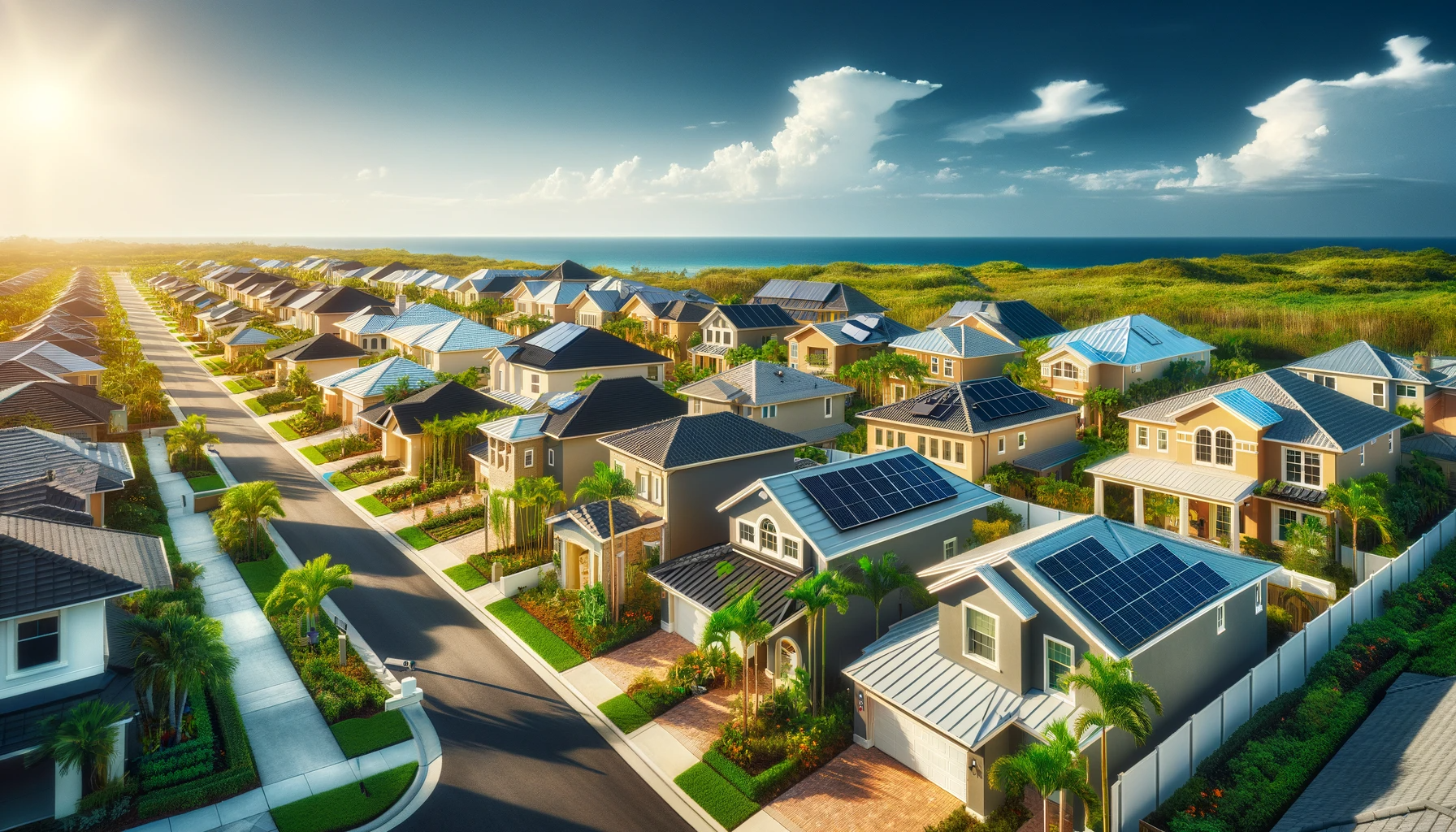
In the balmy climate of Florida, homeowners often grapple with the challenge of keeping their homes cool and comfortable, particularly during the sweltering summer months. What many may not realize is that the choice of roofing plays a crucial role in this endeavor. The right roofing material and design can significantly affect a home’s insulation, thereby impacting both indoor temperature regulation and energy efficiency.
Understanding the Role of Roofing in Insulation
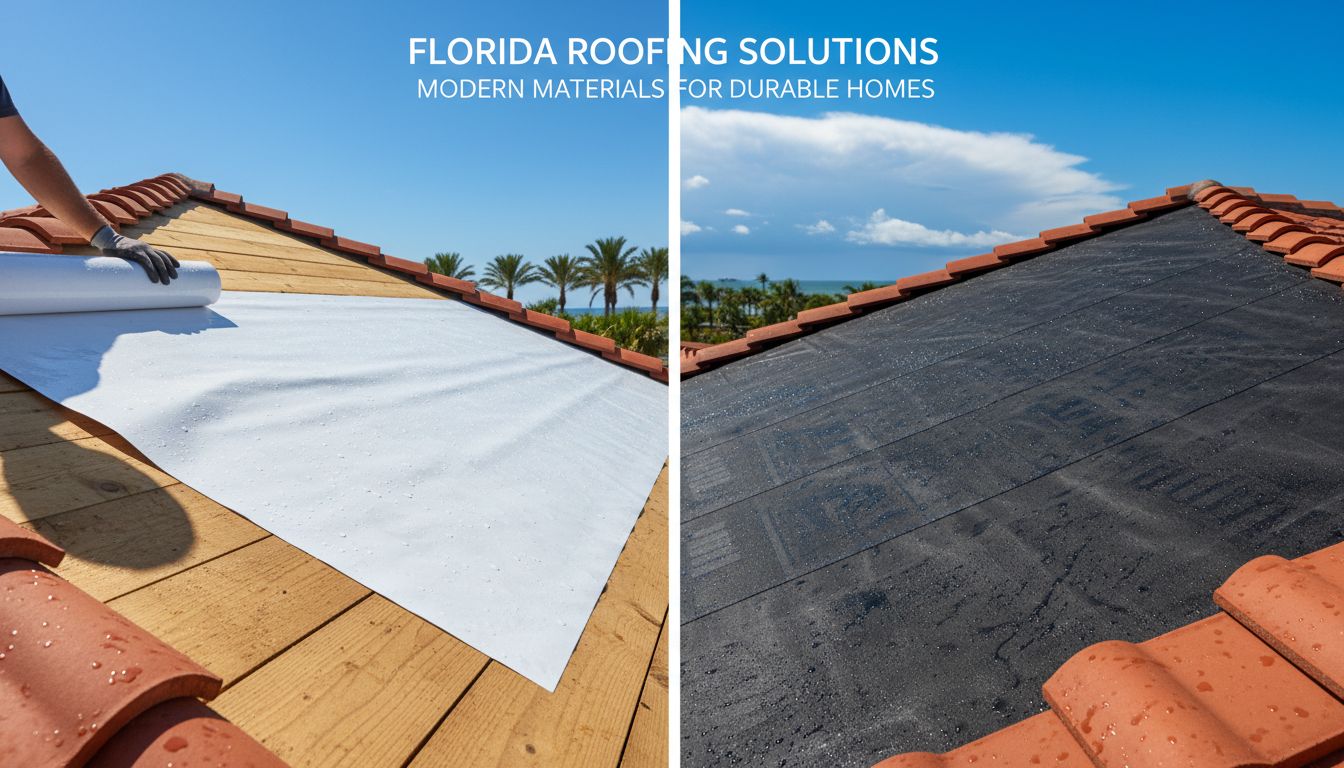
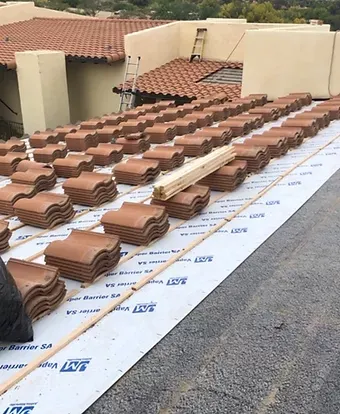
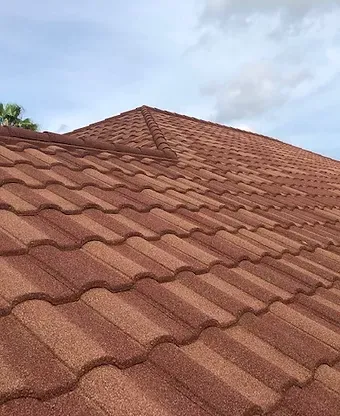
Roofing materials act as the first line of defense against the sun's intense rays, which are particularly strong in places like Cape Coral, Florida. The ability of these materials to reflect sunlight and resist heat absorption directly influences the amount of heat transferred into the home. This is where the concept of 'thermal mass' comes in. Materials with high thermal mass, such as clay or concrete tiles, absorb and retain heat, slowly releasing it over time. While beneficial in cooler climates, in Florida, this can lead to increased indoor temperatures and higher air conditioning costs.
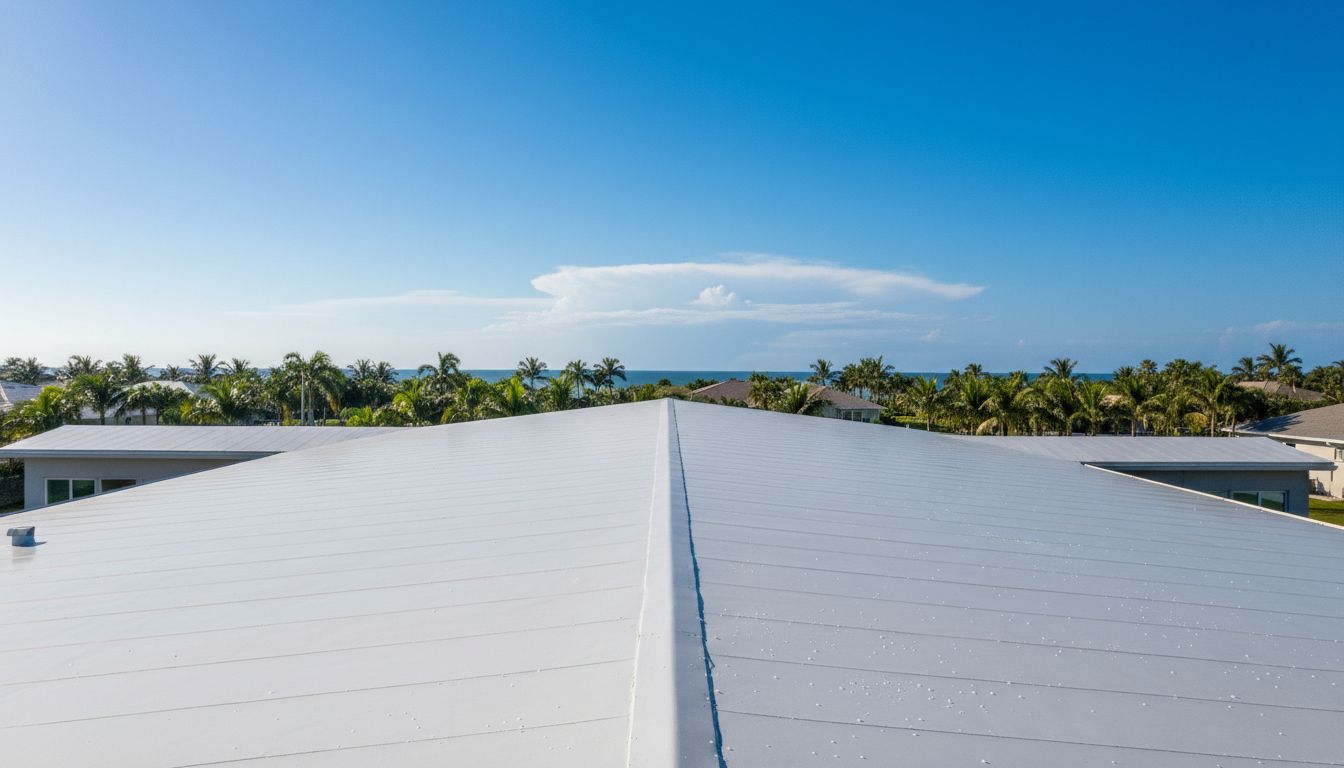
Conversely, materials like metal, certain shingles, or even specialized reflective tiles, are designed to reflect more sunlight and absorb less heat, helping to maintain a cooler roof and, by extension, a cooler home. Moreover, innovations in roofing technology have led to the development of 'cool roofs,' designed with materials that can reflect more sunlight and absorb less heat than a standard roof.
Energy Efficiency and Cost Savings
The impact of a well-insulated roof on a home's energy efficiency cannot be overstated. A roof that reflects sunlight and reduces heat absorption keeps indoor temperatures more stable. This means less reliance on air conditioning systems, leading to lower energy consumption and, consequently, reduced utility bills. In the long run, investing in an energy-efficient roofing system can yield substantial cost savings for homeowners.
Choosing the Right Roofing for Florida Homes
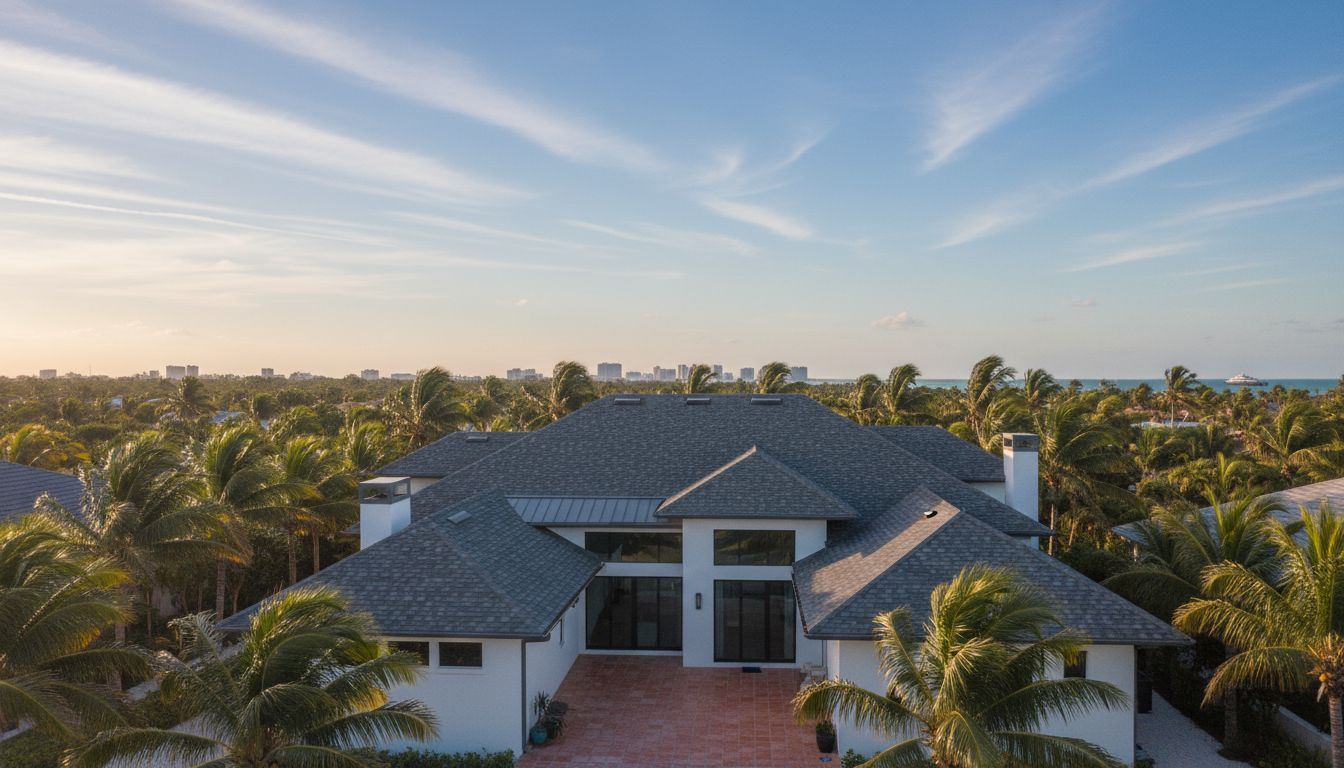
When selecting roofing materials for a Florida home, it’s essential to consider factors like color, material, and overall design. Lighter colored roofs tend to reflect more sunlight than darker ones. Materials like metal, slate, or tiles coated with reflective paint are excellent choices for reducing heat absorption. Additionally, the design of the roof, including aspects like ventilation and insulation, plays a significant role. Proper ventilation allows for better air circulation, helping to reduce heat accumulation in the attic and throughout the home.
The Role of Insulation and Ventilation
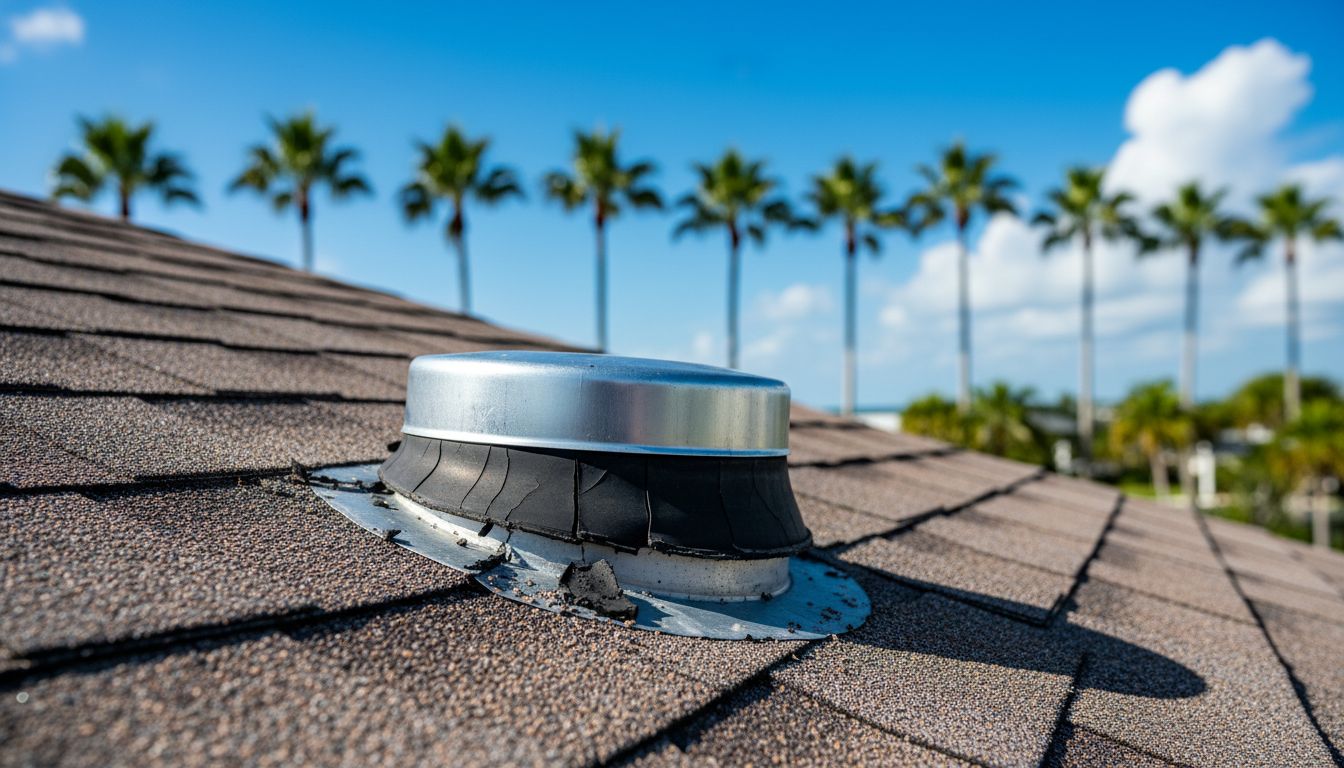
Insulation and ventilation work hand in hand with the roofing material to optimize a home’s temperature control. Adequate insulation in the attic or under the roof lining can significantly reduce heat transfer into the home. Ventilation systems, such as ridge vents or attic fans, help expel hot air, keeping the attic and the rest of the home cooler.
Environmental Considerations
Beyond personal comfort and cost savings, choosing an energy-efficient roofing system has broader environmental implications. Reducing energy consumption means less demand on power plants, which often rely on fossil fuels. This, in turn, leads to lower greenhouse gas emissions, contributing to the fight against climate change. In a state like Florida, where the effects of climate change are increasingly palpable, making eco-friendly choices in home construction and renovation is not just a personal benefit but a global responsibility.
Conclusion
In conclusion, the choice of roofing material and design plays a pivotal role in home insulation, especially in a warm climate like Florida's. By selecting materials that enhance energy efficiency, homeowners can enjoy a cooler living environment, lower energy costs, and contribute to a healthier planet. As roofing technologies continue to evolve, the possibilities for efficient, eco-friendly roofing options expand, offering Florida homeowners a chance to make a significant impact both on their homes and the environment.