
Handling Roof Damage After a Storm: A Step-By-Step Guide
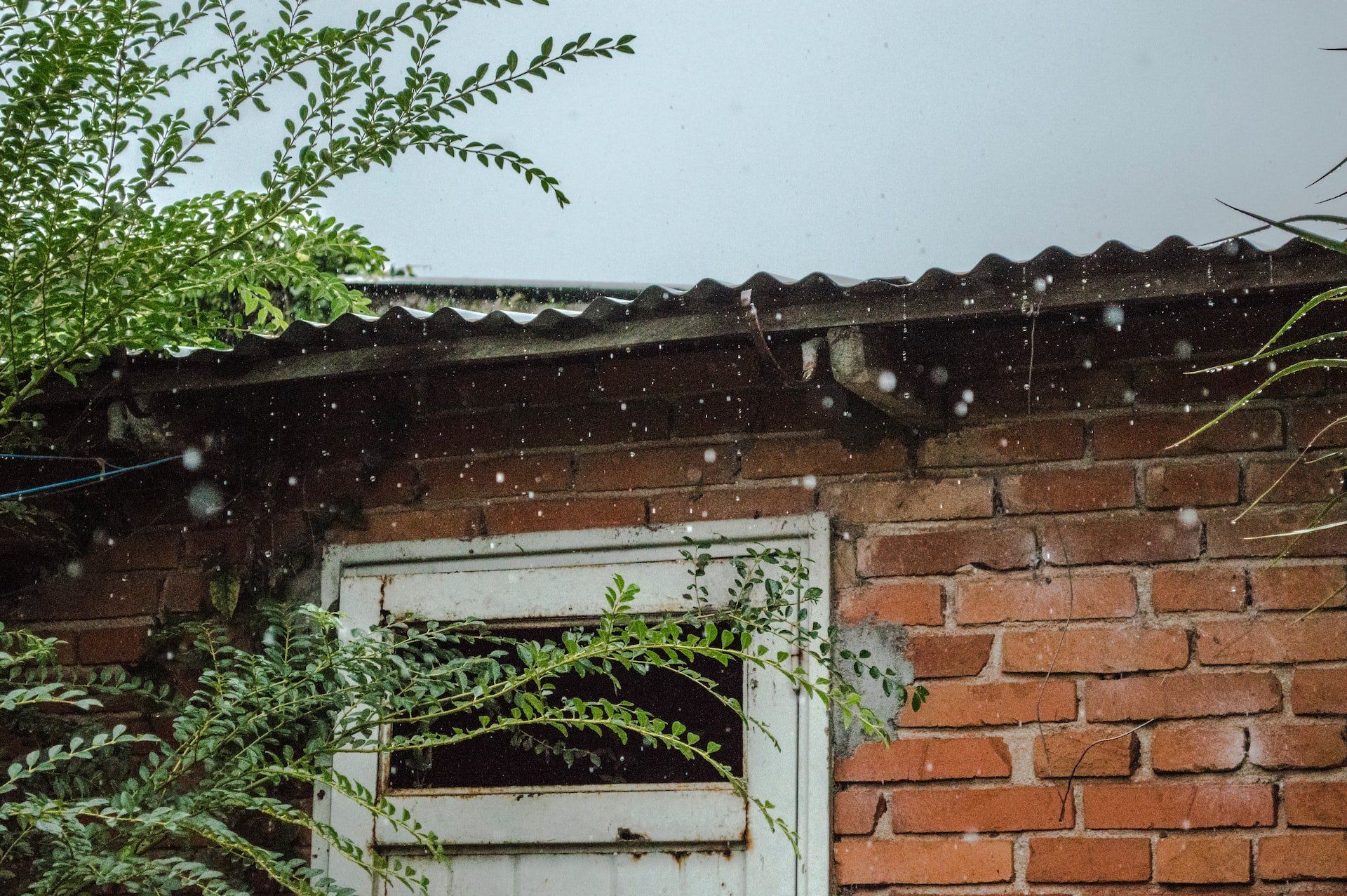
When a storm hits, it can often damage your home exterior, especially the roof. High winds can tear parts of the roof off, or a tree may fall on the roof. Ice, hail, heavy rain, and wind can all cause serious damage to the roof. If this happens, it is important to know how to deal with storm damage.
First things first: your safety should always be a priority, so if you see damage to your roof, make sure you are in a place where it is safe to assess the situation. If you are inside, don’t leave to inspect the damage until it is safe to do so. If you are outside and you see a tree that appears to be precariously perched on your roof, don’t go near it. After a storm, you may have to wait a while before you can assess the damage to your roof.
If your roof suffers storm damage, there are a few things you need to do to get it repaired and prevent further damage.
1. Assess the Damage
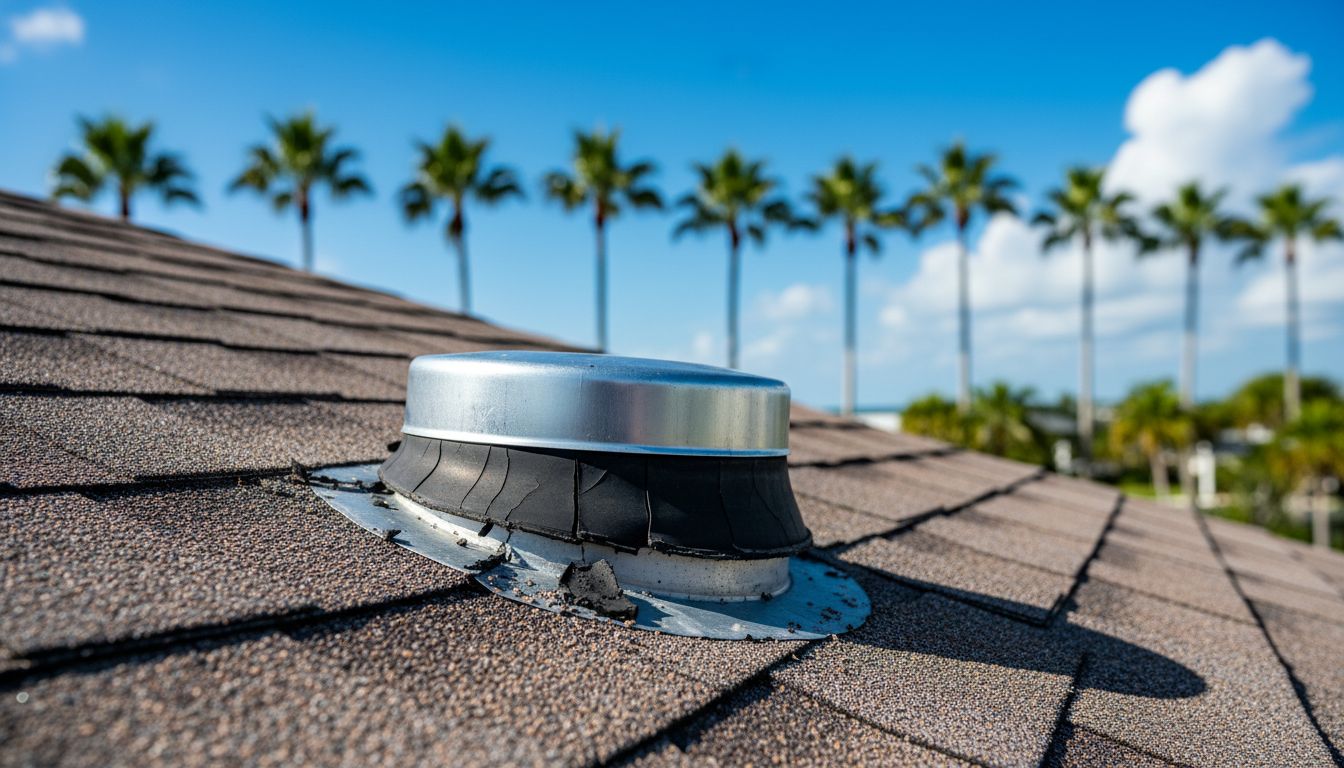
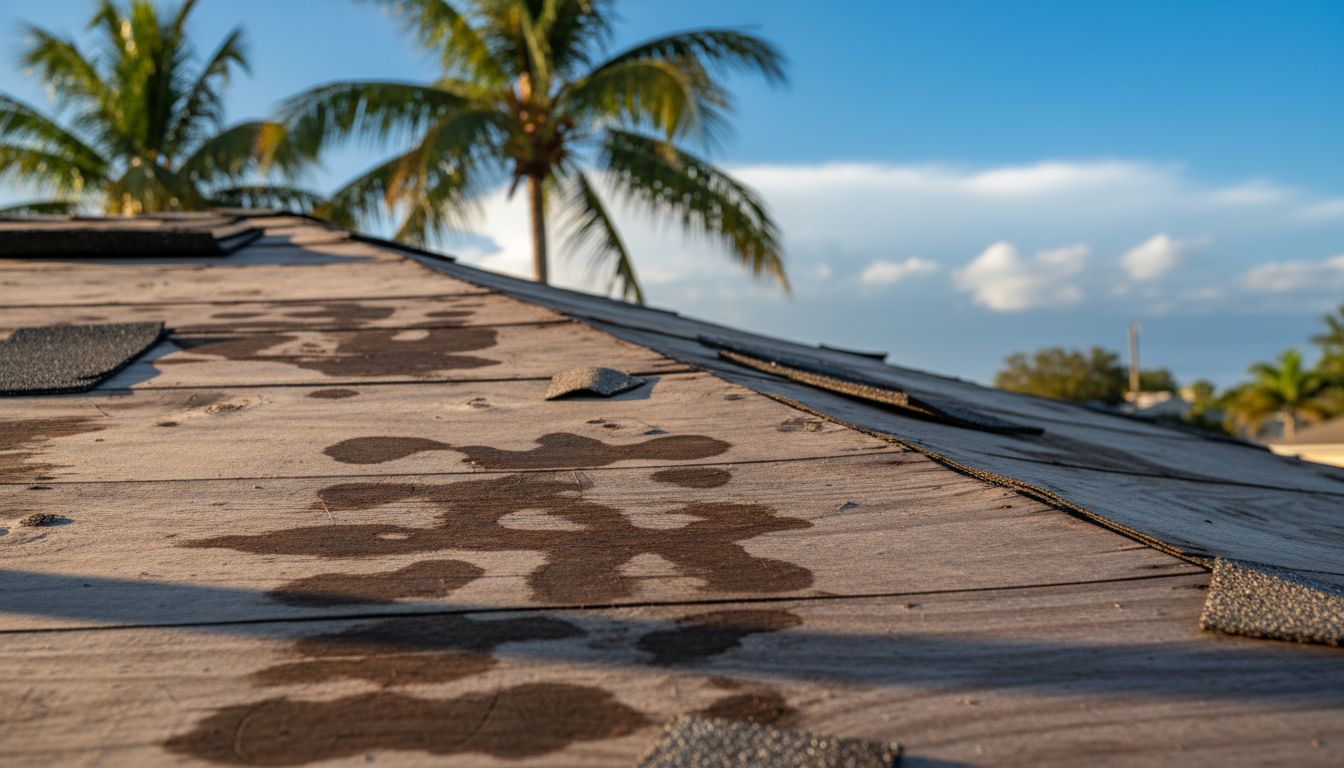
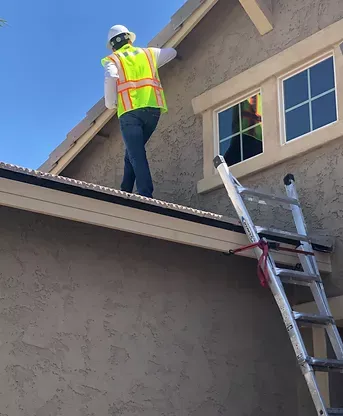
The first thing you need to do is assess the damage to your roof. This will help you determine the extent of the repairs that need to be made. Take a look at the entire roof, both from the ground and from atop a ladder, if possible. Look for missing shingles, damaged flashing, and any other signs of damage. If you can’t see any damage from the ground or from atop a ladder, you may need to get on the roof itself to take a closer look.
2. Make Temporary Fixes to Minimize Damage
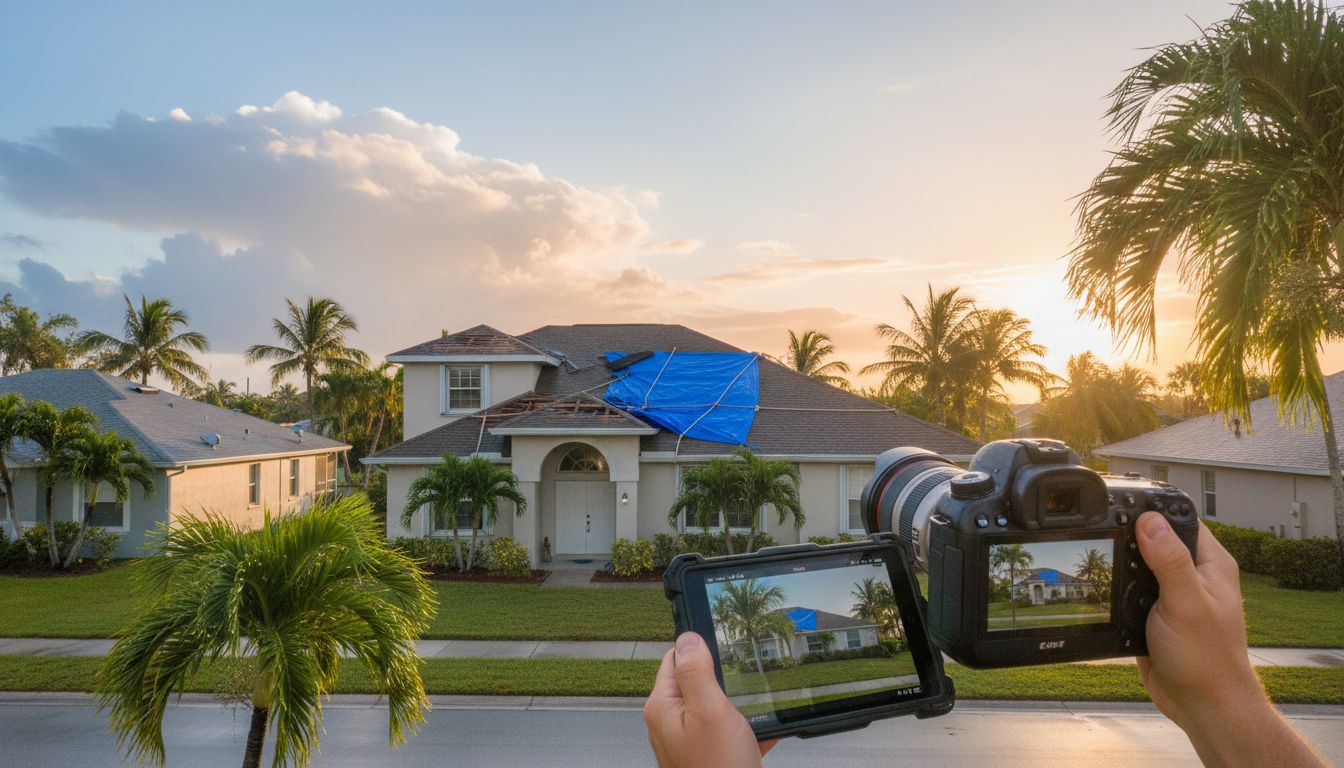
Once you’ve assessed the damage, it’s important to make some temporary repairs to minimize further damage. If there are any missing shingles, try to cover the area with a tarp or some other type of waterproof material. This will help prevent water from getting into your home and causing additional damage.
3. Call Your Insurance Company
If the damage to your roof is extensive, you’ll need to call your insurance company to file a claim. Be sure to have all of the necessary information on hand, such as your policy number and the date of the storm.
4. Get Estimates From Roofing Contractors for the Repairs
Once you’ve filed a claim with your insurance company, you’ll need to get estimates from roofing contractors for the repairs. Be sure to get multiple estimates to compare prices and find the best deal.
5. Take Steps to Prevent Future Damage
Once your roof has been repaired, it’s important to take steps to prevent future damage. This may include installing a new roof, adding additional support, or making other changes to your home.
6. Regularly Inspect Your Roof
It’s also a good idea to regularly inspect your roof, even if there hasn’t been a storm, to ensure that there is no damage.
Conclusion
It's important to take storm damage to your roof seriously and take steps to repair it as soon as possible. Water can seep into your home through damaged roofing, causing serious damage to your home's structure, and mold can quickly grow in damp conditions. If you have insurance, contact your provider as soon as possible to start the claims process. If you need to repair your roof yourself, be sure to take proper safety precautions, such as wearing gloves, a respirator, and eye protection, and be sure to follow the manufacturer's instructions for the roofing materials you use.
If you are seeking a
roofing company in Cape Coral, you can contact us at Four Peaks Roofing. Depending on your need, we can repair or replace your roof for a good price. Trust your roofing needs to our licensed and insured team at Four Peaks Roofing.